
If you’re thinking about straightening your teeth, you’re not alone. Millions of people choose orthodontic treatment every year to improve their smiles and their oral health. Today, you have more choices than ever before. The two most common options are clear aligners and traditional braces.
Clear aligners have become very popular in recent years. You’ve probably seen friends, coworkers, or even celebrities wearing nearly invisible trays instead of metal brackets and wires. At the same time, traditional braces are still widely used and trusted by orthodontists around the world.
At PureSmile in Shanghai, China, patients often ask the same question: Which option is better for me?
This guide is for teens, adults, and parents who want to understand the difference between clear aligners and braces. We’ll explain how each option works, who they’re best for, and what you can expect during treatment—so you can make a smart choice for your smile.
What Are Clear Aligners?
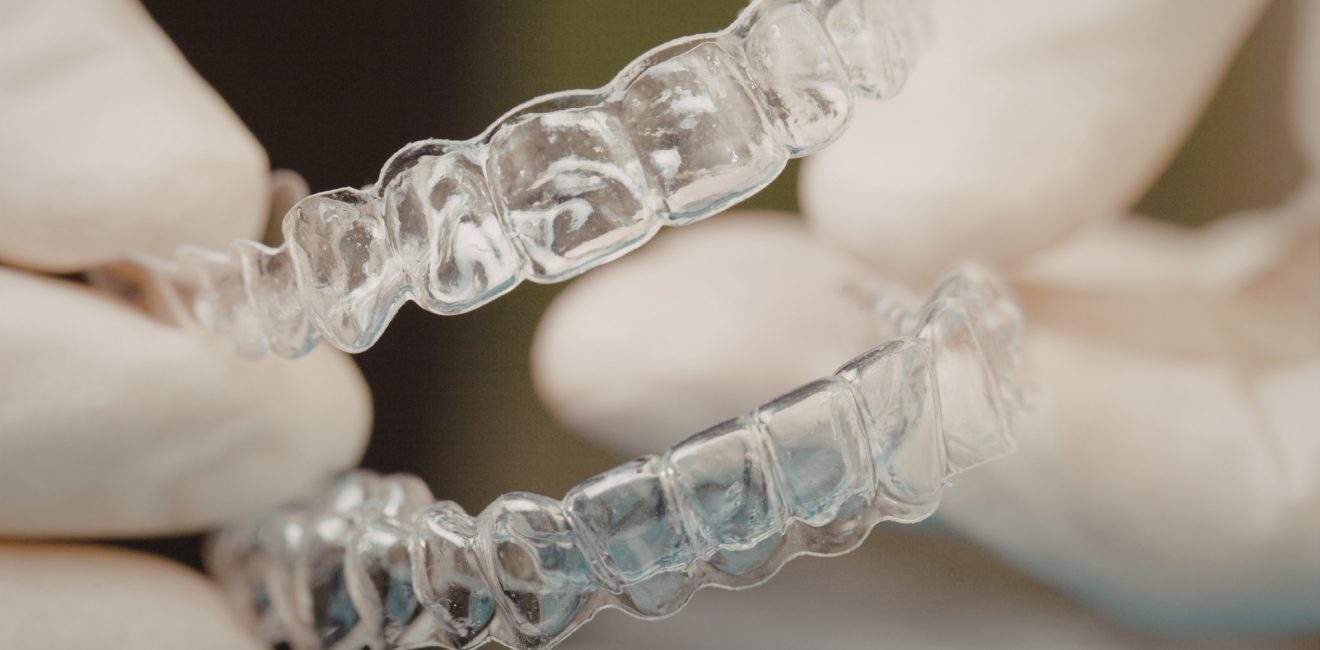
Clear aligners are thin, clear plastic trays that fit over your teeth. A well-known example is Invisalign, though there are other brands available as well.
How They Work
Clear aligners gently move your teeth into place over time. Instead of using brackets and wires, they use a series of custom-made trays. Each set of trays is worn for about 1–2 weeks before switching to the next set.
Each new tray makes small adjustments to the position of your teeth. Over several months, those small movements add up to a straighter smile.
At PureSmile, patients begin with a full evaluation to determine if aligners are the right fit for their dental needs.
Custom Trays & Digital Scanning
The process usually starts with digital scanning. Instead of messy molds, your dentist or orthodontist uses a small scanner to create a 3D image of your teeth. This digital model helps design a treatment plan that shows how your teeth will move step by step.
Your aligners are then custom-made to fit your mouth perfectly.
At PureSmile in Shanghai, modern digital scanning technology helps patients see a preview of their future smile before treatment even begins. This makes the process easier to understand and more exciting.
Ideal Candidates
Clear aligners work best for:
- Mild to moderate crowding
- Small gaps between teeth
- Minor bite issues
- Teens and adults who can follow instructions
Because aligners are removable, they require responsibility. You must wear them 20–22 hours a day for them to work properly.
What Are Traditional Braces?
Traditional braces use metal or ceramic brackets that are attached to the front of your teeth. These brackets are connected by a thin wire, which is adjusted over time to move your teeth.
Braces have been used for over 100 years and are still one of the most effective ways to correct complex dental problems.
Metal vs Ceramic Braces
There are two common types of traditional braces:
- Metal braces – Made of stainless steel. These are strong and often the most affordable option.
- Ceramic braces – Made with tooth-colored or clear brackets. They are less noticeable but may cost more.
Both types work in similar ways. At PureSmile, patients are guided through the pros and cons of each type so they can choose what fits their lifestyle and goals.
How Brackets and Wires Move Teeth
The brackets are glued to your teeth. A wire runs through them and applies steady pressure. During adjustment visits, your orthodontist tightens or changes the wire to continue moving your teeth.
This steady pressure slowly shifts teeth into better alignment.
Ideal Cases
Braces are often recommended for:
- Severe crowding
- Major bite problems (overbite, underbite, crossbite)
- Complex tooth rotations
- Younger children and teens
Braces can handle more complicated cases because they are fixed in place and provide constant force.
Clear Aligners vs Braces: Side-by-Side Comparison
Let’s compare the two options in simple terms.
Appearance
Clear aligners are nearly invisible. Most people won’t notice you’re wearing them unless they look closely.
Traditional metal braces are more visible. Ceramic braces are less noticeable but still not completely hidden.
For many adult patients at PureSmile in Shanghai, appearance plays a big role in choosing aligners.
Winner for appearance: Clear aligners.
Comfort
Clear aligners are smooth plastic and do not have sharp edges. They may feel tight when you switch trays, but they usually cause less irritation.
Braces can sometimes poke the inside of your cheeks or lips. After adjustments, you may feel soreness for a few days.
Both options can cause mild discomfort at first, but this usually improves.
Winner for comfort: Slight edge to clear aligners.
Treatment Time
Treatment time depends on how complex your case is.
- Mild cases with aligners: 6–12 months
- Moderate to severe cases with braces: 18–24 months (or longer)
In simple cases, aligners and braces may take about the same amount of time. In complex cases, braces may work more efficiently.
At PureSmile, treatment timelines are carefully planned to balance speed with safe, healthy tooth movement.
Winner for speed: It depends on your case.
Oral Hygiene
Clear aligners are removable. You take them out to brush and floss, making it easier to keep your teeth clean.
With braces, brushing and flossing can be more challenging. Food can get stuck around brackets and wires, so extra care is needed.
Dentists at PureSmile often remind patients that good oral hygiene is important no matter which option they choose.
Winner for oral hygiene: Clear aligners.
Cost
The cost varies based on your location and how complex your treatment is.
- Clear aligners often range from moderate to high cost.
- Traditional metal braces are usually similar in price or slightly less expensive.
- Ceramic braces may cost more than metal braces.
At PureSmile in Shanghai, patients receive a clear breakdown of costs before starting treatment, so there are no surprises.
Winner for affordability: Often traditional metal braces, but it depends on your treatment plan.
Food Restrictions
With clear aligners, you remove them before eating. This means you can eat almost anything—just brush before putting them back in.
With braces, you need to avoid hard, sticky, or chewy foods. Things like popcorn, gum, and hard candy can damage brackets and wires.
Winner for food freedom: Clear aligners.
Who Is a Good Candidate for Clear Aligners?
Clear aligners are a great choice if you:
- Have mild to moderate crowding
- Have small gaps between teeth
- Are a teen or adult
- Can wear aligners 20–22 hours per day
Commitment is key. If you forget to wear your aligners or remove them too often, your teeth may not move as planned. This can delay your treatment.
Many working professionals and university students in Shanghai choose aligners at PureSmile because they are discreet and fit easily into busy lifestyles.
When Are Braces a Better Option?
Braces may be better if you have:
- Severe bite problems
- Large gaps or extreme crowding
- Teeth that are rotated significantly
- Complex jaw alignment issues
Braces are also often recommended for younger patients. Kids and some teens may not be ready to wear removable aligners responsibly.
Because braces stay on your teeth, they work 24 hours a day without needing reminders.
Frequently Asked Questions
Are clear aligners painful?
Clear aligners are not usually painful, but they can cause mild soreness when you switch to a new set. This means they are working. The discomfort usually lasts a few days and can often be managed with over-the-counter pain relievers.
Braces can also cause soreness after adjustments. Both treatments involve moving teeth, so some pressure is normal.
Do aligners work as fast as braces?
In mild cases, clear aligners can work just as fast as braces. In more complex cases, braces may move teeth more efficiently because they offer more control.
The best way to know is through a consultation at PureSmile, where your dental team can evaluate your specific needs.
Are aligners more expensive?
Clear aligners can sometimes cost slightly more than metal braces, especially in complicated cases. However, prices often overlap.
Your total cost depends on:
- How long treatment lasts
- How complex your case is
- Insurance coverage
At PureSmile in Shanghai, patients receive personalized treatment plans designed to fit both their dental needs and their budget.
Schedule a Clear Aligner Consultation
Choosing between clear aligners and traditional braces is a personal decision. Both options are safe and effective. The “better” choice depends on your dental needs, lifestyle, and commitment level.
At PureSmile in Shanghai, China, every patient receives a personalized evaluation. During your consultation, the dental team will:
- Examine your teeth and bite
- Take digital scans or X-rays
- Discuss your goals
- Recommend the most suitable treatment
Every smile is different. A customized plan ensures you get the right solution—not just the most popular one.
If you’re ready to improve your smile, schedule a consultation with PureSmile today and find out which orthodontic option is right for you. A straighter, healthier smile may be closer than you think.


