
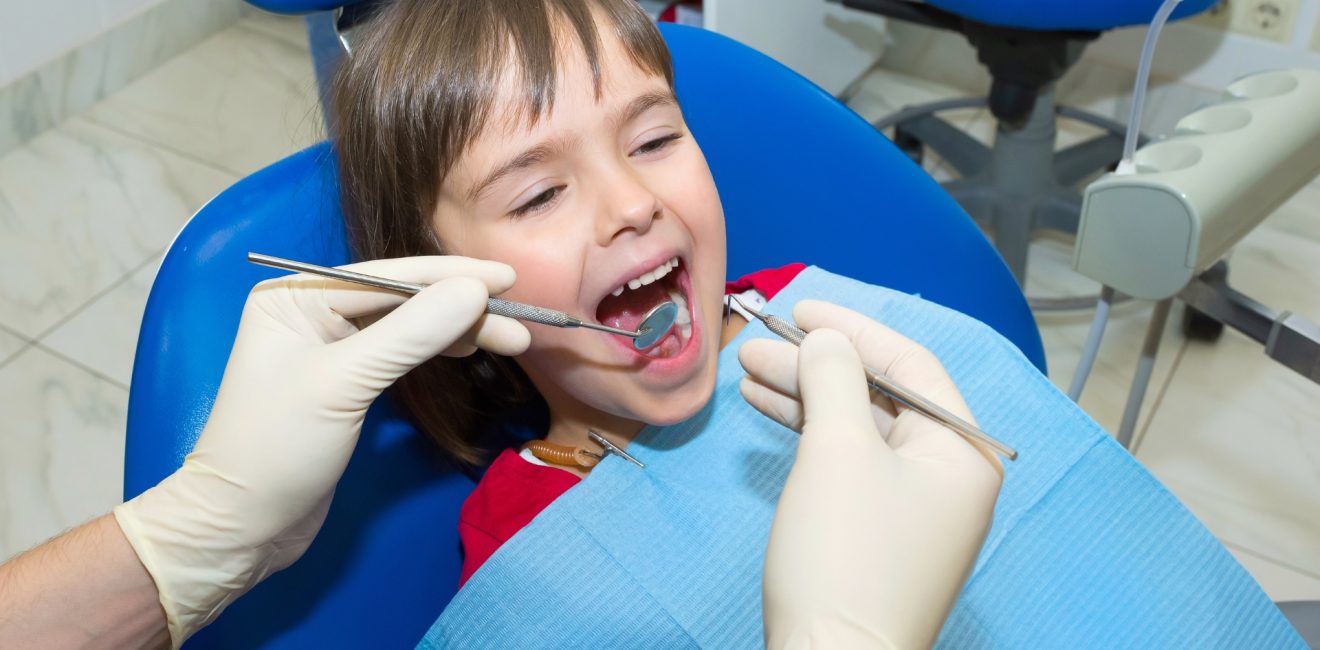
Cavities are the most common chronic childhood disease worldwide. Many parents are surprised to learn that tooth decay is even more common than asthma in children.
The good news? Cavities are largely preventable.
At PureSmile in Shanghai, China, we often remind parents that prevention is much easier—and less stressful—than treatment. With the right habits at home and regular dental visits, you can protect your child’s smile for years to come.
Here’s a simple, step-by-step guide to preventing cavities in kids.
Establish Good Brushing Habits Early
Healthy smiles start early—sometimes even before the first tooth appears.
When to Start Brushing
You should begin cleaning your baby’s mouth even before teeth come in. Use a soft, damp cloth to gently wipe the gums after feedings.
Once the first tooth appears, start brushing twice a day with a soft-bristled toothbrush.
Brushing should continue twice daily—morning and night—as your child grows.
Correct Toothpaste Amount by Age
Using the right amount of fluoride toothpaste is important:
- Under age 3: Use a smear the size of a grain of rice
- Ages 3–6: Use a pea-sized amount
- Age 6 and up: Continue with a pea-sized amount
Children usually need help brushing until around age 7–8. Even if they want to brush on their own, parents should supervise to ensure all areas are cleaned properly.
At PureSmile, we teach parents and children proper brushing techniques to make home care easier and more effective.
Limit Sugary Drinks and Snacks
Sugar is one of the biggest causes of cavities.
When children eat sugary foods, bacteria in the mouth produce acid. This acid attacks tooth enamel and causes decay.
Hidden Sugars
Some foods and drinks that seem healthy may contain hidden sugars, including:
- Fruit juices
- Flavored milk
- Yogurt with added sugar
- Packaged snacks
Sticky candies and dried fruits are especially harmful because they cling to teeth longer.
Healthy Alternatives
Choose tooth-friendly snacks like:
- Fresh fruits
- Vegetables
- Cheese
- Nuts (if age-appropriate)
- Plain yogurt
Water is the best drink between meals. It helps rinse away food particles and keeps the mouth hydrated.
Reducing sugar frequency—not just the amount—can greatly lower cavity risk.
The Role of Fluoride in Preventing Cavities
Fluoride is a natural mineral that strengthens tooth enamel and helps prevent decay.
Fluoride Toothpaste
Using fluoride toothpaste twice daily is one of the most effective ways to protect your child’s teeth.
Fluoride helps:
- Strengthen enamel
- Repair early signs of decay
- Make teeth more resistant to acid attacks
Make sure your child spits out toothpaste after brushing and avoids swallowing it.
Professional Fluoride Treatments
During dental visits, your child’s dentist may recommend fluoride treatments. These are safe, quick, and provide extra protection—especially for children at higher risk of cavities.
At PureSmile in Shanghai, fluoride treatments are carefully applied based on your child’s age and needs.
Dental Sealants: Extra Protection for Molars
Even with good brushing, some areas of the mouth are harder to clean—especially the back teeth.
What Sealants Are
Dental sealants are thin protective coatings placed on the chewing surfaces of molars. These teeth have deep grooves where food and bacteria can hide.
Sealants act like a shield, preventing cavities from forming in those grooves.
Ideal Age for Placement
Sealants are usually recommended:
- Around age 6 (when first permanent molars appear)
- Around age 12 (when second molars come in)
The process is painless and quick. It can significantly reduce the risk of cavities in molars.
Make Dental Visits Positive
Dental visits should feel safe and encouraging—not scary.
When children have positive experiences at the dentist, they are more likely to continue good oral habits as they grow.
Building Confidence
Start dental visits early and maintain regular checkups every six months. This helps children become familiar with the environment and the dental team.
At PureSmile, we focus on gentle care and clear communication to help children feel comfortable.
Avoiding Dental Anxiety
Parents can help by:
- Speaking positively about the dentist
- Avoiding scary words like “pain” or “shot”
- Reading children’s books about dental visits
A calm and reassuring attitude from parents makes a big difference.
Warning Signs of Cavities in Children
Even with good prevention, it’s important to watch for early signs of tooth decay.
White Spots
Chalky white spots near the gumline may be the first sign of enamel weakening.
Sensitivity
If your child complains of pain when eating cold, hot, or sweet foods, it could indicate a cavity.
Bad Breath
Persistent bad breath may be a sign of bacterial buildup or decay.
If you notice any of these signs, schedule a dental visit as soon as possible. Early treatment prevents more serious problems.
Book a Pediatric Dental Checkup
Preventing cavities is a team effort between parents and dental professionals.
By:
- Establishing strong brushing habits
- Limiting sugar
- Using fluoride
- Considering dental sealants
- Scheduling regular checkups
—you can greatly reduce your child’s risk of tooth decay.
At PureSmile in Shanghai, China, we are committed to preventive pediatric dental care. Our team works closely with families to create personalized care plans that protect children’s smiles at every stage of development.
If your child is due for a checkup—or if you simply want guidance on cavity prevention—schedule an appointment today.
A healthy smile starts with simple daily habits—and the right support along the way.


