
You probably remember someone in your class with big metal braces—or maybe that was you. I once watched my niece choose between clear aligners and colorful brackets and realized how confusing the choices can feel. This short guide cuts through the marketing noise so you can understand orthodontic treatment options, when to start, what to expect, and how clinics like PureSmile in Shanghai use modern tools to deliver efficient, comfortable care.
Why Fix a Bad Bite? (Health Before Vanity)
Proper jaw alignment matters more than you think
You might look in the mirror and see “straight” teeth, yet still have improper jaw alignment. When your upper and lower jaws don’t fit together well, your bite can strain your teeth and muscles. Proper jaw alignment supports comfortable chewing, clearer speech, and steadier long-term dental function—not just a nicer smile.
The oral health risks of leaving malocclusion untreated
A “bad bite” (malocclusion) can mean crowded or crooked teeth, or jaws that don’t line up. If you ignore it, you may face growing oral health risks over time, including:
- Tooth decay (hard-to-clean areas trap plaque)
- Gum disease
- Abnormal wear to tooth enamel
- Tooth loss
- Speech and chewing problems
- Jaw problems from uneven pressure
Why bites go “off” in the first place
Jaw or tooth alignment issues can be inherited, but they can also develop after an injury. They may also be linked to early or late loss of baby teeth or adult teeth, which can shift spacing. Childhood habits like thumbsucking can change how the jaws and teeth meet, especially during growth.
Early detection helps you get better results
Abnormal bites often become noticeable between ages 6–12. If you monitor changes early, you can often guide growth and reduce future problems. Many people begin care between ages 8–14, but you can still explore orthodontic treatment options as an adult if your teeth and gums are healthy.
Your Treatment Choices: Braces, Aligners, and Hybrids
Traditional braces (classic and reliable)
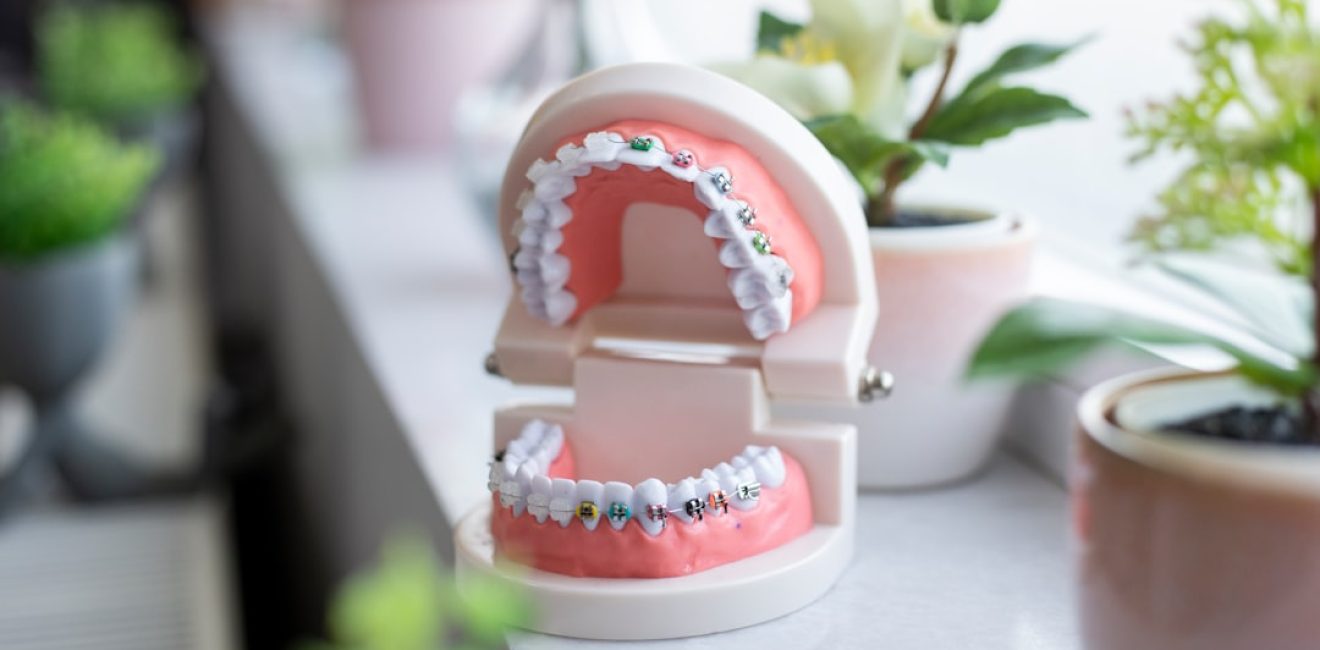
Traditional braces move teeth using brackets bonded to your teeth and an archwire that your provider adjusts over time. You can choose from metal, tooth-colored, or even behind-the-teeth placements for less visibility. These stylish braces options still use the same idea: gentle pressure that guides teeth and sometimes jaw alignment into a healthier bite.
Most plans run about 1–3 years, and you’ll usually need a retainer after active treatment to hold your results.
Clear aligners (removable and discreet)
Clear aligners are popular with teens and adults because they’re hard to notice and you can remove them to eat and brush. Options like Invisalign Teens and other customized aligners are made to fit your teeth closely, which can improve comfort and satisfaction. The key is discipline: you need to wear them as directed and stay under professional supervision for safe, steady progress.
Hybrids and specialty systems (speed + flexibility)
If you want efficiency or have a more complex bite, your orthodontist may suggest a hybrid plan or a specialty bracket system:
- Damon system (including Damon Clear): a low-friction, self-ligating design that supports smoother movement and is often linked with faster treatment for some cases.
- Iconix and other self-ligating brackets: fewer ties, easier cleaning, and a more streamlined look.
- Hybrid treatment: braces for tough movements, then aligners for finishing—useful for many adult braces plans.
Technology & 2026 AAO Guidelines: How Care Is Changing
3D imaging and digital scanning for clearer diagnosis
The 2026 AAO guidelines put more focus on imaging upgrades, because bite problems are not just about “crooked teeth”—they can involve roots, jaw position, and bone. For certain cases, 3D imaging like CBCT is favored over basic 2D X-rays so your orthodontist can see teeth, roots, and jawbone structure more clearly.
Digital scanning (intraoral scans) is now a core step in modern treatment planning. Instead of messy impressions, a quick scan creates a precise 3D model that helps design braces or aligners with better fit and more predictable tooth movement.
AI algorithms + remote monitoring for customized care
With today’s software, AI algorithms can help map tooth movement, flag tracking issues, and support more personalized treatment planning—especially helpful when your bite is complex or when you’re using removable aligners under direct professional supervision.
Remote monitoring tools (photos or scan-based check-ins) can reduce some in-office visits while keeping your care supervised. This can be a big benefit if you live far from the clinic or have a busy schedule.
- Fewer routine adjustment visits when progress is stable
- Earlier alerts if aligners aren’t tracking or hygiene is slipping
- More customization instead of “one-size-fits-all” timing
Biology-based efficiency: lighter forces and accelerators
Another theme in the 2026 AAO guidelines is using biologically sensible forces—often lighter, more continuous pressure—to move teeth efficiently and comfortably. Some practices may also discuss biologic accelerators like microperforations and early autophagy research, which aim to support faster bone remodeling when appropriate for your health and goals.
Living With Braces: Diet, Hygiene, and Retainers
Protect Your Brackets With Smart Food Choices
Modern braces use materials that feel more comfortable and may mean fewer adjustments, but you still need to protect your appliances every day. Hard, sticky, or chewy foods can bend wires, pop brackets, and slow progress—sometimes leading to longer visits and not the faster treatment times you want.
- Popcorn
- Corn on the cob
- Chewing gum
- Whole apples (slice them instead)
- Sticky candies and other sticky items
Enhanced Cleaning Benefits: Why Hygiene Matters More Now
Brackets create extra places for plaque to hide. If you snack on high-sugar foods, plaque can build up around brackets and cause oral health risks like permanent staining, tooth decay, and gum disease. Your goal is simple: keep teeth and gums healthy while your bite is being corrected.
Ask your dentist or orthodontist for tips and tools to clean around wires and to floss more easily. The enhanced cleaning benefits of a consistent routine show up as fewer white spots, less irritation, and a healthier smile when braces come off.
Retainers Care After Braces (or Aligners)
Active treatment often lasts about 1–3 years, then you move into the retainer phase. This step keeps teeth in their new positions. If you skip wear time, teeth can shift back, undoing your results.
Retainer adherence prevents relapse and protects your treatment investment.
Follow your provider’s instructions for retainers care, including when to wear it and how to clean it, so your new smile stays stable long-term.
Wild Card: A Teen’s Dilemma + Quick Decision Checklist
You’re 15, you care about photos, and you’re stuck between Invisalign teens and Damon Clear braces. Here’s the wild card: orthodontic treatment is like training for a marathon—steady, consistent progress beats heavy bursts. If you’ll wear aligners 20–22 hours a day, Invisalign can be discreet and flexible. If you know you’ll forget trays or lose them, clear braces may be the safer “always-on” option. Either way, fixing a bad bite (malocclusion) matters for more than looks—it can help lower risks like tooth decay, gum disease, enamel wear, chewing or speech issues, and jaw strain.
How to Decide (Fast)
Think through severity (crowding vs jaw mismatch), your growth stage at 15, and how complex your bite is. Also weigh lifestyle: sports, band, and constant photography can push you toward discretion and comfort. Budget matters, but so does discipline—your habits can make or break results as much as the device choice. If your orthodontist suggests a hybrid treatment (braces first, aligners later), it’s often because your case needs extra control early on.
Consult Questions + Modern Monitoring
Ask: “Is my expected treatment time closer to 1–3 years?” “Will I need extractions?” “What’s the retainer plan after active treatment?” and “Do you offer remote monitoring check-ins to reduce visits?” Clinics with digital scanning and digital workflows can speed decisions and simplify follow-ups. If you live in Shanghai or you’re visiting Asia, PureSmile Shanghai is one example of a clinic offering modern options and scanning that may reduce in-person appointments.
Some video resources referenced in the source were blocked (ERR_BLOCKED_BY_CSP), but the core facts about braces, aligners, age timing, and long-term oral health still hold.
Orthodontic treatment options today span clear aligners, traditional and Damon-style braces; treatment often lasts 1–3 years, best begun during growth (ages 8–14) though adults can be treated. Use good hygiene, avoid risky foods, and follow retainer care to keep results.


