
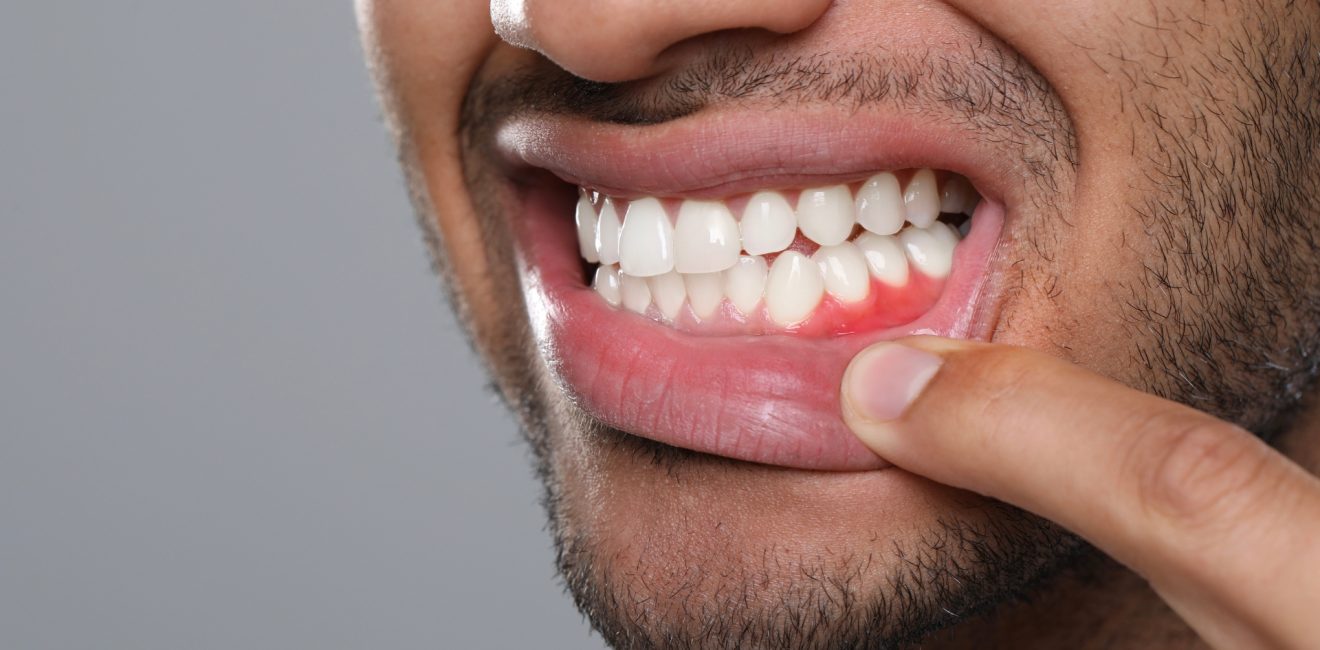
You probably remember that first sting—a sudden mouth sore after biting the inside of your cheek or after a night of spicy noodles. In this short guide you’ll learn why those ulcers pop up, how to soothe them at home, and the exact signs that mean you should visit a dentist. I once had a stubborn canker sore during a trip; between salt rinses and finding a friendly dentist in Shanghai (PureSmile helped with fast relief), I realized how small changes make a big difference.
Types of Mouth Sores & How to Tell Them Apart (Mouth sores, Canker sores, Cold sores)
Mouth sores is a broad term for irritated or damaged spots in or around your mouth. Most heal in 1–2 weeks, but your dentist should check anything that lasts 10–14 days or longer. Common Mouth sores causes include infections (bacteria, viruses, fungus) and mechanical irritation from braces, sharp teeth, or poorly fitting dentures.
Quick taxonomy: what you’re likely seeing
- Canker sores: non-contagious ulcers inside the mouth.
- Cold sores: contagious blisters caused by Herpes simplex, usually on the lip edge.
- Oral thrush: fungal overgrowth with white patches.
- Leukoplakia: white-grey patches; Leukoplakia causes vary and it needs evaluation due to possible precancer risk.
Symptoms to spot fast
- Canker sores: small, round/oval, painful ulcers with a white/yellow center and red rim, often on cheeks, lips, or tongue.
- Cold sores: tingling/burning first, then fluid-filled blisters that crust; spread through close contact.
- Oral thrush: white, curd-like patches that may wipe off and leave redness underneath.
Everyday triggers you can fix
Many mouth sores start with friction: a loose orthodontic wire, a sharp filling edge, a broken tooth, accidental cheek bites, or dentures that rub. If you’re in Shanghai, PureSmile can adjust braces, smooth sharp edges, or refit dentures to remove the trigger.
Clinical references: Cleveland Clinic, Medical News Today, and MedlinePlus note that cold sores are contagious (herpes simplex) and many mouth sores resolve within 1–2 weeks.
Common Causes & Risk Factors (Mouth sores causes, Vitamin deficiencies, Immune system weakness)
Biological mouth sores causes: infections and autoimmune diseases
Mouth sores can start when germs irritate your oral tissues. Viral infections like herpes simplex can trigger cold sores, while bacterial infections may inflame small cuts. Fungal infection, especially oral thrush, is more common with Immune system weakness (for example, if you are immunocompromised). Medical News Today and Cleveland Clinic note higher thrush risk in these groups.
Some sores are linked to Autoimmune diseases such as lichen planus, celiac disease, or Crohn’s, where your immune system reacts in ways that can inflame the mouth (reported by Medical News Today and Cleveland Clinic).
Lifestyle and systemic risk factors: Vitamin deficiencies, Stress factors, Hormonal changes
If sores keep coming back, check for Vitamin deficiencies and mineral shortfalls. Low B12, folate, iron, or zinc can make your mouth lining more fragile. Stress factors and Hormonal changes (such as during your period or pregnancy) may also raise your risk. Spicy or acidic foods can sting and worsen irritation, and Allergic reactions to toothpaste flavors or certain foods can trigger flare-ups.
- Medications that may induce sores include NSAIDs, chemotherapy agents, and ACE inhibitors (Cleveland Clinic; Medical News Today).
Mechanical irritation: when rubbing creates sores
Physical rubbing is a common, fixable cause. A loose orthodontic wire, a broken tooth edge or filling, or dentures that don’t fit can keep reopening the same spot. If you notice repeated sores in one area, PureSmile can help adjust appliances and smooth sharp edges.
Tip: Have your dentist examine any sore lasting a week or longer.
At-Home Treatments & Natural Remedies (Home remedies, Salt water gargle, Baking soda paste)
Most mouth sores heal on their own within 1–2 weeks. While you wait, simple Home remedies and gentle Mouth rinses can lower pain and help the area stay clean.
Simple home care that often helps
- Salt water gargle: Mix 1/2 teaspoon salt in 1 cup warm water. Swish or gargle for 20–30 seconds, then spit. Repeat 2–4 times daily.
- Baking soda paste: Combine a small amount of baking soda with a few drops of water to make a thick paste. Dab on the sore for 1–2 minutes, then rinse. This Natural remedy may help neutralize acid and soothe ulcers.
- OTC pain relief: A topical gel with benzocaine can numb the spot before meals or brushing.
Diet, soothing, and avoiding irritants
- Choose cool, soft foods (yogurt, smoothies, soups cooled down).
- Avoid spicy, salty, or acidic items (citrus, tomatoes) that can sting.
- Try probiotic yogurt if you have irritation linked to oral thrush; it may feel soothing for some people.
- Use a soft toothbrush and brush gently.
- Remove triggers: a loose orthodontic wire, sharp tooth edge, or poorly fitting denture can keep sores from healing—your dentist can smooth, repair, or reline it.
When home care isn’t enough
If a sore lasts a week or longer, or keeps coming back, ask your dentist about stronger options such as steroid rinses, chlorhexidine mouth rinses for inflammation control, or prescription antivirals for recurrent cold sores.
When to See a Dentist & Professional Care (Canker sores treatment, Treatment remedies, Prevention methods)
Most mouth sores heal on their own in 1–2 weeks. Still, you should not “wait it out” if the sore may be linked to infection, irritation, or a health condition. Guidance from sources like Cleveland Clinic and MedlinePlus supports getting checked when sores persist or keep coming back.
Red flags that need an exam
- Sore lasts more than 10–14 days (some dentists advise evaluation after 1 week)
- Rapidly growing patch, thick white area, or unusual color change
- Severe pain, swelling, pus, or trouble eating/drinking
- Fever or you feel generally unwell
- Recurrent sores (frequent flare-ups)
Professional care: fix the cause first
Your dentist will look for triggers such as a Sharp tooth, a broken filling edge, braces wire irritation, or Poorly fitting dentures. They can smooth rough spots, adjust appliances, or reline dentures so the area can heal.
Canker sores treatment & other prescriptions
- Canker sores treatment: protective pastes, numbing gels, or topical steroids for painful ulcers
- Oral thrush: antifungal medicine
- Cold sores: antiviral medicine when started early
At-home treatment remedies (supportive care)
Use warm salt-water rinses, avoid spicy/acidic foods, and choose a soft toothbrush to reduce friction.
Prevention methods you can start today
- Good oral hygiene and regular dental checks
- Soft-bristle brushing and gentle flossing
- Balanced diet (iron, B vitamins, folate) and good hydration
- Stress reduction and adequate sleep
If you’re in or traveling to Shanghai, PureSmile Shanghai offers oral exams, appliance adjustments, and orthodontic care to help identify and treat mouth sores.
Prevention, Nutrition & Lifestyle (Prevention methods, Nutritional supplements, Oral hygiene)
Prevention methods you can stick with
Most mouth sores heal on their own in 1–2 weeks, but prevention starts with reducing irritation and infection risks. Keep up with Oral hygiene using a soft toothbrush and gentle brushing so you don’t scrape tender tissue. If you wear braces or dentures, fix problems fast—a loose wire, poor fit, or sharp tooth edge can keep a sore from closing. Regular dental check-ups help your dentist spot triggers early and examine any sore that lasts longer than expected.
Food can also be a trigger. If you notice flare-ups after spicy, salty, or acidic foods, limit them while your mouth heals and reintroduce them slowly.
Nutritional supplements and Vitamin deficiencies
Recurring sores can be linked to Vitamin deficiencies and low minerals. If sores keep coming back, ask about testing for B12, folate, iron, and zinc. You can often correct mild gaps with a balanced diet, but Nutritional supplements may help when a lab test confirms a deficiency. Don’t self-dose high amounts long term—targeted support works best when it matches your results.
Stress factors, immunity, and autoimmune diseases
Stress factors can weaken your defenses and make outbreaks more likely, so prioritize sleep, hydration, and simple stress-reduction habits. Also manage underlying conditions, including Autoimmune diseases, with your clinician, since a weakened immune system can raise the risk of infections like thrush.
As DentalHealth.org notes, your dentist should check any mouth sore that lasts a week or longer; practically, if it hasn’t improved by 10–14 days, or it’s spreading, very painful, or paired with fever, book a visit.
Most mouth sores heal in 1–2 weeks. Identify the type (canker, cold sore, thrush, leukoplakia), try simple home remedies like salt water or baking soda, and see a dentist if a sore lasts over 10–14 days or recurs frequently.


