
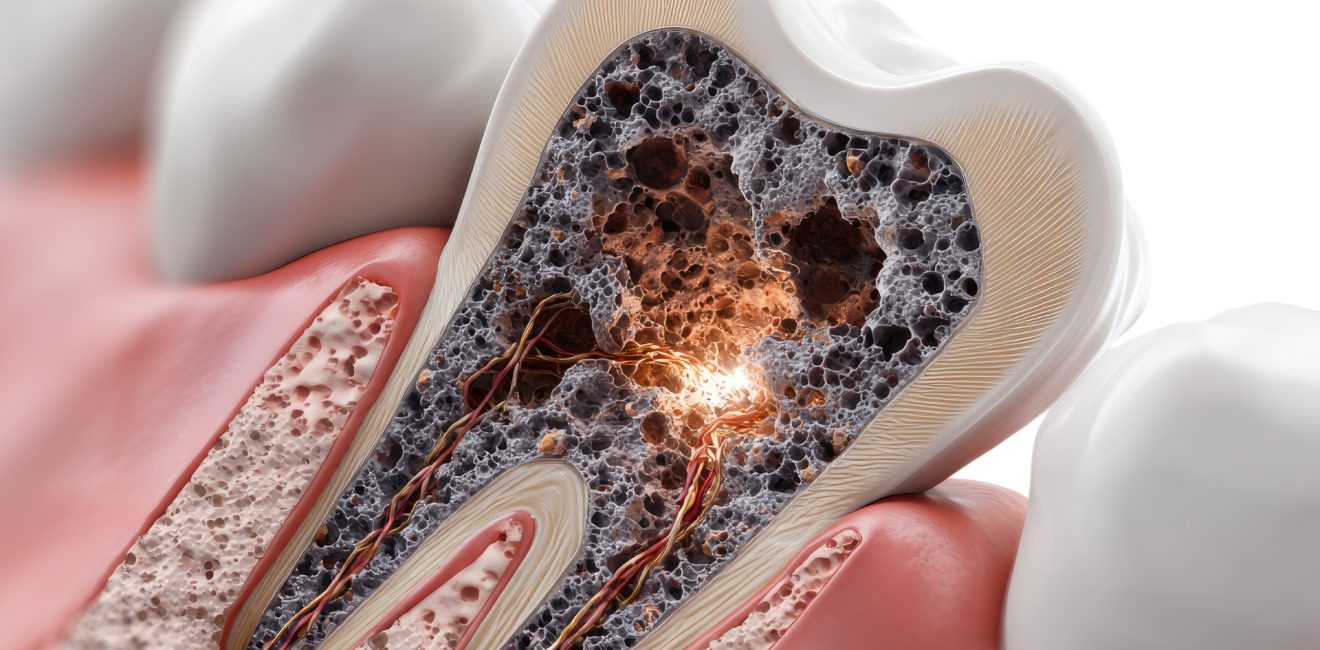
Tooth decay is one of the most common dental problems worldwide. Also known as cavities, it affects people of all ages and can cause discomfort, sensitivity, and even serious dental issues if left untreated. Understanding tooth decay, its causes, symptoms, and prevention can help you maintain a healthy, pain-free smile.
At PureSmile in Shanghai, China, we often see patients seeking guidance on how to prevent cavities and the best tooth decay treatment options. This guide will help you understand everything you need to know.
What Is Tooth Decay?
Tooth decay, or cavities, occurs when the hard surfaces of your teeth are damaged by acids produced by bacteria in your mouth. These acids eat away at enamel—the protective outer layer of the tooth—eventually creating holes or cavities.
Cavities are a gradual process. Early stages may not cause pain, but if left untreated, decay can reach deeper layers of the tooth, leading to sensitivity, pain, and infection.
What Causes Tooth Decay?
Several factors contribute to tooth decay, including lifestyle habits, diet, and oral hygiene practices.
Plaque and Bacteria Build-Up
Plaque is a sticky film of bacteria that constantly forms on your teeth. When plaque isn’t removed by brushing and flossing, bacteria produce acids that erode enamel.
Sugary and Acidic Foods
Frequent consumption of sugary or acidic foods and drinks—like soda, candies, citrus fruits, and fruit juices—feeds harmful bacteria and accelerates tooth decay.
Poor Oral Hygiene
Skipping brushing or flossing allows plaque and bacteria to accumulate, increasing the risk of cavities.
Dry Mouth (Lack of Saliva)
Saliva helps neutralize acids and wash away food particles. Conditions that reduce saliva, such as certain medications or medical issues, increase the risk of cavities.
Frequent Snacking and Drinks
Eating or drinking frequently throughout the day keeps your teeth under constant acid attack, which can lead to decay.
Stages of Tooth Decay
Tooth decay develops in several stages, progressing from minor damage to severe complications:
Early Demineralization (White Spots)
The first sign of decay is often white spots on the tooth surface. This indicates the enamel is losing minerals but can still be reversed with proper care.
Enamel Decay
If not treated, demineralization progresses to enamel decay. Small cavities may form, which require professional treatment like fluoride applications or fillings.
Dentin Decay
Once the decay reaches the dentin—the layer beneath enamel—you may experience sensitivity and discomfort, especially with hot, cold, or sweet foods.
Pulp Damage
Decay that reaches the pulp (the tooth’s inner nerve tissue) can cause significant pain and infection. Root canal treatment may be needed.
Abscess Formation
In severe cases, infection can spread to the root tip, forming an abscess. This is painful and requires urgent dental care.
Signs and Symptoms of Cavities
Not all cavities are immediately noticeable, but common signs of cavities include:
- Tooth sensitivity
- Toothache or spontaneous pain
- Visible holes or pits in teeth
- Brown, black, or white spots
- Pain when eating sweet, hot, or cold foods
Early detection is key to minimizing damage and avoiding more extensive treatment.
How Dentists Diagnose Tooth Decay
Dentists use several tools to detect cavities early:
- Visual examination: Checking teeth for visible signs of decay
- Dental X-rays: Reveal cavities between teeth or under restorations
- Probing and diagnostic tools: Measure tooth softness or weakness
Regular dental check-ups make it possible to catch decay before it becomes serious.
Treatment Options for Cavities
Tooth decay treatment depends on the severity of the cavity.
Fluoride Treatments (Early Stage)
Fluoride helps remineralize enamel and can reverse very early cavities before they turn into holes.
Dental Fillings
For small to moderate cavities, the dentist removes decayed material and fills the hole with a safe material such as composite resin or amalgam.
Crowns
When a cavity is too large for a filling, a crown (cap) may be placed to restore the tooth’s structure and strength.
Root Canal Treatment
If decay reaches the pulp, a root canal may be necessary. This removes infected tissue, cleans the canal, and seals the tooth.
Tooth Extraction (Severe Cases)
If the tooth is beyond repair, extraction may be required, followed by options for replacement, such as dental implants or bridges.
How to Prevent Tooth Decay
Preventing cavities is much easier than treating them. Here are effective ways to prevent cavities:
- Brush twice daily with fluoride toothpaste
- Floss every day to remove plaque between teeth
- Limit sugary and acidic foods
- Drink plenty of water to wash away acids
- Visit your dentist regularly for check-ups and cleanings
Following these steps consistently can help you maintain healthy, cavity-free teeth.
Best Foods for Healthy Teeth
Eating the right foods can strengthen enamel and protect teeth:
- Calcium-rich foods: Milk, cheese, yogurt
- Crunchy fruits and vegetables: Apples, carrots, celery
- Dairy products: Provide calcium and phosphate for strong enamel
Healthy eating complements good oral hygiene in preventing decay.
Who Is at Higher Risk of Cavities?
Some people are more likely to develop cavities, including:
- Children and teens (due to developing teeth and diets high in sugar)
- Older adults (enamel wears down with age)
- People with dry mouth
- Individuals with poor oral hygiene or unhealthy diets
Regular dental care is especially important for high-risk groups.
When to See a Dentist
See a dentist promptly if you experience:
- Persistent tooth pain
- Sensitivity that doesn’t go away
- Visible damage, holes, or discoloration
Early intervention can prevent complications and save your tooth.
FAQs About Tooth Decay
Can tooth decay be reversed?
Very early-stage decay can sometimes be reversed with fluoride and improved oral hygiene.
Are cavities permanent?
Once a cavity forms in enamel or dentin, it won’t heal on its own. Professional treatment is needed.
Do cavities always hurt?
No. Early cavities may have no symptoms. Pain usually develops when decay reaches deeper layers.
How long does it take for a cavity to form?
Cavities can take months to years to develop, depending on oral hygiene, diet, and genetics.
Schedule Your Dental Check-Up
Cavities may seem minor at first, but left untreated, tooth decay can cause serious problems.
At PureSmile in Shanghai, China, we offer comprehensive dental care, from preventive check-ups to advanced tooth decay treatment. Early detection and treatment make it easier to maintain a healthy, pain-free smile.
👉 Schedule your dental check-up today to prevent cavities before they get worse!


