
Key Takeaways
- Tooth decay happens when bacteria in your mouth produce acids that eat away at your tooth enamel, creating holes called cavities
- Early signs include sensitivity to sweets or cold drinks, visible dark spots on teeth, and unexplained tooth pain
- Without treatment, cavities can lead to serious infections, tooth loss, and expensive dental procedures
- Regular dental checkups at a quality clinic can catch decay early, saving you from pain and costly treatments
- Simple daily habits like proper brushing, flossing, and limiting sugary foods can prevent most tooth decay
What Is Tooth Decay and Why Does It Happen?
Tooth decay is one of the most common health problems worldwide, affecting people of all ages. But what exactly causes those painful cavities that send you rushing to the dentist?
Your mouth is home to millions of bacteria. While some of these bacteria are harmless or even helpful, others feed on the sugars and starches you eat. When these harmful bacteria consume sugar, they produce acids as a waste product. These acids are strong enough to break down the hard, protective outer layer of your teeth called enamel.
Think of your tooth enamel like a protective shield. When bacteria repeatedly attack this shield with acid, it gradually weakens. Over time, the enamel develops tiny holes that grow larger and deeper. These holes are what we call cavities. If left untreated, the decay can reach the inner layers of your tooth, causing pain, infection, and potentially tooth loss.
The process doesn’t happen overnight. Tooth decay typically develops over months or even years. This is actually good news because it means you have plenty of time to stop the damage before it becomes serious—if you know what to look for and take action early.
How to Recognize the Warning Signs of Tooth Decay
Catching tooth decay early makes treatment much easier and less expensive. Your teeth often send you warning signals before a cavity becomes painful. Here’s what you should watch for:
Sensitivity to Temperature and Sweets
One of the earliest signs of tooth decay is increased sensitivity. You might notice a sharp, uncomfortable feeling when you drink cold water, eat ice cream, or consume hot beverages. Similarly, biting into sweet foods like candy or cake might cause a sudden twinge of discomfort. This sensitivity happens because the protective enamel has weakened, exposing the more sensitive layers underneath.
Visible Changes in Your Teeth
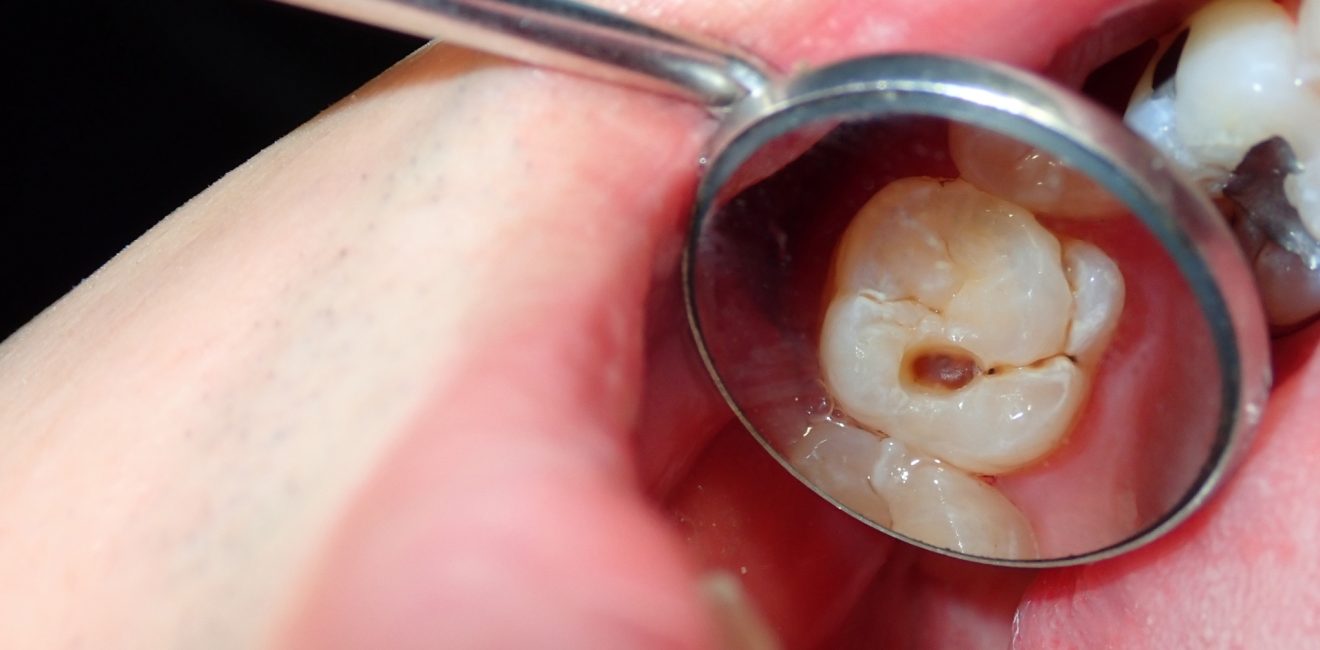
Look carefully at your teeth in good lighting. Early decay often appears as white, chalky spots on the tooth surface. As decay progresses, these spots may turn brown or black. You might also notice small pits or holes forming in your teeth. Any dark spots or unusual discoloration should prompt a dental visit.
Tooth Pain and Discomfort
As decay advances deeper into your tooth, you may experience actual pain. This might be a constant dull ache or sharp pain that comes and goes. The pain often gets worse when you bite down on food or when you eat or drink something sweet, hot, or cold. If you’re experiencing tooth pain, the decay has likely progressed beyond the early stages and needs prompt attention.
The Journey of Tooth Decay: From Minor to Major
Understanding how tooth decay progresses can help you appreciate why early treatment matters so much.
Stage One: Initial Demineralization
The decay process begins with demineralization—when acids start dissolving the minerals in your enamel. At this stage, you might see white spots on your teeth, but there’s no hole yet. The good news? This stage is actually reversible with proper care and fluoride treatment.
Stage Two: Enamel Decay
If the initial demineralization continues, the enamel breaks down further, and a cavity begins to form. You might start noticing brown or black spots. At this point, you’ll need a filling to stop the decay from progressing.
Stage Three: Dentin Decay
Once decay breaks through the enamel, it reaches the dentin—the softer layer beneath. Dentin decay progresses much faster than enamel decay because dentin is less resistant to acid. You’ll likely experience increased sensitivity and discomfort at this stage.
Stage Four: Pulp Involvement
If decay reaches the pulp—the innermost part of your tooth containing nerves and blood vessels—you’ll experience significant pain. This stage often requires a root canal treatment to save the tooth.
Stage Five: Abscess Formation
The final stage involves infection spreading beyond the tooth root, forming an abscess. This is a serious dental emergency that causes severe pain, swelling, and potential health complications. Treatment is more complex and may require tooth extraction.
Why Professional Detection Matters
You might think you can spot all cavities on your own, but that’s not the case. Many cavities develop in places you can’t see—between teeth, under old fillings, or in the deep grooves on chewing surfaces.
Modern dental clinics like PureSmile use advanced diagnostic tools that can detect cavities long before they become visible or painful. Digital X-rays can reveal decay hiding between teeth or beneath the enamel surface. Intraoral cameras provide detailed views of every tooth surface. Some clinics even use laser cavity detection systems that can identify weakened enamel before an actual hole forms.
These advanced technologies mean your dentist can catch problems when they’re still small and easy to fix. A simple filling is much more comfortable and affordable than a root canal or crown that might be needed if you wait until the tooth hurts.
Preventing Tooth Decay: Your Daily Defense Strategy
The best approach to tooth decay is preventing it in the first place. Here’s how you can protect your teeth every day:
Master Your Brushing Technique
Brush your teeth at least twice daily using fluoride toothpaste. Spend a full two minutes each time, making sure you reach all surfaces of every tooth. Use gentle circular motions rather than harsh back-and-forth scrubbing, which can damage your gums and enamel.
Don’t Skip Flossing
Flossing removes food particles and plaque from between your teeth where your toothbrush can’t reach. These tight spaces are prime locations for cavities to develop. Floss at least once daily, preferably before bedtime.
Limit Sugary and Acidic Foods
Bacteria in your mouth love sugar. The more sugar you consume, the more acid these bacteria produce. Try to limit sugary snacks and drinks, especially between meals. If you do indulge, rinse your mouth with water afterward. Also, be cautious with acidic foods and beverages like soda, citrus fruits, and sports drinks, which can directly erode enamel.
Stay Hydrated with Water
Drinking water throughout the day helps wash away food particles and bacteria. It also helps maintain healthy saliva production. Saliva is your mouth’s natural defense against decay because it neutralizes acids and provides minerals that strengthen enamel.
Consider Dental Sealants
Sealants are thin protective coatings applied to the chewing surfaces of back teeth. They’re especially beneficial for children but can help adults too. Sealants create a smooth surface that’s easier to clean and prevents bacteria from settling into the deep grooves of molars.
Treatment Options: What to Expect
If you do develop a cavity, several treatment options are available depending on the decay’s severity:
Fluoride Treatments: For very early decay, professional fluoride treatments can help remineralize enamel and reverse the damage.
Fillings: The most common treatment for cavities involves removing the decayed portion and filling the space with materials like composite resin, amalgam, or ceramic.
Crowns: When decay is extensive but hasn’t reached the pulp, a crown can cover and protect what remains of the tooth.
Root Canals: If decay reaches the tooth’s pulp, a root canal removes the infected tissue, cleans the tooth’s interior, and seals it to prevent further infection.
Extraction: In severe cases where the tooth can’t be saved, extraction may be necessary, followed by options for tooth replacement.
The Role of Regular Dental Checkups
Even with excellent home care, professional dental visits are essential. Most dentists recommend checkups every six months, though you might need more frequent visits if you’re prone to cavities.
During these visits, your dentist and hygienist will thoroughly clean your teeth, removing plaque and tartar that you can’t eliminate at home. They’ll also examine your teeth carefully for any signs of decay, using both visual inspection and diagnostic tools.
At the best dental clinic Shanghai has to offer, like PureSmile, comprehensive examinations go beyond just checking for cavities. Your dental team will assess your overall oral health, discuss any concerns you have, and create a personalized prevention plan. This proactive approach helps catch problems early when they’re easiest and least expensive to treat.
Special Considerations for Different Age Groups
Children and Tooth Decay
Children are particularly susceptible to cavities because their brushing habits are still developing, and they often consume more sugary foods and drinks. Baby teeth are also more vulnerable to decay than permanent teeth. Despite being temporary, baby teeth are crucial for proper speech development, nutrition, and guiding permanent teeth into position.
Teaching children good oral hygiene habits early sets them up for a lifetime of healthy teeth. Regular dental visits should start by age one or when the first tooth appears.
Adults and Tooth Decay
Adults face unique challenges, including receding gums that expose tooth roots (which are more vulnerable to decay than enamel-covered crowns), decay around existing fillings, and dry mouth from medications that reduce saliva production.
Seniors and Tooth Decay
Older adults often experience more cavities due to factors like gum recession, medications causing dry mouth, difficulty maintaining proper oral hygiene, and decay around old dental work. Regular dental care becomes even more important as you age.
Frequently Asked Questions
How long does it take for a cavity to form?
Cavity formation varies greatly depending on factors like diet, oral hygiene, saliva quality, and bacteria levels. Some cavities can develop in as little as six months, while others may take years. This is why twice-yearly dental visits are so important—they help catch decay at different stages.
Can cavities heal on their own?
Very early decay (the initial demineralization stage) can sometimes be reversed with improved oral hygiene and fluoride treatments. However, once a cavity has formed a hole in the enamel, it cannot heal without professional treatment. The decay will only continue to worsen if left untreated.
Are some people more prone to cavities than others?
Yes. Genetics play a role in enamel strength and saliva composition. Some people naturally have deeper tooth grooves that trap bacteria more easily. Medical conditions and medications that cause dry mouth also increase cavity risk. However, good oral hygiene can help protect even those who are more susceptible.
How can I tell if my child has a cavity?
Look for white, brown, or black spots on teeth, especially near the gum line. Your child might complain of tooth pain or sensitivity, avoid chewing on one side of their mouth, or become fussy during meals. However, children don’t always recognize or report dental pain, making regular dental visits essential.
Does teeth whitening weaken enamel and cause decay?
Professional teeth whitening performed or supervised by a dentist is safe and doesn’t cause cavities. However, whitening can temporarily increase tooth sensitivity. Over-the-counter products should be used as directed. The key is maintaining good oral hygiene regardless of whitening treatments.
Can I wait to treat a cavity if it doesn’t hurt?
No. Pain is a late-stage symptom of tooth decay. By the time a cavity hurts, it has likely reached the deeper layers of your tooth and may require more extensive treatment. Early treatment prevents pain, saves tooth structure, and costs less than addressing advanced decay.
Tooth decay is a preventable disease that affects millions of people, but it doesn’t have to affect you. By understanding how cavities form, recognizing the early warning signs, and taking action to protect your teeth, you can maintain a healthy smile for life.
Remember that the bacteria causing decay are constantly present in your mouth. Your daily habits—how often you brush and floss, what you eat and drink, and whether you keep up with regular dental visits—determine whether these bacteria cause harm or remain under control.
Don’t wait for pain to signal a problem. Pain means decay has already progressed significantly. Instead, be proactive about your oral health. Pay attention to sensitivity, examine your teeth regularly, and maintain a consistent oral hygiene routine.
Take Control of Your Dental Health Today
Your smile deserves the best care possible. If you’re experiencing any signs of tooth decay—sensitivity, discoloration, or pain—or if it’s simply been too long since your last dental checkup, now is the time to take action.
PureSmile offers comprehensive dental and orthodontic services using state-of-the-art diagnostic technology to detect cavities before they become painful or expensive problems. Our experienced team takes a patient-centered approach, ensuring you feel comfortable while receiving the highest quality care.
Don’t let tooth decay compromise your oral health and quality of life. Schedule your appointment with PureSmile today and discover why we’re recognized as the best dental clinic Shanghai residents trust for their dental care needs. Your future self will thank you for taking action now rather than waiting for a dental emergency.
Contact PureSmile to book your comprehensive dental examination and start your journey toward a healthier, cavity-free smile.


