
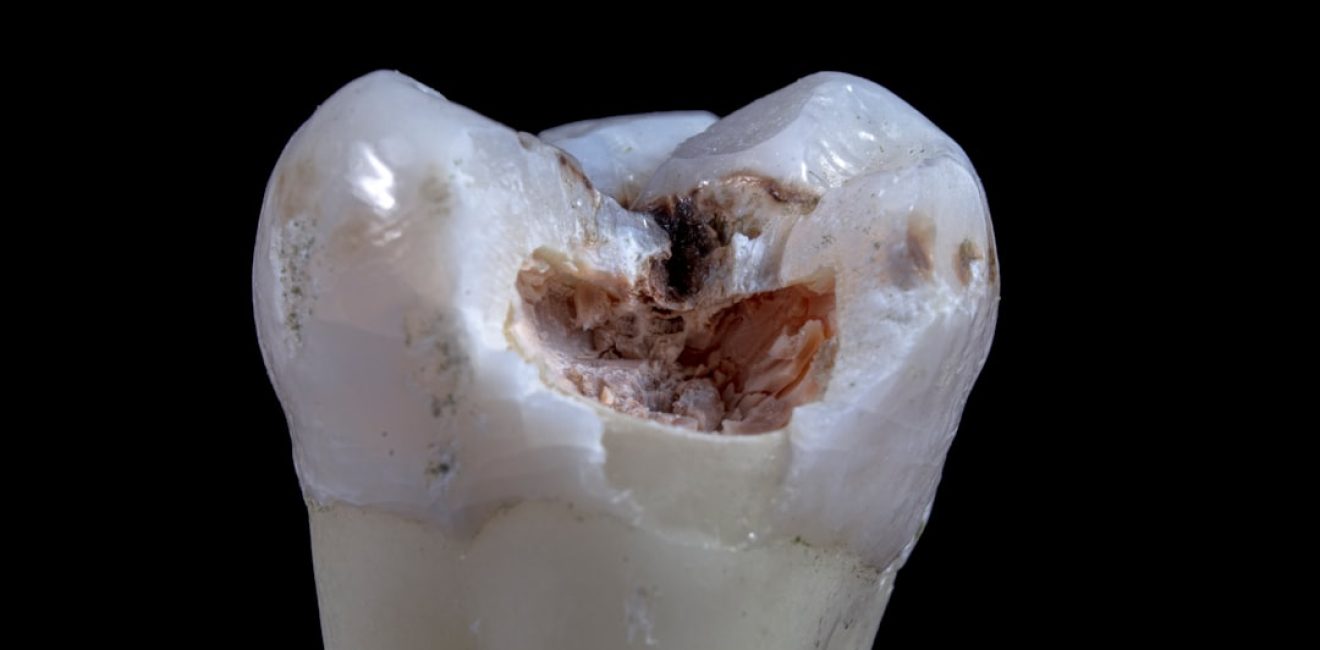
You know that jolt of pain when you bite something sweet? That moment—sharp, annoying—might be your first clue that tooth decay is starting. In this short guide you’ll learn how cavities form, why kids and older adults are both at risk, and the practical steps you can take (yes, including quick wins like fluoride and sealants) to protect your smile. I once watched a neighbor swear off candies after a single filling; you might find one small routine change is all it takes.
1) What Are Cavities and How They Form (Dental Caries / Tooth Decay)
Cavities, also called Dental Caries, are damaged areas in your tooth that can turn into small holes. They happen when Oral Bacteria in your mouth use sugar from foods and drinks to make acid. Over time, that acid wears down your tooth’s protective surface, leading to Tooth Decay.
How plaque turns sugar into acid
A sticky film called plaque forms on your teeth every day. Plaque is full of oral bacteria. When you eat or drink sugary items, the bacteria feed on those sugars and produce acids. Because plaque is sticky, it holds the acid against your teeth, giving it more time to attack.
- Plaque builds up on teeth
- You consume sugars or starches
- Oral bacteria make acid
- Acid weakens enamel and creates caries lesions
- Enamel breaks down and a cavity can form
Enamel vs. roots: why some areas decay faster
Your enamel is the hard outer layer of your tooth. Once it breaks down, decay can move deeper. If your gums recede (more common as you age), your tooth roots can become exposed. Roots are covered by cementum, which is softer than enamel, so root decay is more likely—especially in people over age 50.
Early signs you might notice
- Sensitivity to sweets, hot, or cold
- A visible pit or dark spot
- Food getting stuck in one area
- Decay between teeth that you can’t easily see
2) Who’s Most at Risk (Caries Prevalence, DMFT Index, Age Patterns)
Your risk of cavities changes with age, but tooth decay can affect you at any stage of life. As the American Dental Association (ADA) explains, “Cavities are more common among children, but changes that occur with aging make cavities an adult problem, too.”
Caries Prevalence: Where cavities show up most
Caries Prevalence means how many people in a group have tooth decay. In some regions, childhood decay is a major public health issue. For example, research summaries from Arab region studies report 72.62% prevalence in children—showing how common early Caries Lesions can be when diet, fluoride access, and dental care are uneven.
Age patterns: kids get new cavities, older adults get root decay
- Children and teens: You often get the highest number of new cavities because plaque bacteria use sugars to make acids that weaken enamel.
- Adults 50+: Gum recession can expose tooth roots. Roots are covered by cementum, which is softer than enamel, so tooth-root decay is common after 50.
- Older adults with fillings: Decay can start at the edges of older restorations. Over time, fillings may crack or leak, letting bacteria and acids collect in tiny gaps.
DMFT Index: a simple way to measure lifetime damage
The DMFT Index is a standard research tool that counts Decayed, Missing (from decay), and Filled teeth. Some studies also track early, non-cavitated Caries Lesions.DMFT = D + M + F
Regular dental visits are linked with lower caries levels and fewer missing teeth compared with sporadic attenders—because problems are found earlier and prevention is reinforced.
3) Detection & Research Trends (Caries Detection, Radiography, Deep Learning)
Caries Detection in the dental chair
Caries Detection usually starts with a visual exam. Your dentist looks for enamel breakdown caused by plaque acids and checks common risk areas, including exposed roots and the margins around older fillings where bacteria can hide.
Why Radiographic Images matter
Because early decay can be hard to see, Radiographic Images are often used to confirm what the eye can’t. Bitewing X-rays can reveal cavities between teeth, and Panoramic Imaging can give a wider view of teeth and jaws. Practical note for you: if X-rays or panoramic scans are suggested, they’re often meant to spot hidden lesions between teeth and under old fillings or leaking edges.
Deep Learning and AI: what research is showing
Research trends since 2010 show fast growth in diagnosis studies using computational models and multi-modal imaging (combining different scan types). In caries classification research, Deep Learning is now the predominant approach—used in about ~69% of studies that analyze radiographic images, especially panoramic radiographs. On some datasets, these models have even outperformed dental experts, mainly by finding subtle patterns consistently.
- More data-driven diagnosis: larger image datasets and better labeling are improving model training.
- Progression tracking: studies also use measures like DMFT (Decayed, Missing, Filled Teeth) and Bayesian modeling to estimate risk and follow changes over time.
- Multi-modal trend: combining clinical exam notes with radiographs can improve accuracy.
Important caveat: AI supports decisions, but it doesn’t replace clinical judgment, your symptoms, or your history.
4) Prevention, Practical Steps, and Minimally Invasive Options (Caries Prevention)
Daily rituals that lower your risk
Caries Prevention starts with simple habits you can repeat every day. Plaque bacteria use sugar to make acids, so your goal is to remove plaque and reduce “acid time” on your teeth.
- Brush twice a day with fluoride toothpaste.
- Clean between your teeth daily with floss or an interdental cleaner.
- Eat balanced meals and limit snacking (frequent snacks mean frequent acid attacks).
- If you have sweets, try to keep them with meals instead of sipping or grazing all day.
Professional prevention: fluoride, sealants, and Dental Visits
At your Dental Visits, ask for prevention that matches your personal risk. Research supports risk-based recall intervals (not one fixed schedule for everyone), but regular checkups are still linked to better outcomes because early changes are easier to manage.
Fluoride strengthens enamel, and sealants act like a thin plastic shield on back teeth where decay often starts.
Minimally Invasive care for early decay
Minimally Invasive dentistry aims to stop small lesions before they become big cavities. Early spots can often be arrested with fluoride treatments, sealants, and better home care—rather than drilling and large fillings.
If you’re older, ask your dentist to check the margins of old fillings. Small leaks and cracks can trap bacteria and start new decay.
In Shanghai, PureSmile provides preventive sealants, fluoride guidance, and modern restorative care when treatment is needed.
5) Wild Cards: Analogies, Quick Anecdotes, and a Short How-You-Can-Test
Analogy for Caries Progression
Think of your enamel like paint on a car. A tiny chip may look harmless, but if you leave it, moisture and grime get underneath and rust spreads out of sight. Cavities work the same way: plaque bacteria make acid from sugar, and that acid sits on the tooth long enough to weaken enamel. Small behavioral tweaks—like brushing with fluoride before bed and cutting “sip-and-snack” habits—can have outsized effects on your lifetime caries burden.
A Quick Anecdote on Restoration Frequency
You might remember a relative whose old filling cracked. It didn’t hurt at first, but the edge became a tiny food trap. Over time, bacteria built up in that crevice, acid stayed in contact with the tooth, and a “surprising” cavity formed behind the filling. This is why Restoration Frequency matters: restorations can fracture or leak as years pass, and margin decay can sneak in. For older adults, gum recession can also expose softer root surfaces, raising risk even if you “never got cavities as a kid.”
Short How-You-Can-Test Your Dental Health
Do a simple check after you brush: if a spot feels sticky, you notice dark areas, or you get sensitivity to sweet, hot, or cold, treat it as an early signal and book a visit—don’t wait for pain. If you skip flossing and eat sweets between meals, acids spend more time on enamel and risk rises.
Thought experiment: if your tooth could talk, would it ask for a repair now—or a bigger fix later? Dental anxiety is normal, so ask about minimally invasive options or sedation at clinics like PureSmile in Shanghai, and keep your Dental Health plan simple and consistent.
Cavities (dental caries) form when plaque bacteria convert sugars into acids that break down enamel. Kids and adults (especially 50+) are vulnerable. Use fluoride toothpaste, floss, consider sealants, and keep regular dental visits.


