
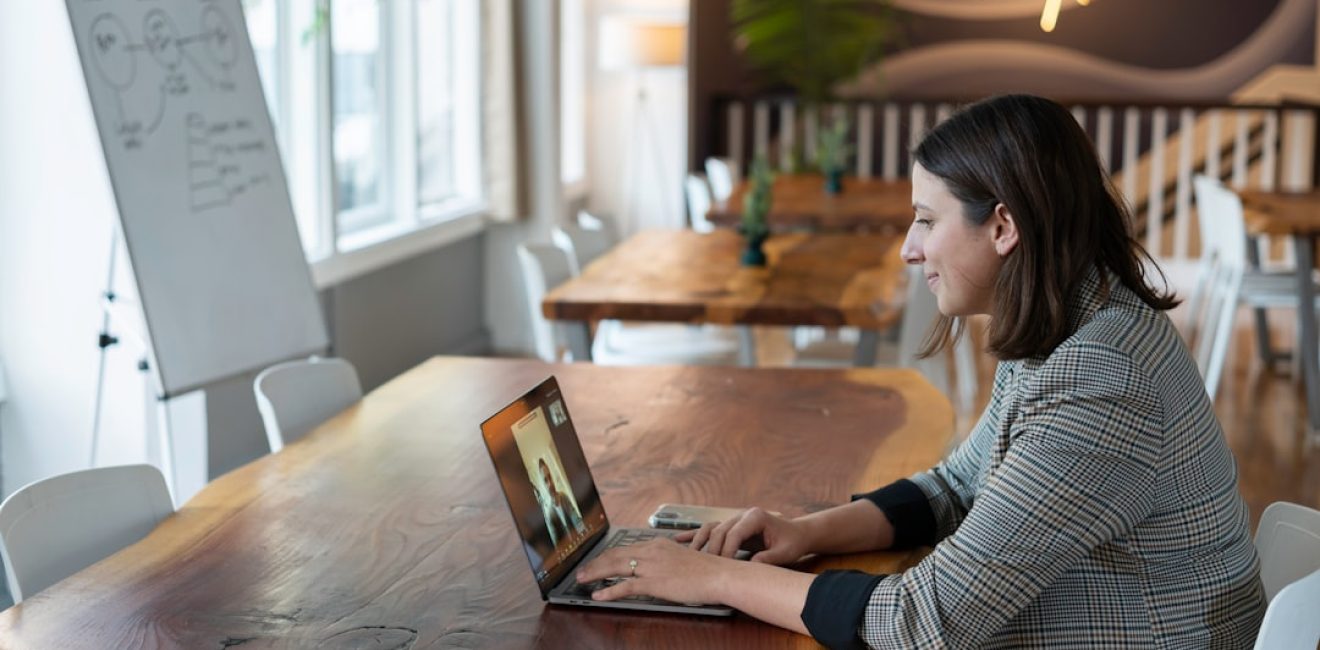
I was nine years old when a broken front tooth sent me on a two-hour journey to the nearest dentist, my mother gripping the wheel with white knuckles as we navigated country roads. The whole experience was exhausting—and frightening. Now, decades later, the world has changed in ways my younger self couldn’t imagine: enter teledentistry. But for millions in the U.S. (and even in bustling cities like Shanghai, where PureSmile provides high-tech care), access still isn’t a given. Let’s unpack why—and how digital tools might finally tip the scales toward oral health equity.
The Hidden Terrain: Social Determinants and the Real Teeth of Access Disparities
When you look closely at oral health in America, it’s clear that who gets dental care—and who doesn’t—is shaped by more than just personal choices. Social determinants of oral health, like where you live, your income, disability status, and minority background, play a huge role in access to care. The ASTDD’s white paper, Teledentistry: How Technology Can Facilitate Access To Care, highlights how these factors create real, persistent teledentistry access disparities across the country.
Consider this: Imagine a grandparent in a small rural town, forced to choose between buying groceries or filling the gas tank for a 60-mile drive to the nearest dentist. This isn’t just a story—it’s a daily reality for millions. According to the Health Resources and Services Administration (HRSA), about 58 million Americans live in nearly 6,000 Dental Health Professional Shortage Areas (HPSAs). These areas are so underserved that it would take 11,000 more dental providers just to meet basic needs.
Insurance coverage for teledentistry services is often seen as a solution, but it’s far from a silver bullet. Private dental insurance is expensive and usually tied to employment, leaving out many low-income families. Medicaid, the safety net for the poor and disabled, faces its own challenges: less than 40% of dentists participate, so even those with coverage may struggle to find care. As one dental health equity advocate put it:
“Oral health can’t be locked behind a zip code or a paycheck.”
These access disparities are especially stark in rural America, where long distances, limited transportation, and fewer providers make dental visits a major hurdle. For some, the only option is the hospital emergency room—a costly and often ineffective way to handle dental pain, costing the U.S. healthcare system $2 billion in 2015 alone on non-definitive care.
Contrast this with urban centers like Shanghai, where PureSmile’s approach shows how dense provider networks and advanced technology can make dental care far more accessible. In the U.S., however, the gap between rural and urban access remains wide, with social determinants continuing to drive oral health inequity.
- Geography: Rural residents face long travel times and fewer providers.
- Poverty: Low-income families must often choose between basic needs and dental care.
- Disability: Physical or cognitive challenges can make traditional dental visits difficult.
- Minority Status: Minority populations are more likely to live in HPSAs and face language or cultural barriers.
Even as teledentistry promises to bridge some of these gaps, insurance coverage for teledentistry services remains inconsistent, and regulatory barriers slow progress. Still, recognizing the real teeth of access disparities—rooted in social determinants—helps you understand why oral health equity is about more than just technology. It’s about ensuring that no one’s smile depends on their zip code, income, or background.
When Emergency Rooms Become Dental Clinics: Teledentistry as a Disruptor of Old Habits
Imagine walking into your local emergency room—not for a broken arm, but for a toothache. This is the reality for millions of Americans each year. In 2015 alone, the U.S. spent a staggering $2 billion on emergency room visits for dental problems that could have been solved more effectively and affordably elsewhere. These visits often result in temporary fixes, not real solutions, and highlight a deeper issue: gaps in access to routine dental care, especially in rural and underserved communities.
For rural patients, the challenge is even greater. Many live hours from the nearest dental provider, with some facing round trips of hundreds of miles just to see a dentist. Limited provider availability, tough travel conditions, and financial barriers mean that a simple cavity or chipped tooth can escalate into a painful, expensive emergency. The impact of teledentistry on rural healthcare is clear: it offers a lifeline where traditional care falls short.
Teledentistry emergency dental care is changing this landscape. By using digital radiographs, photos, electronic health records, and secure Internet platforms, teledentistry connects patients and dental professionals remotely. This approach enables teleconsultation teledentistry—real-time video calls or asynchronous “store-and-forward” sharing of clinical information—so patients can receive expert advice and diagnosis without leaving their community.
Consider the U.S. Army’s innovative use of teledentistry. Soldiers stationed in remote areas once faced a 240-mile round trip for periodontal care. With virtual coordination, they now receive timely specialist consultations and follow-ups without the grueling travel. This is just one example of how teledentistry emergency dental care brings “the right care, right there”—as a Center for Connected Health Policy spokesperson puts it—for rural America.
- Cost-effectiveness teledentistry: By shifting non-urgent dental cases out of ERs and into virtual care, teledentistry saves money for both patients and the healthcare system. Preventive care and early intervention reduce the need for costly emergency treatments.
- Improved rural healthcare access: School-based programs now empower nurses to consult with dentists via video for quick opinions on dental injuries, like a chipped tooth, without waiting days or weeks for an appointment.
- Teleconsultation teledentistry: Patients in remote areas can access specialists for diagnosis, treatment planning, and follow-up, all from their local clinic or even their home.
Research shows that teledentistry delivers clinical accuracy equal to, or better than, traditional in-person exams. In California, school-based teledentistry programs found that two-thirds of children needed only preventive care, dramatically reducing unnecessary referrals and travel. The cost-effectiveness of teledentistry is especially pronounced in rural healthcare access, where it optimizes limited resources and delivers timely care to those who need it most.
“Virtual Dental Homes” and the New Face of Preventive Care (Plus: The Policy Puzzles We Need to Solve)
As you look for ways to bridge the persistent gaps in oral health access, the virtual dental home model stands out as a practical, people-centered solution. This approach lets dental hygienists and other allied professionals deliver screenings, preventive care, and education directly in community settings—like schools, nursing homes, or rural clinics. Through secure digital platforms, these providers consult with off-site dentists, who review digital diagnostics dentistry records and recommend next steps. This collaborative, hybrid approach not only extends the reach of dental care but also helps you target resources where they’re needed most.
The impact is clear: California’s pioneering virtual dental home projects found that nearly two-thirds of patients required only preventive care after initial screening, meaning most never needed to travel for in-person dental visits. This model is especially powerful in areas with dental workforce shortages, where geography and transportation are major barriers. By delegating routine care to trained team members and using teledentistry for oversight, you can serve more people efficiently and cost-effectively.
However, the promise of virtual dental homes is still limited by policy and payment puzzles. Medicaid reimbursement for teledentistry remains a major barrier: most states only pay for synchronous (live video) visits, ignoring “store-and-forward” models that allow providers to review patient data asynchronously. Billing systems often credential only dentists, leaving out hygienists and other team members who are essential to the virtual dental home model. These challenges slow adoption, even as evidence mounts that teledentistry can match or exceed the clinical accuracy of traditional exams.
To make virtual dental homes work, you need more than just technology—you need a workforce trained for digital care. Leading teledentistry training programs at schools like Arizona School of Dentistry & Oral Health, NYU College of Dentistry, and the University of Nebraska Medical Center are already preparing students for this future. Their curricula now include digital diagnostics, virtual patient management, and state-specific regulations, ensuring that new graduates are ready to thrive in both virtual and in-person settings.
Internationally, Brazil’s EstomatoNet program offers a compelling comparison. By using a store-and-forward teledentistry model, EstomatoNet dramatically reduced wait times for specialist care—showing how policy flexibility can unlock real benefits. In the U.S., Missouri’s school-based mobile clinics use similar technology to reach children in rural areas, further proving that hybrid care models can close access gaps.
Despite the hurdles—licensing rules, reimbursement limits, technology disparities, and data privacy concerns—the momentum is clear.
The virtual dental home model, supported by robust teledentistry training and smart policy reform, is redefining preventive care. If you embrace these changes, advocate for expanded Medicaid reimbursement for teledentistry, and support ongoing education, you can help ensure that high-quality oral healthcare reaches every community—no matter the zip code.
Teledentistry’s reach stretches much further than just convenient appointments; it’s a powerful tool for making oral healthcare fairer, cheaper, and more practical—if we’re willing to solve a few policy puzzles on the way.


