
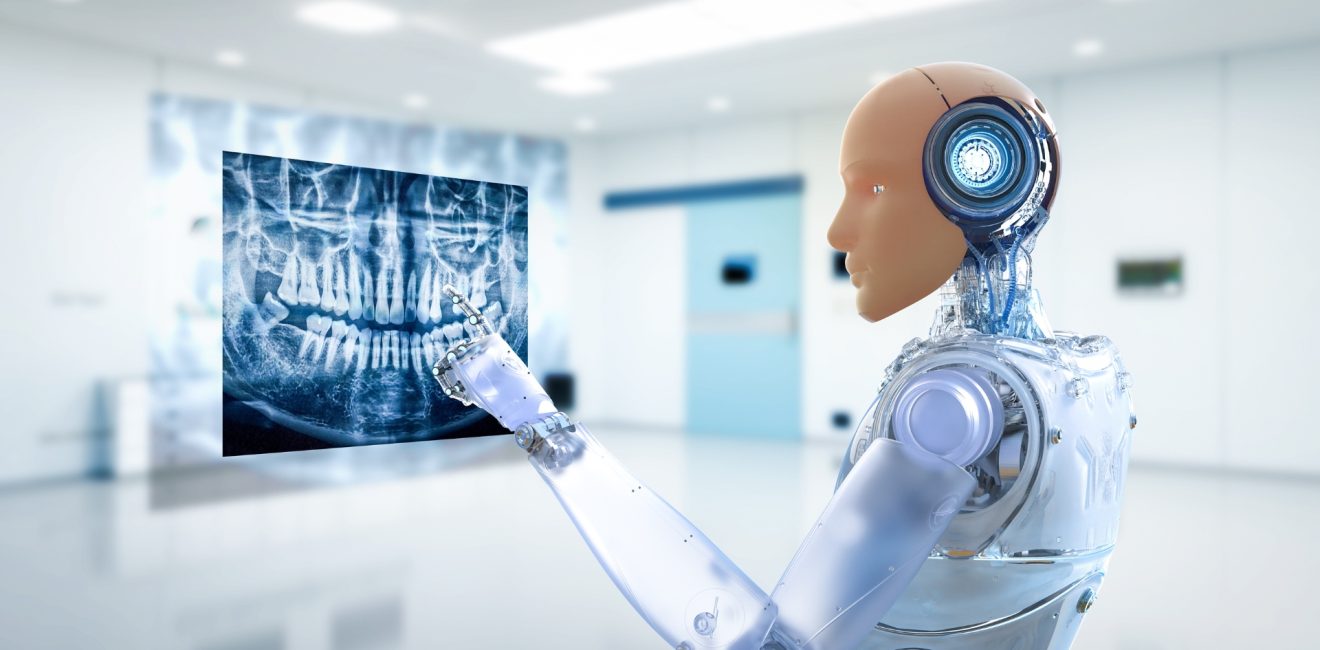
I’ll never forget the horror of my childhood orthodontist visits—the cold metal, the endless goop in my mouth, and a yearbook photo featuring a truly lopsided grin. Yet here we are in 2025, where the smile journey is nearly unrecognizable. Instead of suffering, you (or your child) get a customized, comfortable, speedy transformation, crafted by smart technology, and—get this—even mindful of the planet. Let’s pull back the curtain on what’s really changing in orthodontics and what that means for anyone taking their next step toward a confident smile.
AI in the Driver’s Seat: Smarter, Faster, and Uncannily Precise
In 2025, AI-powered orthodontic treatment planning is revolutionizing the way you achieve your best smile. Gone are the days of waiting weeks for manual adjustments or relying on guesswork. Now, advanced AI software takes your 3D digital scans and instantly creates a personalized treatment plan, sharply cutting wait times and boosting accuracy. This technology is not just about speed—it’s about giving you a treatment plan that is unique to your teeth, jaw, and facial structure.
One of the most impressive features is predictive modeling for treatment optimization. Before any aligner is made or a single bracket is placed, your orthodontist can use AI to simulate how your teeth and jaw will move over time. Think of it as a “future-you” simulation. As Dr. Kevin Chan explains:
“We can share a 3D simulation of your future smile before the first aligner is created.”
This level of tooth movement prediction means you can see your expected results before treatment even begins, making the process more transparent and reassuring.
AI in orthodontics also brings AI-driven cephalometric landmark detection into the spotlight. This technology automates the analysis of your dental and facial structure, reducing human error and speeding up diagnosis. By using deep learning algorithms, orthodontists can now forecast jaw growth and even predict the need for surgical interventions with greater confidence. This ensures that your treatment is not only faster but also more precise and tailored to your needs.
- AI-powered aligner planning means each set of aligners is crafted for your specific tooth movements, minimizing unnecessary adjustments and office visits.
- 3D digital scans have replaced uncomfortable molds, making the process seamless from start to finish.
- AI-driven treatment plans allow for more complex cases to be handled with clear aligners, expanding your options.
With these advancements, your orthodontic journey is now guided by data-driven precision, giving you confidence in both the process and the outcome. The integration of AI ensures that every step is smarter, faster, and uncannily precise—so you can look forward to a smile that’s truly designed for you.
Clear Aligners & 3D Printing: Invisible Treatment Goes Green and Instant
In 2025, clear aligners innovations are transforming orthodontic care, offering you a smarter, faster, and greener way to achieve your ideal smile. Thanks to advanced AI-powered treatment planning, clear aligners like Invisalign® now deliver results quicker than ever before. AI analyzes your digital scans, creating a precise, personalized plan that moves your teeth efficiently—even in complex cases like major bite corrections, which were once only possible with traditional braces.
Enhanced materials and AI integration mean aligners are not only more effective but also more comfortable and nearly invisible. You can now enjoy the flexibility of removable aligners that fit seamlessly into your lifestyle, while benefiting from shorter treatment times. As Dr. JC Lin explains,
“Patients want smarter, greener, faster solutions—the future is here.”
One of the most exciting advancements is the use of 3D printing in orthodontics. This technology allows orthodontic appliances—such as retainers and aligners—to be custom-made and ready for you within hours, not weeks. 3D printing ensures a precise, comfortable fit and slashes production costs, making highly personalized treatments more accessible. In fact, same-day delivery of 3D-printed retainers and aligners is now a reality at many practices.
Eco-friendly orthodontic practices are also gaining momentum. Many aligner companies now offer biodegradable or recyclable options, and orthodontic offices are adopting sustainable measures like recyclable packaging and digital scanning technology. Digital scans replace traditional, messy dental molds, reducing waste and improving your comfort. These innovations not only support a greener planet but also enhance orthodontic treatment efficiency by streamlining every step of your care.
- AI-optimized clear aligners deliver faster, more precise results—even for complex bite corrections.
- 3D printing enables near-instant, bespoke orthodontic appliances with eco-friendly materials.
- Digital scanning technology improves comfort and reduces environmental impact.
- Eco-friendly packaging and production are now standard in leading practices.
With these advancements, invisible orthodontic treatments are more effective, sustainable, and accessible than ever—broadening the possibilities for your smile and the planet.
From Bricks-and-Mortar to Bytes: How Teledentistry and Digital Scans Put Comfort First
In 2025, orthodontic care is all about comfort, convenience, and sustainability—thanks to digital scanning technology and the rise of teledentistry. If you remember the days of biting into gooey, uncomfortable molds, you’ll be relieved to know those are now ancient history. Digital scanning technology in orthodontics has fully replaced traditional impressions, offering a painless, quick, and highly accurate way to capture your teeth’s exact shape. These digital scans integrate seamlessly with AI-powered software, ensuring fewer errors and smoother, more personalized treatment plans.
One of the biggest teledentistry advantages for orthodontics is the ability to check in with your orthodontist from anywhere. Using your smartphone, you can send photos or scans of your teeth directly to your provider. This means you can get professional feedback and treatment adjustments without leaving home—perfect for busy families or those living in rural areas. Remote care not only saves time and travel, but also keeps you closely connected to your orthodontist, supporting strong doctor-patient relationships and improving orthodontic patient compliance.
Orthodontic offices are also leading the way in eco-friendly orthodontic practices. In 2025, many clinics use solar panels to power their operations, maintain digital records to cut down on paper waste, and package aligners and retainers in recyclable materials. Even the switch from traditional molds to digital impressions reduces waste and environmental impact, reflecting a growing patient demand for sustainability.
- Digital scanning technology orthodontics: No more messy molds—digital impressions are now the standard, offering comfort and precision.
- Teledentistry advantages for orthodontics: Virtual check-ins and remote monitoring make care accessible and flexible.
- Eco-friendly orthodontic practices: Solar energy, digital records, and recyclable packaging are now common in modern offices.
- Orthodontic patient compliance: Easy digital communication and remote monitoring help you stay on track with your treatment.
With these innovations, orthodontic care in 2025 is not only more advanced but also more patient-centered and environmentally responsible than ever before.
The Face in Focus: Treatments that Do More Than Straighten Teeth
In 2025, orthodontic treatment is about so much more than simply aligning your teeth. The latest advancements put facial aesthetics in orthodontic treatment at the forefront, ensuring that every adjustment supports your lips, enhances your jawline, and harmonizes with your entire facial profile. Today’s orthodontists, like those at Wright & Feusier Orthodontics, use a blend of technology and artistry to create results that look natural and boost your confidence.
One of the most exciting shifts is the use of AI-powered planning and 3D digital scans. These tools allow your orthodontist to visualize not just your teeth, but how their movement will affect your facial balance. AI analyzes your unique features and helps design a treatment plan that supports your lips and cheeks, ensuring your new smile fits seamlessly with your overall appearance. This level of orthodontic treatment personalization means your care is tailored to you—not just your teeth, but your whole face.
Personalized orthodontic care is further enhanced by the experience and artistic eye of your doctor. While AI and 3D printing create precise appliances, it’s the orthodontist who ensures your treatment brings out your best features. As Dr. Kevin Chan puts it:
“The best orthodontic treatment is the one that brings out your natural confidence—inside and out.”
For those choosing traditional braces, advancements in traditional braces like self-ligating brackets and heat-sensitive wires mean faster, more comfortable treatment. Clear and ceramic options provide subtlety, blending with your teeth for a discreet look. These new materials and designs not only speed up your journey to a better smile but also keep your appearance in mind throughout the process.
Ultimately, modern orthodontics is about more than straight teeth—it’s about creating harmony between your dental alignment and your facial features. By combining cutting-edge technology with a focus on facial aesthetics, today’s treatments help you achieve a smile that feels as good as it looks. With orthodontic treatment personalization at its core, your journey is now designed to enhance your entire appearance and support your natural confidence for years to come.
2025 orthodontics are faster, greener, and more comfortable than ever—combining AI, digital scans, and eco-friendly materials for smarter, more personal smiles. If you’ve ever dreaded braces, now’s the time to look again.


