
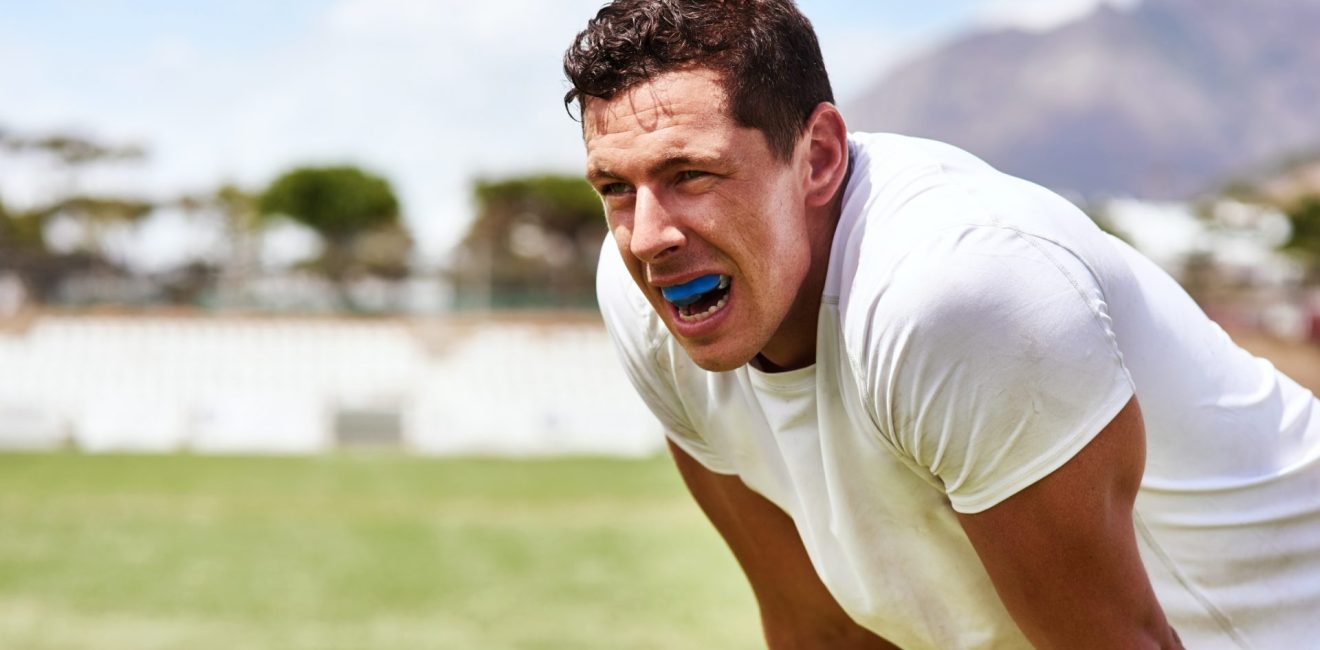
Sports are a great way to stay active, build strength, and have fun. However, many sports also involve falls, collisions, and impacts that can injure the teeth, gums, lips, cheeks, or jaw.
This is why dental protection for athletes is so important.
A properly fitted mouthguard creates a protective barrier around the teeth and can help reduce the risk of certain dental injuries. It can be especially useful during contact, collision, and high-impact sports.
Whether you play basketball, football, soccer, hockey, boxing, or another high-impact activity, wearing a sports mouthguard can be an important part of protecting your smile.
For athletes and families in Shanghai, PureSmile in Shanghai, China provides dental and orthodontic services with a focus on personalized care, prevention, and long-term oral health.
What Is a Sports Mouthguard?
A sports mouthguard is a protective device worn over the teeth during physical activity. It is designed to help cushion some of the force created by an impact.
A mouthguard can help protect:
- Teeth from direct impact
- Lips and cheeks from cuts
- Gums from trauma
- The mouth from some sports-related injuries
Mouthguards are particularly useful when athletes may collide with other players, equipment, or the ground.
Who Should Wear One?
Athletes involved in contact, collision, or high-impact sports should consider wearing a mouthguard.
Children and teenagers may also benefit because falls and collisions can happen while they are learning and developing sports skills.
Athletes with braces or other orthodontic appliances should ask their dentist or orthodontist about a mouthguard designed for their specific needs.
Which Sports Require a Mouthguard?
Mouthguards can be useful in many activities. Sports with a higher risk of contact, collision, or falls include:
- Basketball
- Football
- Soccer
- Hockey
- Boxing
- Martial arts
- Wrestling
- Cycling
- Skateboarding
- Other high-impact sports
The level of risk varies depending on the sport, age of the athlete, level of competition, and type of activity.
Even sports without intentional contact can result in dental injuries. A fall from a bicycle, for example, can cause a significant impact to the mouth.
Athletes should follow the safety recommendations for their particular sport and use all required protective equipment.
What Dental Problems Can Mouthguards Help Prevent?
A mouthguard cannot guarantee that an athlete will never experience a dental injury. However, it can help reduce the risk of certain injuries.
Broken or Chipped Teeth
A direct blow to the mouth can chip, crack, or fracture a tooth.
A mouthguard provides a layer of material between the teeth and the source of impact. This can help cushion some of the force and protect teeth during physical activity.
If a tooth becomes chipped or broken, it should be examined by a dentist even if there is little or no pain. Some fractures can extend deeper into the tooth than they appear from the outside.
Knocked-Out Teeth
A strong impact can completely dislodge a tooth.
Wearing a mouthguard can help reduce the risk of traumatic dental injuries, although it cannot completely prevent them.
A knocked-out permanent tooth is a dental emergency. The tooth should be handled carefully and kept moist while emergency dental care is arranged.
Tooth Displacement
An impact may cause a tooth to become loose or move out of its normal position.
A mouthguard can help protect against some of the forces that may cause tooth displacement.
If a tooth becomes loose or changes position after an impact, don’t try to push it back yourself. Contact a dentist promptly.
Lip and Cheek Injuries
During a collision, the lips or cheeks can be forced against the teeth.
This can cause cuts, bruising, or swelling. A mouthguard creates a protective barrier between the teeth and soft tissues, which can help reduce these injuries.
This protection can be particularly useful for athletes wearing braces.
Jaw Injuries
Mouthguards may also help absorb and distribute some forces around the mouth and jaw.
However, they should not replace helmets, face shields, or other protective equipment when those are required for a sport.
Types of Mouthguards for Athletes
There are three common types of mouthguards.
Stock Mouthguards
Stock mouthguards are pre-formed and ready to wear. They are usually inexpensive and easy to purchase.
The main limitation is fit. Because they are made in standard sizes, they may not fit securely or comfortably in every athlete’s mouth.
Boil-and-Bite Mouthguards
Boil-and-bite mouthguards are softened in hot water and then shaped around the teeth.
They can provide a more personalized fit than stock mouthguards, although the final result depends on how accurately the mouthguard is molded.
Custom-Fitted Mouthguards
A custom mouthguard is made by a dental professional using an impression or digital scan of the athlete’s mouth.
Because it is designed specifically for the individual, it can provide a precise fit and good retention.
This can make it more comfortable to wear during sports and reduce the need for constant adjustment.
Are Custom Mouthguards Better for Athletes?
A custom mouthguard can be a useful option for athletes who participate regularly in contact or collision sports.
Fit
A custom mouthguard is designed around the individual’s teeth and mouth. This can help it stay securely in place during activity.
Comfort
A well-fitted mouthguard may be less bulky and more comfortable than a poorly fitting standard option.
Comfort is important because athletes are more likely to wear protective equipment consistently when it feels comfortable.
Retention
A secure fit means the athlete is less likely to need to adjust the mouthguard during a game or training session.
Protection
A custom mouthguard can be designed to provide appropriate coverage based on the athlete’s dental needs. This can be particularly useful for people with braces or other dental considerations.
Cost
Custom mouthguards generally cost more than stock or boil-and-bite options.
The right choice depends on the athlete’s sport, frequency of participation, dental needs, and budget. Athletes who regularly participate in high-contact activities may want to discuss the available options with a dentist.
How Should You Care for a Sports Mouthguard?
Proper care helps keep a mouthguard clean and in good condition.
Clean It After Use
Rinse the mouthguard with cool or lukewarm water after wearing it. You can gently clean it with a soft toothbrush and follow the manufacturer’s cleaning instructions.
Avoid very hot water because heat can change the shape of some mouthguards.
Store It Properly
Keep the mouthguard in a clean, ventilated protective case when you’re not using it.
Allow it to dry before storing it to help reduce moisture buildup.
Inspect It Regularly
Check for:
- Cracks
- Tears
- Holes
- Thin or worn areas
- Changes in shape
- Chewing damage
A damaged mouthguard may not provide the same protection.
Replace It When Necessary
Replace your mouthguard if it becomes damaged, worn, or no longer fits properly.
Children and teenagers may also need replacements as their teeth and jaws grow. Athletes undergoing orthodontic treatment may need a new mouthguard as their teeth move.
Should Athletes Wear Mouthguards With Braces?
Yes. Athletes with braces should consider wearing an orthodontic mouthguard during sports, particularly during contact and collision activities.
Brackets and wires can increase the risk of cuts or irritation to the lips and cheeks during an impact.
An orthodontic mouthguard provides a protective layer between the braces and soft tissues. It should also have enough room to accommodate changes in tooth position during orthodontic treatment.
If you wear braces, speak with your orthodontist before choosing a mouthguard.
For athletes looking for the best orthodontist in Shanghai, consider factors such as orthodontic experience, available treatment options, modern technology, and whether the practice provides personalized advice for sports protection.
At PureSmile in Shanghai, China, patients can receive orthodontic consultations, dental examinations, preventive care, and personalized guidance for protecting their teeth during sports.
Dental Care for Athletes at PureSmile in Shanghai
Wearing a mouthguard is only one part of protecting your smile. Regular dental care can help identify cavities, gum problems, damaged teeth, and other oral health concerns.
PureSmile in Shanghai, China provides dental and orthodontic services for children, teenagers, and adults. Depending on your needs, care may include dental examinations, professional cleanings, restorative treatment, orthodontic consultations, and oral hygiene guidance.
Athletes can also discuss mouthguard options with their dental professional. A dentist or orthodontist can consider the athlete’s teeth, braces, bite, and type of sport when recommending dental protection.
When comparing providers and searching for the best dentist in Shanghai or best dental clinic in Shanghai, consider professional qualifications, experience, available services, technology, communication, and personalized care.
Frequently Asked Questions
Do all athletes need a mouthguard?
Not every sport has the same level of dental injury risk. However, mouthguards are particularly useful for contact, collision, and high-impact sports.
If you’re unsure whether you need one, ask your dentist or orthodontist about the risks associated with your sport.
How long does a sports mouthguard last?
There is no fixed lifespan for every mouthguard. It depends on how often it is used, the material, the amount of wear, and whether the athlete’s mouth changes.
Replace it when it becomes damaged, worn, or no longer fits properly. Growing children and teenagers may need replacements more often.
Are custom mouthguards worth it?
A custom mouthguard can provide a precise fit, good retention, and comfort. It generally costs more than stock and boil-and-bite options.
For athletes who frequently participate in contact sports or have specific dental needs, discussing a custom option with a dentist may be worthwhile.
Can you wear a mouthguard with braces?
Yes. Athletes with braces can wear specially designed orthodontic mouthguards.
Because teeth move during orthodontic treatment, the mouthguard may need to be adjusted or replaced as treatment progresses.
How should I clean a mouthguard?
Rinse it with cool or lukewarm water after use and gently clean it according to the manufacturer’s or dentist’s instructions. Let it dry before storing it in a ventilated protective case.
Avoid hot water unless the manufacturer specifically recommends it.
Conclusion
A mouthguard for sports is a simple and useful form of protection for many athletes. It can help reduce the risk of chipped or broken teeth, tooth displacement, and injuries to the lips and cheeks.
Stock, boil-and-bite, and custom-fitted mouthguards are available, with different levels of fit, comfort, and personalization. For athletes who participate regularly in contact sports, a custom mouthguard may be an option worth discussing with a dental professional.
Athletes with braces should also consider an orthodontic mouthguard to help protect their lips and cheeks from brackets and wires during impacts.
Good dental protection for athletes goes beyond wearing a mouthguard. Regular dental checkups, proper protective equipment, and good oral hygiene all help support a healthy smile.
If you’re looking for dental or orthodontic care in Shanghai, PureSmile in Shanghai, China provides personalized dental and orthodontic services for patients with different oral health needs.
Whether you’re searching for the best orthodontist in Shanghai, best dentist in Shanghai, or best dental clinic in Shanghai, look for a qualified dental team that can provide appropriate preventive care and personalized recommendations for your lifestyle and activities.


