
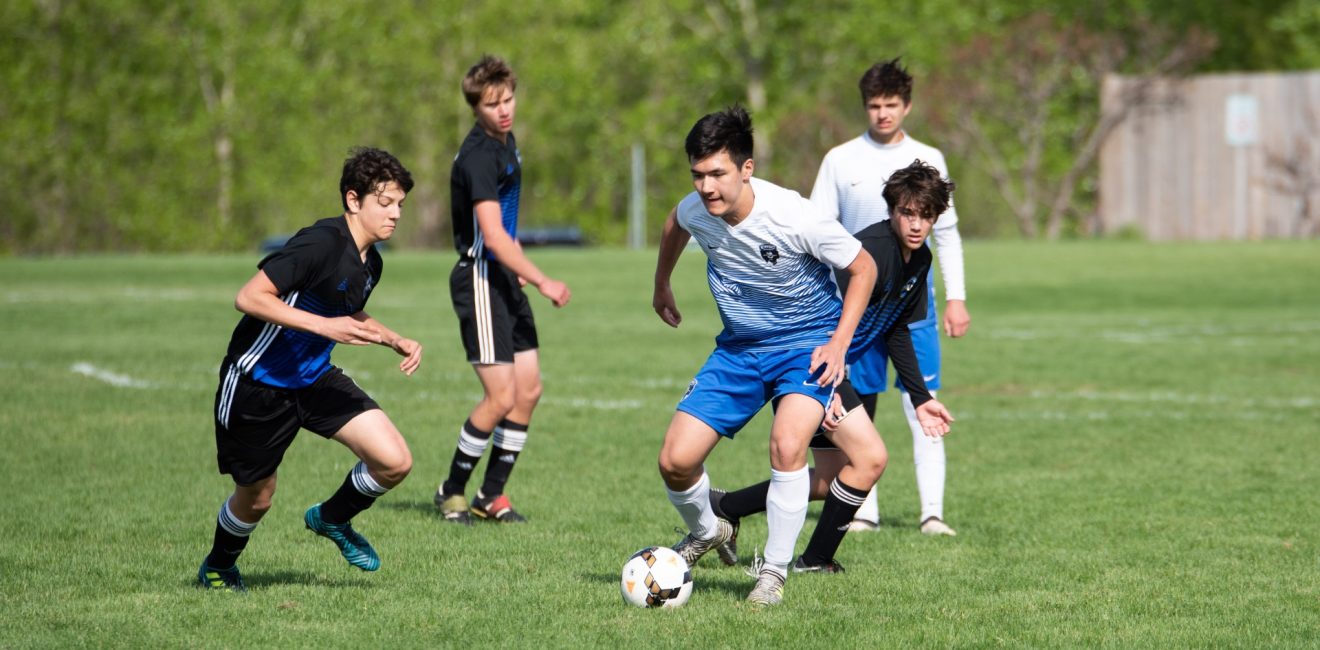
Sports are a great way to stay active, build strength, and have fun. However, contact sports and high-impact activities can also increase the risk of injuries to the teeth, gums, lips, and jaw.
A fall, collision, or direct hit to the face can result in anything from a small chip to a completely knocked-out tooth. These dental injuries in sports can happen to children, teenagers, and adults alike.
Knowing how to respond after an injury is important. Quick action can reduce pain, protect the damaged tooth, and sometimes improve the chances of saving a knocked-out permanent tooth.
The good news is that many sports mouth injuries can be prevented with the right protective equipment and regular dental care.
What Are Sports-Related Dental Injuries?
Sports-related dental injuries are injuries to the teeth, gums, lips, cheeks, jaw, or other structures in and around the mouth that occur during physical activity.
They can happen in both contact and non-contact sports.
Contact Sports
Sports such as football, hockey, boxing, martial arts, and basketball involve frequent contact or collisions. Athletes may be hit by another player, equipment, or the ground.
Non-Contact and High-Impact Sports
A dental injury can also happen during activities that don’t involve direct player-to-player contact. Cycling, skateboarding, gymnastics, and other activities can cause falls or impacts that injure the mouth.
Who Is Most at Risk?
Anyone participating in sports can experience a dental injury. Children and teenagers may be particularly vulnerable because they are still developing coordination and learning sports techniques.
Athletes who participate regularly in contact or high-impact activities should consider appropriate dental protection, especially a properly fitted mouthguard.
5 Most Common Dental Injuries in Sports
Chipped or Fractured Teeth
A direct impact can chip or fracture a tooth. A small chip may only affect the enamel, while a deeper fracture can expose the inner layers of the tooth.
A broken tooth from sports may cause:
- Pain
- Sensitivity to hot or cold
- Sharp edges
- Difficulty chewing
- Bleeding if the injury reaches deeper tissues
Even if a chipped tooth doesn’t hurt, it should be examined by a dentist because there may be a hidden crack or deeper damage.
Knocked-Out Teeth
A tooth can be completely knocked out after a strong impact.
A knocked-out permanent tooth is a dental emergency. Acting quickly is important because prompt treatment may improve the chances of saving the tooth.
If a permanent tooth is knocked out, handle it carefully by the crown—the part normally visible in the mouth—and avoid touching the root.
If possible, gently rinse it with clean water without scrubbing it. If you can safely place it back into its socket, do so carefully. If that isn’t possible, keep it moist in milk or an appropriate tooth-preservation solution and seek emergency dental care immediately.
A knocked-out baby tooth should not be placed back into the socket because doing so could damage the developing permanent tooth.
Loose or Displaced Teeth
An impact can cause a tooth to become loose or move from its normal position.
A displaced tooth may require repositioning and stabilization by a dental professional. Don’t try to force a loose or displaced tooth back into position yourself.
Tooth Root Injuries
Some sports injuries affect the root or tissues supporting the tooth without causing an obvious fracture.
Symptoms can include pain when biting, increased sensitivity, swelling, or tooth mobility.
Dental X-rays may be needed to determine whether the root or surrounding bone has been affected.
Soft-Tissue Injuries to the Lips, Cheeks, and Gums
A blow to the face can cause cuts, bruising, or swelling of the lips, cheeks, and gums.
A mouthguard can help protect soft tissues by creating a protective barrier between the teeth and surrounding tissues.
If bleeding is heavy or does not stop with gentle pressure, seek medical or dental attention promptly.
Which Sports Cause the Most Dental Injuries?
Dental injuries can occur in many activities, particularly those involving contact, falls, or high-speed movement.
Sports where athletes may face an increased risk of facial or dental trauma include:
- Basketball
- Football
- Soccer
- Hockey
- Martial arts
- Boxing
- Cycling
- Skateboarding
- Other high-impact activities
Risk can vary depending on the age of the athlete, level of competition, protective equipment, and nature of the activity.
Athletes should follow the safety recommendations for their specific sport and use appropriate protective equipment.
What Should You Do After a Dental Injury?
Knowing basic first aid can help you respond calmly after an accident.
Immediate First Aid
After an injury:
- Stop the activity and assess the injury.
- Rinse your mouth gently with clean water.
- If there is bleeding, apply gentle pressure with clean gauze.
- Use a cold compress on the outside of the face to help reduce swelling.
- Check for broken or missing teeth.
- Contact a dentist if there is tooth damage, significant pain, or other concerning symptoms.
What to Do With a Knocked-Out Permanent Tooth
If a permanent tooth has been knocked out, time matters.
Hold the tooth only by the crown. Don’t scrub or scrape the root.
If it can be safely placed back into the socket, gently reposition it. If this isn’t possible, keep it moist in milk or a tooth-preservation solution and seek emergency dental care immediately.
Do not let the tooth dry out.
When to See an Emergency Dentist
Seek urgent dental care for:
- A knocked-out permanent tooth
- Severe tooth pain
- Significant bleeding
- A badly fractured tooth
- A displaced tooth
- Facial swelling
- A suspected jaw injury
What Not to Do
Avoid:
- Scrubbing a knocked-out tooth
- Touching its root unnecessarily
- Using household glue on a broken tooth
- Trying to force a displaced tooth into position
- Delaying care when a permanent tooth has been knocked out
How Can Athletes Prevent Dental Injuries?
Prevention is often easier than treatment.
Custom-Fitted Mouthguards
A properly fitted mouthguard for athletes can help protect the teeth, lips, cheeks, and gums from impact.
Mouthguards are particularly important for contact and collision sports.
Properly Fitted Helmets and Protective Equipment
Depending on the activity, athletes may also need helmets, face shields, or other protective equipment.
Make sure equipment fits correctly and is appropriate for the sport.
Regular Dental Checkups
Regular dental visits can identify cavities, weakened teeth, gum problems, and other issues that may affect oral health.
Your dentist can also provide advice about protecting your teeth during sports.
Follow Sport-Specific Safety Guidelines
Follow the safety rules established by your school, club, sports organization, or governing body.
Protective equipment works best when it is worn consistently and correctly.
Custom Mouthguards vs. Store-Bought Mouthguards
Not all mouthguards provide the same fit and comfort.
Fit
A custom mouthguard is made specifically for your mouth by a dental professional. This can provide a more precise fit than a standard store-bought option.
Comfort
A well-fitted mouthguard can be more comfortable and less likely to interfere with speaking or breathing.
Protection
Both properly fitted stock or boil-and-bite mouthguards and custom options can provide protection. A custom mouthguard may be particularly useful for athletes who need a precise fit or have specific dental requirements.
When Should Athletes Consider a Custom Mouthguard?
A custom mouthguard may be worth considering if:
- You participate regularly in contact sports.
- You have braces or other orthodontic appliances.
- You find standard mouthguards uncomfortable.
- Your dentist recommends one based on your individual needs.
When Should You See a Dentist After a Sports Injury?
Not every sports injury is immediately obvious.
Arrange a dental examination if you experience:
- Persistent tooth pain
- Bleeding that doesn’t stop
- Tooth mobility
- Facial or gum swelling
- Increased tooth sensitivity
- Pain when biting
- A chipped or broken tooth
- A change in your bite
- Facial trauma
Even when a tooth looks normal, an impact can sometimes damage the tissues inside it. A dental examination can help identify injuries that aren’t visible from the outside.
At PureSmile, a dental and orthodontic clinic in Shanghai, China, patients can receive examinations, restorative dental care, orthodontic services, and personalized guidance for protecting their teeth during sports. For patients searching for the best dental clinic in Shanghai, factors such as professional experience, modern diagnostic equipment, preventive care, and emergency dental support are useful considerations.
Frequently Asked Questions
What is the most common dental injury in sports?
Dental injuries can vary by sport and age, but chipped or fractured teeth, tooth displacement, and soft-tissue injuries are common types of sports-related dental trauma.
Which sports cause the most dental injuries?
Contact and collision sports such as football, hockey, boxing, martial arts, and basketball can carry a higher risk of dental trauma. However, falls during activities such as cycling and skateboarding can also cause significant injuries.
Can a mouthguard prevent a tooth from breaking?
A mouthguard cannot guarantee that a tooth will never be injured, but it can help absorb and distribute some of the force from an impact. This can reduce the risk of dental and soft-tissue injuries.
What should I do if my tooth gets knocked out?
If a permanent tooth is knocked out, handle it by the crown and avoid touching the root. If possible, gently place it back into the socket. Otherwise, keep it moist in milk or an appropriate tooth-preservation solution and seek emergency dental care immediately.
Do not attempt to reinsert a knocked-out baby tooth.
How quickly should a knocked-out tooth be treated?
A knocked-out permanent tooth should be treated as quickly as possible. The sooner you receive emergency dental care, the better the chance of successful treatment.
Sports provide many physical and social benefits, but they can also put athletes at risk of dental injuries in sports. Chipped teeth, knocked-out teeth, loose teeth, root injuries, and soft-tissue damage can happen during both contact and high-impact activities.
Knowing what to do after an injury is important. If a tooth is knocked out, quick action is especially important. Keeping the tooth moist and seeking emergency dental care immediately can improve the chances of successful treatment.
Prevention is equally important. Wearing a properly fitted mouthguard, using appropriate protective equipment, following sport-specific safety guidelines, and maintaining regular dental checkups can help athletes protect their smiles.
If you experience a sports mouth injury, don’t ignore pain, sensitivity, swelling, bleeding, or tooth movement—even if the damage seems minor.
At PureSmile in Shanghai, China, dental professionals can assess sports-related tooth injuries and provide appropriate restorative and preventive care. Whether you need an examination after an accident or guidance on protecting your teeth during sports, professional dental advice can help keep your smile healthy while you stay active.


