
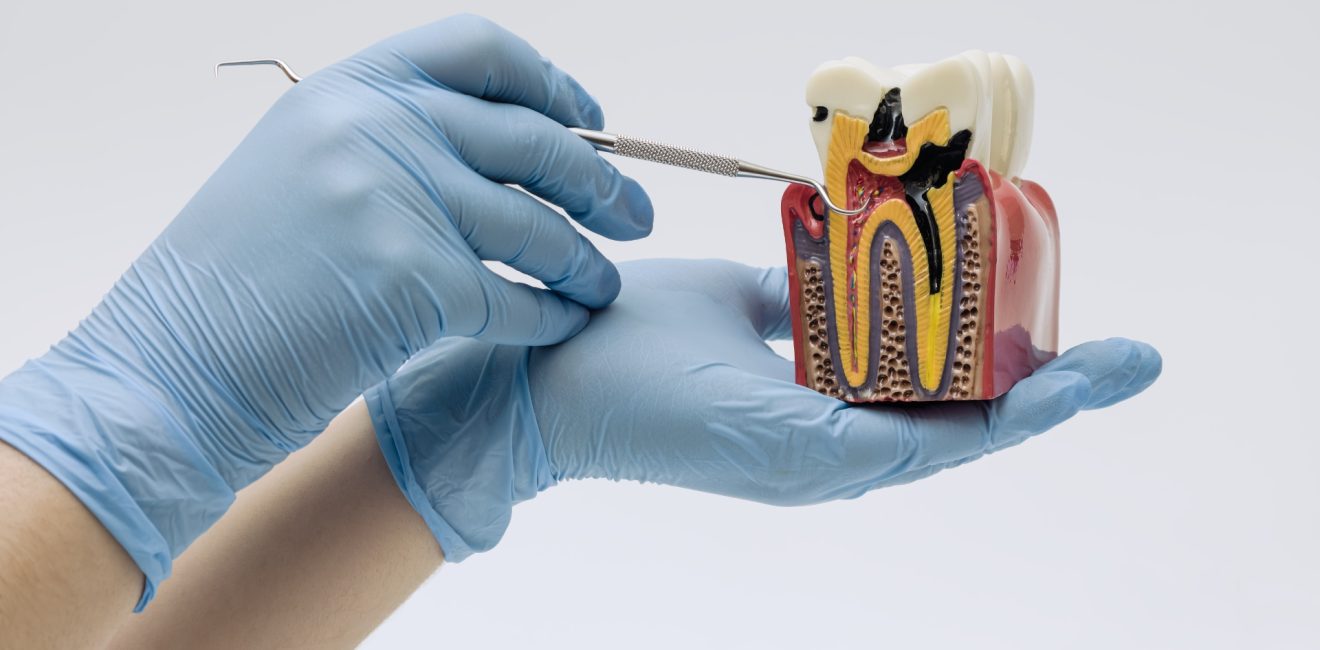
What causes cavities, and how can you prevent them? Learn the real science behind tooth decay and the daily habits that actually work.
Cavities are caused by acid-producing bacteria that feed on sugar and starch left on your teeth, gradually breaking down enamel until a hole forms. The main risk factors are frequent sugar exposure, inconsistent brushing and flossing, dry mouth, and skipping regular checkups where small problems can be caught early. This guide breaks down exactly how cavities form, what actually prevents them, and how our best dentist in Shanghai and PureSmile Orthodontics & Dentistry helps patients stop decay before it starts.
Key Takeaways
- Untreated tooth decay in permanent teeth is the single most common health condition worldwide, affecting an estimated 2.24 billion people — Global Burden of Disease study, 2025.
- Nearly 3.7 billion people globally are affected by oral diseases overall, with cavities accounting for the majority of cases — World Health Organization, 2025.
- 1 in 5 adults aged 20–64 in the US currently has at least one untreated cavity — CDC, 2024.
- Cavity risk in China has been rising, with projections showing the incidence of caries in permanent teeth continuing to climb through 2039 without stronger prevention efforts — Global Burden of Disease China analysis, 2025.
- PureSmile Orthodontics & Dentistry combines routine exams, X-ray diagnostics, and preventive cleanings to catch decay while it’s still reversible, rather than after a cavity has already formed.
What actually causes cavities?
Cavities form when bacteria in your mouth feed on sugar and starch, producing acid that slowly dissolves tooth enamel until a hole develops. This process, called demineralization, happens every time you eat something sugary or starchy — your saliva can neutralize and repair minor acid attacks, but frequent snacking or poor brushing doesn’t give your mouth enough recovery time between exposures. Left unaddressed, this repeated cycle is why untreated caries remains the most common health condition on earth, affecting an estimated 2.24 billion people globally.
What increases your risk of getting cavities?
The biggest risk factors are frequent sugar or starch consumption, inconsistent brushing and flossing, dry mouth (from medication or dehydration), and skipping regular dental checkups where early decay can be caught before it becomes a full cavity. Genetics and enamel strength play a role too, but they’re far less controllable than daily habits — which is why prevention strategies focus almost entirely on diet and hygiene. Patients with orthodontic appliances like braces are also at higher risk, since brackets and wires make it easier for plaque to accumulate in spots a regular toothbrush can miss.
How can you actually prevent cavities?
The most effective prevention combines brushing twice daily with fluoride toothpaste, flossing once a day, limiting frequent sugar exposure, and keeping up with regular dental checkups where a dentist can catch early decay before it progresses. Fluoride specifically helps re-mineralize enamel that’s been weakened by acid attacks, which is why it remains the foundation of most prevention guidance worldwide. Dental sealants — a thin protective coating applied to the chewing surfaces of back teeth — are another proven prevention tool, particularly effective for children and teenagers whose molars have deep grooves where food and bacteria collect.
Are some foods worse for your teeth than others?
Yes — foods and drinks high in sugar or refined starch, and especially anything that lingers on your teeth (candy, soda, crackers, dried fruit), do more damage than foods that clear from your mouth quickly. It’s not just the amount of sugar that matters but the frequency of exposure, since each sugar hit triggers a fresh acid attack; grazing on sweets throughout the day is worse for your teeth than eating the same amount in one sitting. Rinsing with water or chewing sugar-free gum after eating can help reduce this effect between brushings.
How does PureSmile help prevent cavities before they start?
PureSmile’s approach centers on catching decay early through routine exams, digital X-rays, and professional cleanings, combined with personalized guidance on diet and home care based on each patient’s actual risk factors. Rather than waiting for a cavity to cause pain, PureSmile’s American-trained dentists identify weak spots in enamel while they’re still reversible with fluoride treatment, avoiding the need for a filling altogether. For patients in orthodontic treatment, the team also builds cavity prevention directly into the care plan, since braces and aligners require closer monitoring of plaque buildup.
FAQ
Q: Can a cavity heal on its own without a filling?
A: Very early decay (before a cavity has actually formed) can sometimes be reversed with fluoride and improved hygiene, but once a true cavity has formed, it requires a filling or other restorative treatment.
Q: Is sugar-free candy safe for your teeth?
A: Sugar-free candy is generally better than sugary options since it doesn’t feed decay-causing bacteria the same way, but frequent snacking of any kind — sugar-free or not — can still contribute to enamel wear over time.
Q: Do adults get cavities as often as children?
A: Yes — adults are actually at higher risk for untreated cavities than young children, with CDC data showing untreated decay peaking around ages 20–34.
Q: Are dental sealants worth getting as an adult?
A: Sealants are most commonly recommended for children and teenagers, but adults with deep grooves in their molars and no existing fillings can also benefit from them.
Q: How quickly can a cavity go from small to serious?
A: This varies by person, but early decay can progress to a cavity requiring a root canal within months if left untreated, which is why regular checkups matter more than waiting for pain.
Q: Does drinking water help prevent cavities?
A: Yes — water (especially fluoridated water) helps rinse away food particles and neutralize acid between meals, making it one of the simplest daily habits for cavity prevention.
Cavities are largely preventable once you understand what actually causes them: bacteria, sugar, and time without enough recovery for your enamel. Consistent brushing and flossing matter, but catching early decay before it becomes a full cavity is where a dentist makes the real difference. PureSmile Orthodontics & Dentistry combines preventive exams, modern imaging, and personalized guidance so patients catch problems while they’re still reversible — not after they’ve turned into something that needs a drill.
Ready to Get Ahead of Tooth Decay?
Don’t wait for a cavity to cause pain before booking a checkup. Schedule your consultation today at our Jinqiao (Pudong), Jing’an, or Minhang clinic and let PureSmile’s team catch problems early with a full exam and personalized prevention plan.


