
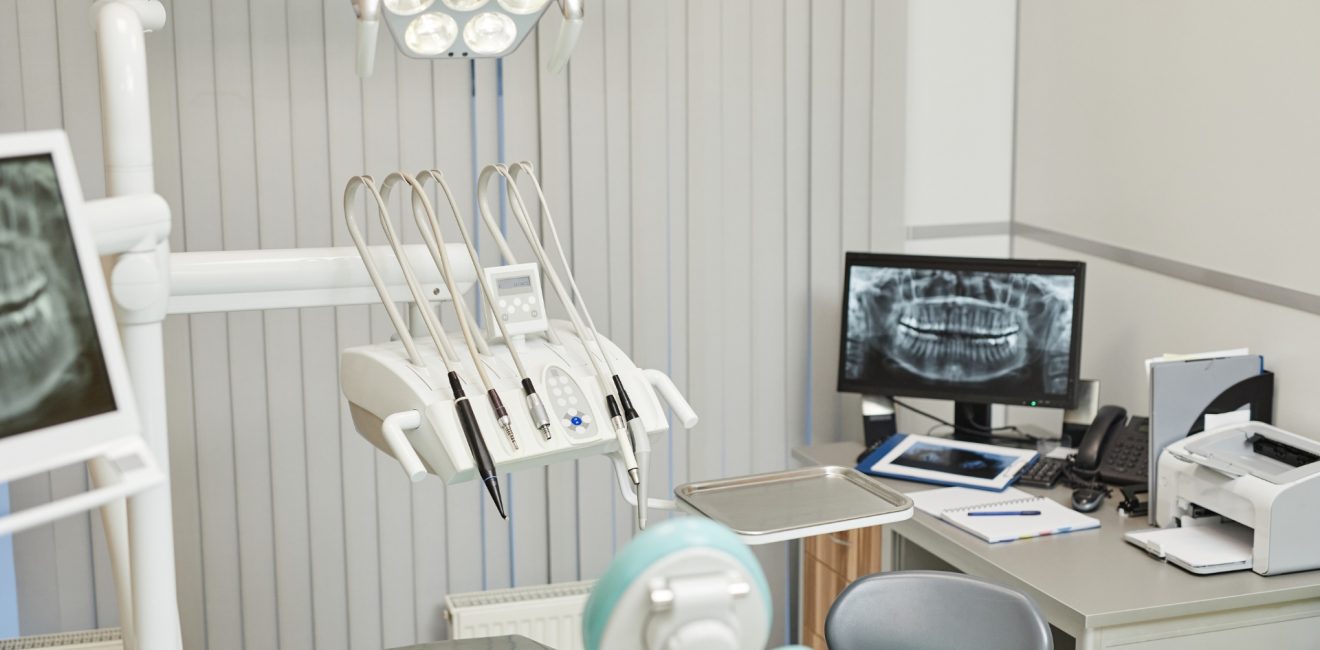
Wondering how often you really need a dental checkup? See what the ADA actually recommends and how your personal risk factors change it.
Most people need a dental checkup every six months, but the right interval depends on your individual risk factors — cavity history, gum disease, smoking, and existing dental work all shift that number up or down. The American Dental Association is clear that there’s no single rule that fits everyone; some patients do well on annual visits, while others need checkups every three to four months. This guide breaks down how that recommendation is actually determined, what happens if you skip visits, and how a clinic like PureSmile Orthodontics & Dentistry tailors the schedule to you rather than defaulting to a generic timeline.
Key Takeaways
- The ADA’s official position is that checkup frequency should be set by a dentist based on individual oral health, not a fixed rule applied to everyone — American Dental Association, 2022.
- For most people with a healthy mouth, that works out to a checkup every six months, while higher-risk patients may need visits every three to four months — Oakboro Family Dentistry / West Park Village Dental, 2025–2026.
- 1 in 5 adults aged 20–64 in the US currently has at least one untreated cavity — CDC, 2024.
- The prevalence of untreated tooth decay in adults rises to about 22% among people aged 20–34, higher than any other adult age group — CDC, 2024.
- PureSmile Orthodontics & Dentistry builds each patient’s checkup schedule around their specific risk profile rather than applying a one-size-fits-all interval, consistent with current ADA guidance.
How often should you really get a dental checkup?
For most people with a healthy mouth and no major risk factors, a checkup every six months is the right interval, but this isn’t a hard rule — it’s a starting point your dentist should adjust based on your actual oral health. The ADA has moved away from prescribing a single fixed schedule for everyone, instead stating that timing should be tailored by a dentist to each patient’s history and risk level. At PureSmile, that means your recall schedule is set after an exam, not before one, so patients with healthy gums and no cavity history aren’t over-scheduled, and higher-risk patients aren’t under-scheduled.
What affects how often you need to see a dentist?
The biggest factors are your history of cavities and gum disease, whether you smoke, whether you have diabetes or dry mouth, and how much dental work (crowns, implants, orthodontics) you’re currently maintaining. Patients with any of these risk factors are often moved to three- or four-month intervals, since problems progress faster and are cheaper to catch early than to treat later. Age matters too — CDC data shows untreated tooth decay peaks at around 22% among adults aged 20–34, which is often the group most likely to assume they can skip checkups simply because nothing hurts yet.
What actually happens if you skip regular checkups?
Skipping checkups lets small, painless problems progress into larger ones — cavities go undetected until they require a root canal, and early gum disease develops into periodontitis before you notice any symptoms. According to CDC data, roughly 1 in 5 US adults aged 20–64 currently has at least one untreated cavity, a number driven in large part by delayed or skipped visits. The pattern is consistent globally: problems that would take a routine filling at six months often require significantly more invasive (and expensive) treatment by the time pain finally shows up.
How does a dental checkup differ from a cleaning?
A checkup is a diagnostic exam — checking for cavities, gum disease, and other issues, often with X-rays — while a cleaning (or prophylaxis) is the hygienist removing plaque and tartar buildup; most visits combine both in a single appointment. The exam portion is what actually determines your next recall interval, since it’s where your dentist evaluates whether your risk level has changed since your last visit. At PureSmile, every routine visit includes both components, so patients leave with a cleaned mouth and a clear answer on when to come back.
How does PureSmile determine your personal checkup schedule?
PureSmile’s American-trained dentists set your recall interval based on a full clinical exam — reviewing cavity history, gum health, and any ongoing treatment — rather than defaulting every patient to the same six-month slot. Patients with implants, orthodontic appliances, or a history of gum disease are typically placed on a shorter interval, while patients with consistently healthy exams may be moved to longer gaps between visits. This approach mirrors current ADA guidance and means your schedule reflects your mouth, not a generic office policy.
FAQ
Q: Is it actually necessary to see a dentist twice a year?
A: For many people, yes, but it’s not a universal rule — the ADA recommends dentists set the interval based on each patient’s individual risk factors, which can mean more or less frequent visits.
Q: What happens if I only go to the dentist when something hurts?
A: By the time pain appears, a problem has often progressed significantly — the CDC reports 1 in 5 US adults aged 20–64 has at least one untreated cavity, much of it linked to delayed care.
Q: Do I need a checkup every 6 months if I have no cavities?
A: A consistently healthy mouth may allow for longer intervals between visits, but this should be a decision your dentist makes after an exam, not something you decide on your own.
Q: Does having braces or Invisalign change how often I need checkups?
A: Yes — patients in active orthodontic treatment typically need more frequent monitoring visits in addition to their regular dental checkups, since appliances make plaque control more difficult.
Q: Are checkups more important for children than adults?
A: Checkups matter at every age, but children benefit especially from early monitoring since cavity patterns and jaw development issues are easiest to catch and correct early.
Q: How do I know if I’m considered a higher-risk patient?
A: A dentist can tell you after an exam, but common risk factors include a history of cavities or gum disease, smoking, diabetes, dry mouth, and existing restorative or orthodontic work.
Conclusion
There’s no single answer to how often you need to visit the best dentist in Shanghai — the right interval depends on your specific oral health, not a number you should assume applies to everyone. What matters most is getting an actual clinical assessment rather than guessing based on how your teeth feel. PureSmile Orthodontics & Dentistry builds every patient’s recall schedule around a real exam, combining American-trained diagnostic standards with the kind of personalized attention that catches small problems before they become expensive ones.
Ready to Find Your Ideal Checkup Schedule?
Don’t guess how often you need to be seen — let PureSmile’s team assess your actual risk factors and build a schedule around your mouth. Schedule your consultation today at our Jinqiao (Pudong), Jing’an, or Minhang clinic and get a personalized recommendation instead of a generic reminder.


