
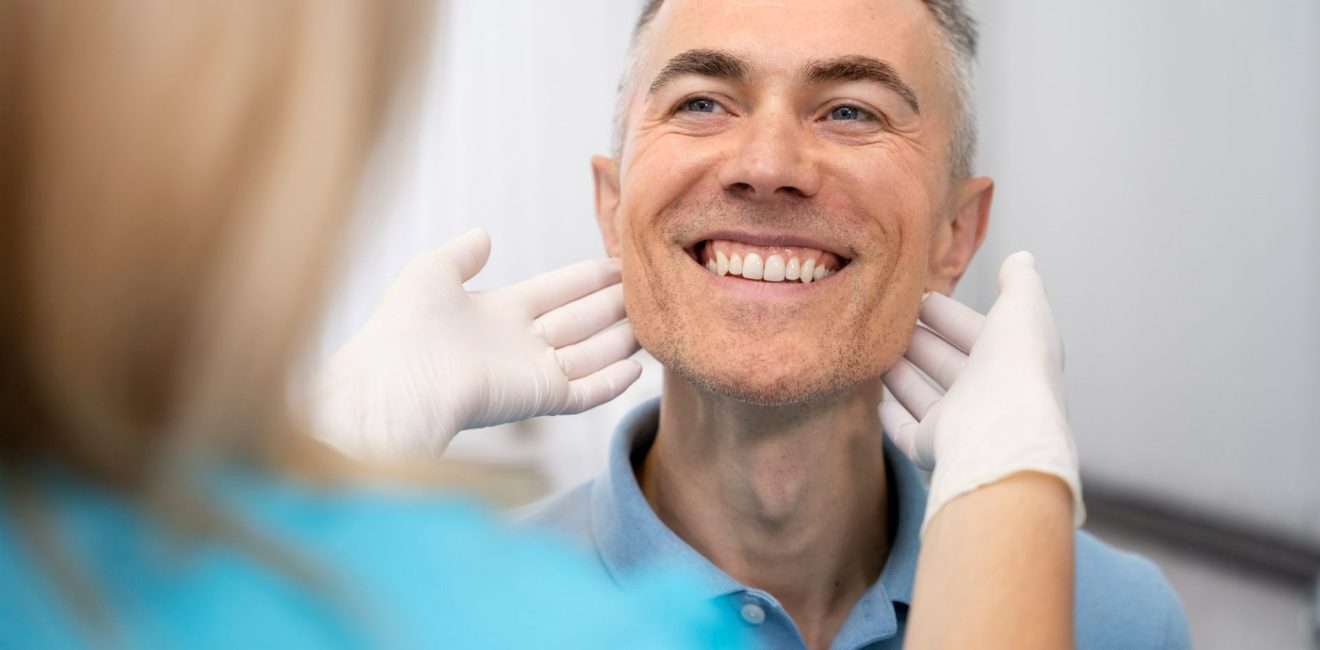
Discover how saliva protects your teeth and learn effective ways to boost natural saliva production for better oral health. Expert tips from dental professionals.
Key Takeaways
- Saliva plays a crucial role in protecting your teeth from decay and maintaining oral health
- Natural saliva production can be enhanced through simple lifestyle changes
- Dry mouth increases your risk of dental problems and gum disease
- Regular dental checkups help monitor your oral health and saliva production
- Proper hydration and diet significantly impact saliva quality and quantity
Your mouth produces about 1.5 liters of saliva every day, yet most people don’t realize how vital this clear liquid is for their oral health. Saliva does much more than just help you swallow food – it’s your mouth’s natural defense system against tooth decay, gum disease, and other oral health problems.
Understanding how saliva works and learning to boost its production can dramatically improve your dental health. Whether you’re dealing with dry mouth or simply want to maintain optimal oral hygiene, this guide will show you exactly how saliva protects your teeth and what you can do to support your body’s natural processes.
How Saliva Acts as Your Mouth’s Natural Guardian
Saliva serves as your mouth’s first line of defense against harmful bacteria and acids. This remarkable fluid contains special proteins, enzymes, and minerals that work together to keep your teeth and gums healthy.
When you eat or drink, especially sugary or acidic foods, harmful bacteria in your mouth feed on these substances and produce acids. These acids attack your tooth enamel, the hard outer layer of your teeth, potentially leading to cavities and decay. Saliva neutralizes these acids and helps restore the natural pH balance in your mouth.
The protective proteins in saliva also coat your teeth with a thin film that acts like a shield. This protective layer makes it harder for bacteria to stick to your teeth and form plaque, the sticky substance that can lead to tooth decay and gum disease.
The Amazing Ways Saliva Protects Your Teeth
Natural Cleansing Action
Your saliva constantly flows through your mouth, washing away food particles, bacteria, and debris. This natural rinsing action helps prevent the buildup of harmful substances that could damage your teeth and gums. Without adequate saliva flow, these particles would remain in your mouth much longer, increasing your risk of dental problems.
Acid Neutralization
When bacteria break down sugars and starches from food, they produce acids that can erode tooth enamel. Saliva contains bicarbonate, which acts like a natural antacid to neutralize these harmful acids. This process, called buffering, helps maintain a healthy pH level in your mouth and prevents acid erosion of your teeth.
Remineralization Process
One of saliva’s most impressive functions is its ability to repair early stages of tooth decay. Saliva contains calcium, phosphate, and fluoride that can actually restore minerals to weakened tooth enamel. This process, called remineralization, can reverse very early cavities before they become permanent damage.
Understanding the Consequences of Dry Mouth
When your mouth doesn’t produce enough saliva, a condition called xerostomia or dry mouth occurs. This condition significantly increases your risk of dental problems because your mouth loses its natural protection against bacteria and acids.
People with dry mouth often experience increased tooth decay, gum disease, bad breath, and difficulty eating or swallowing. They may also develop oral infections more easily since saliva contains antibacterial properties that help fight harmful microorganisms.
Certain medications, medical conditions, and treatments can reduce saliva production. If you’re experiencing persistent dry mouth, it’s important to consult with a dental professional who can help identify the cause and recommend appropriate treatments.
Natural Ways to Boost Your Saliva Production
Stay Properly Hydrated
The simplest way to support healthy saliva production is to drink plenty of water throughout the day. Dehydration directly affects saliva production, so maintaining proper fluid intake is essential for optimal oral health.
Aim for at least 8 glasses of water daily, and increase this amount if you’re physically active or live in a hot climate. Water not only helps your body produce saliva but also helps rinse away food particles and bacteria between meals.
Choose Saliva-Stimulating Foods
Certain foods naturally encourage saliva production. Foods that require more chewing, such as raw vegetables, fruits, and nuts, stimulate your salivary glands through the mechanical action of chewing.
Tart or sour foods like citrus fruits, pickles, and cranberries can also trigger increased saliva production. However, be mindful of acidic foods and rinse with water afterward to protect your tooth enamel.
Practice Good Oral Hygiene
Regular brushing and flossing help maintain a healthy oral environment that supports normal saliva function. When your mouth is clean and free from excessive bacteria, your saliva can work more effectively to protect your teeth.
Use fluoride toothpaste to provide additional protection for your teeth, and consider using an alcohol-free mouthwash that won’t dry out your mouth.
Professional Dental Care and Saliva Health
Regular visits to a qualified dentist are essential for maintaining optimal oral health and monitoring your saliva production. Dental professionals can identify early signs of dry mouth and recommend appropriate treatments before serious problems develop.
For residents of Shanghai seeking comprehensive dental care, PureSmile offers expert dental and orthodontic services with a focus on preventive care and patient education. Their experienced team understands the importance of saliva in oral health and can provide personalized recommendations for maintaining optimal oral hygiene.
A dentist in Shanghai or anywhere else can perform saliva flow tests to evaluate your mouth’s natural protective abilities and suggest treatments if needed. They can also recommend specific products or techniques to help boost saliva production if you’re experiencing dry mouth symptoms.
Lifestyle Factors That Affect Saliva Production
Avoid Mouth-Breathing
Breathing through your mouth instead of your nose can dry out your oral tissues and reduce saliva’s effectiveness. If you notice you’re breathing through your mouth, especially at night, consider addressing any underlying nasal congestion or consulting with a healthcare provider about possible solutions.
Limit Alcohol and Caffeine
Both alcohol and caffeine can contribute to dehydration and reduce saliva production. While you don’t need to eliminate these substances entirely, moderation is key to maintaining healthy saliva flow.
Manage Stress Levels
Chronic stress can affect your body’s ability to produce adequate saliva. Practice stress-reduction techniques such as deep breathing, meditation, or regular exercise to support overall health, including oral health.
Frequently Asked Questions
Q: How do I know if I have enough saliva? A: Signs of adequate saliva include comfortable swallowing, moist mouth tissues, and the ability to speak clearly without difficulty. If your mouth feels consistently dry, sticky, or uncomfortable, you may have reduced saliva production.
Q: Can medications affect my saliva production? A: Yes, many common medications can reduce saliva production, including antihistamines, decongestants, antidepressants, and blood pressure medications. If you suspect your medication is causing dry mouth, consult with your doctor about possible alternatives.
Q: Are there any foods I should avoid to protect my saliva function? A: Limit very salty, spicy, or acidic foods if they cause mouth irritation. Also, reduce consumption of sticky or sugary foods that can promote bacterial growth and require more saliva to neutralize acids.
Q: How often should I see a dentist to monitor my oral health? A: Most dental professionals recommend visits every six months for routine cleanings and checkups. However, if you have dry mouth or other oral health concerns, more frequent visits may be necessary.
Q: Can chewing gum really help increase saliva production? A: Yes, chewing sugar-free gum can stimulate saliva production through the mechanical action of chewing. Look for gum containing xylitol, which has additional benefits for oral health.
Taking Action for Better Oral Health
Your saliva is one of your body’s most important tools for maintaining oral health, yet it’s often overlooked until problems arise. By understanding how saliva protects your teeth and taking steps to support healthy production, you can significantly reduce your risk of dental problems and maintain a healthier mouth.
Remember that small changes in your daily routine can make a big difference in your oral health. Stay hydrated, choose foods that stimulate saliva production, maintain good oral hygiene, and don’t skip regular dental checkups.
If you’re experiencing persistent dry mouth or have concerns about your oral health, don’t wait to seek professional help. A qualified dental professional can evaluate your individual situation and provide personalized recommendations to help you maintain optimal oral health for years to come.
Taking care of your saliva production is taking care of your overall oral health – and that’s an investment in your long-term well-being that pays dividends every day.


