
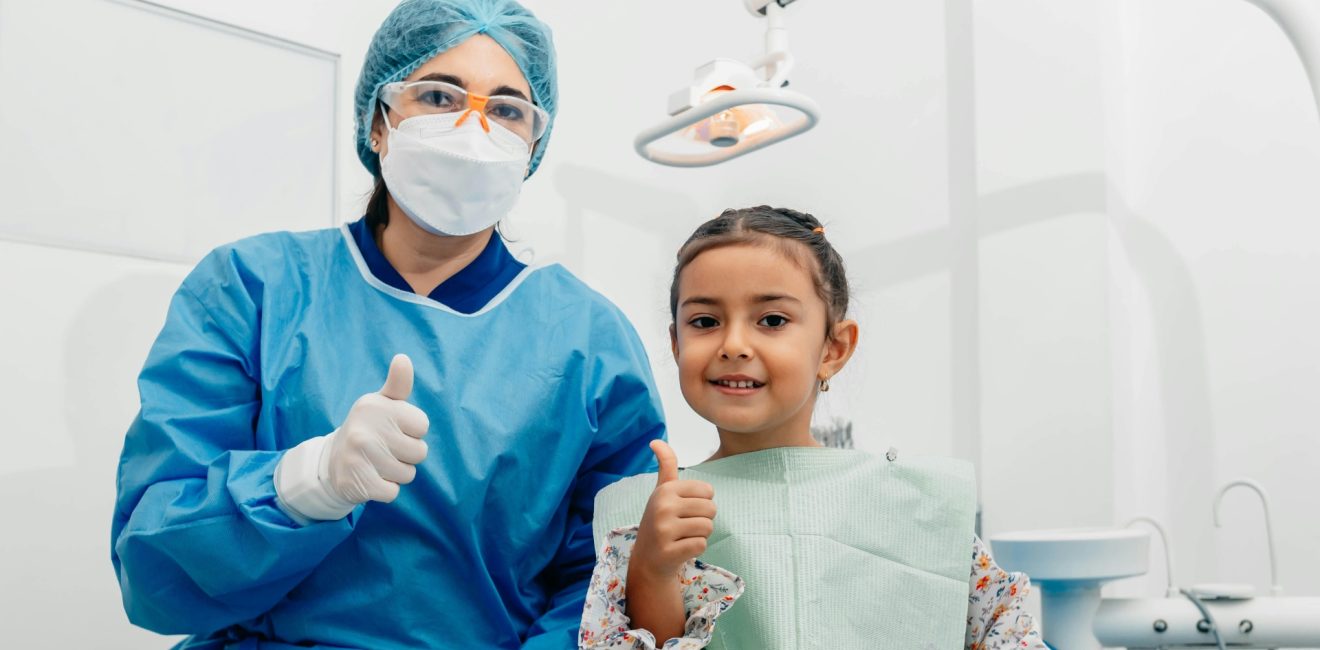
It started with my nephew, a sweet six-year-old, bolting down the hallway of our family dentist’s office as if pursued by a swarm of bees. His fear? Not monsters—just the dental chair. I used to think these scenes were pure comedy until I learned that nearly a third of kids are just as spooked by the dentist as my nephew. This weird mix of dread and drama inspires my deep dive: why are some kids angelic in the dental chair while others morph into mini-escape artists? Turns out, there’s much more going on than meets the eye, and if you’re in Shanghai, you’ll want to know how clinics like PureSmile make all the difference.
First Dental Visits: The Wild Card No One Prepares For
When it comes to first dental visit behavior, the reality is often more unpredictable than parents or even dental professionals expect. According to a 2024 study published in Children (Alamoudi et al.), nearly three times as many children are uncooperative during their first-ever dental appointment compared to those with prior experience (AOR: 2.852; p = 0.004). These findings highlight just how critical first impressions are in shaping pediatric dental behavior.
Statistical analysis from the study, which observed 439 children aged 4 to 12 at King Abdulaziz University’s Dental Hospital, revealed that 27.3% of children displayed uncooperative behavior during dental visits. The numbers become even more striking in emergency dental clinics for children: a staggering 60.8% of kids showed negative behavior in emergencies, compared to 39.2% in regular, scheduled clinics. This means that the clinic environment and the context of the visit play a pivotal role in how children respond to dental care.
I’ll never forget a wide-eyed four-year-old I met, mouth locked tight, whose parents had never discussed the dentist at home. The fear and confusion were written all over their face—proof that preparation matters.
For pediatric dentists, these numbers underscore the importance of both the setting and the approach. Emergency visits often mean pain, anxiety, and unfamiliar faces, making children much harder to manage. In contrast, routine visits in a warm, welcoming environment—think playful sea-creature murals or friendly staff at clinics like PureSmile—can set a positive tone for all future appointments.
- First impressions count: Kids are almost 3 times more likely to be uncooperative on their first dental visit.
- Emergency vs. routine: 60.8% negative behavior in emergency clinics vs. 39.2% in regular clinics.
- Clinic environment matters: Child-friendly features and clear parental guidance help ease anxiety.
Ultimately, pediatric dental visits are shaped by more than just the procedure—they’re influenced by preparation, environment, and the emotional state of both child and parent. For pediatric dentists’ approaches, focusing on these factors can make all the difference in a child’s dental journey.
The Hidden Triggers: Family, Background, and the Great Sugar Dilemma
If you’ve ever wondered why some children seem to “freak out” at the dentist while others breeze through their appointments, the answer often lies far beyond the dental chair. Recent research from Alamoudi et al. (2024) in Children reveals that socioeconomic factors in pediatric dental behavior—including family income, parental education, and home environment—play a powerful role in shaping children’s cooperation and dental anxiety.
Family Income and Parental Acceptance Attitude
Children from families earning less than 7000 SAR were significantly more likely to display uncooperative or anxious behavior during dental visits. The study found that lower family income increases the risk of dental anxiety in children, making routine checkups more stressful for everyone involved. But it’s not just about finances—parental acceptance attitude matters too. When fathers had only a high school education or less, their children were more prone to negative behavior in the dental setting. Sometimes, what parents don’t know about oral health and dental visits can unintentionally set the stage for fear or resistance.
Cultural Habits: Sugar, Screen Time, and Stories
Diet and lifestyle habits are another hidden trigger. Frequent sugary snacks and high screen time effects in children are linked to higher rates of dental caries, which in turn lead to more negative dental experiences. The World Health Organization (WHO) recommends limiting sugar intake to just 5–10% of daily energy, but this is often exceeded—especially in lower-income or acculturated families where processed snacks are common. More screen time can also mean less physical activity, poorer oral hygiene, and greater exposure to anxiety-inducing stories or media about dentists.
The Power of Siblings and Stories
Family dynamics add another layer. Siblings’ tales—especially dramatized or negative ones—can prime a child for dental anxiety before they ever step into the clinic. The study highlights that a child’s first dental visit, especially if triggered by pain or emergency, is a critical moment. Parental conversations, attitudes, and even offhand comments can set the emotional tone for each appointment, influencing how children respond to dental care for years to come.
Understanding these hidden triggers can help you, as a dental professional or parent, create a more supportive environment and improve every child’s dental experience.
Decay, Drama, and the Case for Preventive Dental Strategies
If you’ve ever wondered why some children seem to fall apart at the dentist, the answer may lie in their dental history—specifically, their DMFT index pediatric scores. According to a 2024 study at King Abdulaziz University’s Dental Hospital, children with higher DMFT/dmft scores (meaning more decayed, missing, or filled teeth) are much more likely to show negative behavior and dental anxiety. The numbers don’t lie: uncooperative children had a mean DMFT/dmft score of 8.46 ± 3.53, with a strong statistical link between extensive caries and behavioral challenges (AOR: 1.308; p < 0.001).
This connection highlights a simple truth: prevention beats panic. Children who only visit the dentist when they’re in pain or facing a dental emergency are more likely to experience fear, resistance, and even tantrums. In contrast, routine, non-emergency visits—focused on gentle cleaning and check-ups—help children build trust and comfort in the dental chair. These preventive dental strategies not only lower the risk of caries but also reduce dental anxiety in children.
Child-friendly clinics, like PureSmile in Shanghai, are leading the way by prioritizing preventive dental care and positive reinforcement. Their approach centers on making dental visits fun and stress-free, using behavior management techniques such as:
- Gentle ‘show-and-tell’ demonstrations before procedures
- Distraction tools like cartoons or music
- Allowing parents to stay with their child for reassurance
- Positive reinforcement instead of bribes or threats
These nonpharmacological behavioral interventions are proven to calm nerves and encourage cooperation, especially during a child’s first dental visit. The study also found that children from lower-income families or with less parental education are at greater risk for both dental disease and negative behavior, making early, supportive, and preventive care even more critical.
By focusing on regular, positive dental experiences and proactive care, you can help children avoid the cycle of decay and drama. Encouraging families to schedule routine check-ups—rather than waiting for emergencies—lays the foundation for healthier smiles and happier dental visits.
From Numbers to Nurture: What We (Should) Do Next
The findings from this robust statistical analysis pediatric study make one thing clear: numbers alone don’t tell the whole story. Yes, the data—backed by reliable measures like a Kappa score of 0.92—show that uncooperative behavior is more likely during emergency dental visits, first appointments, and among children with higher DMFT/dmft scores. But the real lesson is that nurturing, not just counting, is what transforms pediatric dental care.
Research proves that preparation is powerful. When you and your child are ready for the first dental visit, and when regular care becomes the norm rather than the exception, outcomes improve dramatically. Behavioral guidance techniques recommended by the American Academy of Pediatric Dentistry (AAPD), such as the tell-show-do method, are more than just methodical steps—they can be magical for anxious kids. These approaches help children understand what to expect, reduce fear, and build trust, all of which are essential for positive pediatric dental health experiences.
The study also highlights the importance of strong clinic-family partnerships. Clear communication, playful introductions, and realistic expectations are not just nice-to-haves—they are essential behavior management techniques. Your attitude as a parent, your willingness to accept and support dental visits, and your involvement in your child’s care all play a critical role. Parental education about dental visits and a positive parental acceptance attitude can make all the difference in shaping a child’s response.
Looking globally, clinics like PureSmile in Shanghai set a practical example. Their kid-centric spaces, preventive focus, and tailored support for every family’s needs show how behavioral guidance and environmental design can work hand-in-hand. These best practices—rooted in evidence-based approaches—demonstrate that when dental teams and families work together, pediatric dental care becomes less about managing problems and more about nurturing lifelong healthy habits.
In conclusion, the path forward is clear: combine statistical insight with compassionate care. Embrace behavioral guidance, prioritize early and regular visits, and foster open communication between families and dental teams. This is how we move from numbers to nurture—and create brighter, healthier smiles for every child.
Children’s dental behavior isn’t random—emergency clinic visits, first-time jitters, family background, and decay all play a role. Knowing these factors helps us create better, calmer dental experiences for every child.


