
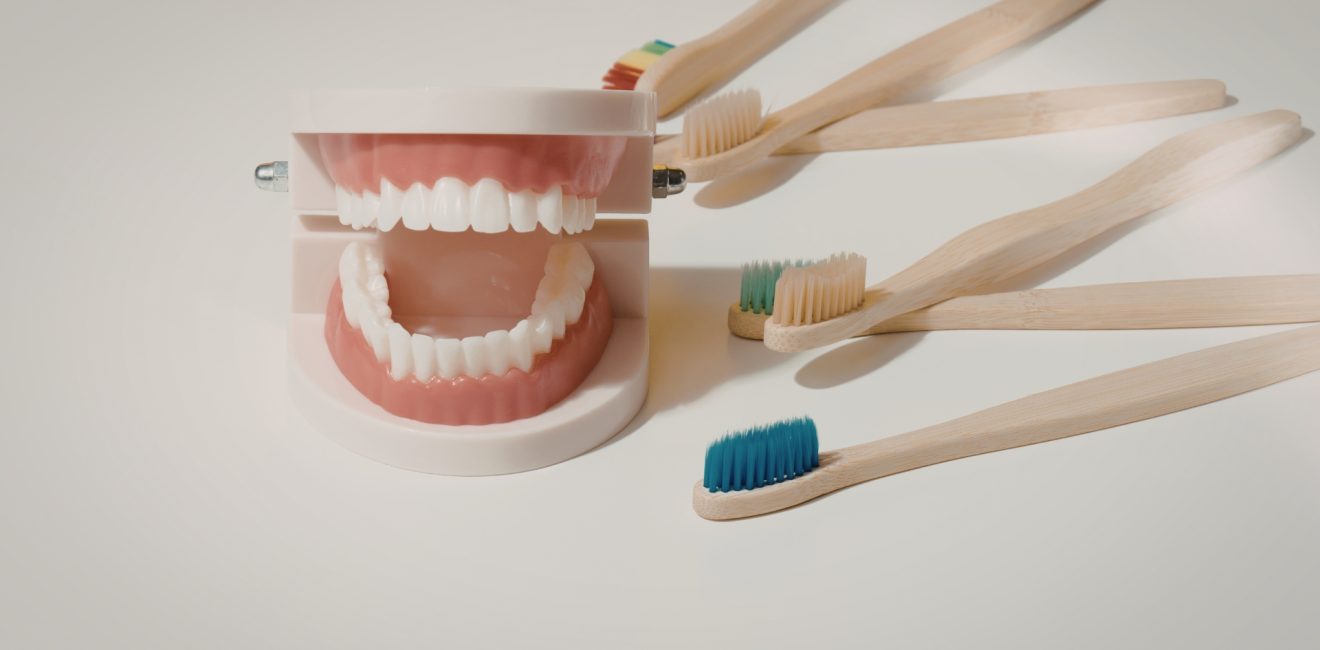
Learn everyday oral hygiene habits — from brushing and flossing to dental visits — plus how professional care at Puresmile Dental in Shanghai can help you maintain a strong, healthy smile.
Taking care of your mouth goes far beyond just looking good in photos. Oral hygiene — the habits you follow every day to look after your teeth and gums — affects your whole body. Healthy teeth make it easier to eat, talk, and smile with confidence. Poor oral hygiene can lead to cavities, gum disease, bad breath, and even infection or pain that affects your eating and sleeping.
Dental professionals agree that regular brushing and flossing paired with professional care help prevent most dental problems. At Puresmile Dental, an experienced dental and orthodontic clinic based in Shanghai, patients are taught the right ways to protect their smiles through simple daily habits and expert care.
In this guide, you’ll learn:
- How to brush the right way
- Why flossing matters
- Extra habits that boost dental health
- Why regular dental visits are essential
- How to care for teeth at different ages
Let’s start!
II. The Right Way to Brush Your Teeth
Everyone brushes their teeth, but proper brushing technique makes all the difference in preventing cavities and gum problems.
Choosing the Right Toothbrush
You can choose between a manual toothbrush or an electric toothbrush. Both work well — what matters most is how you use them.
- Manual: Simple and affordable.
- Electric: Helps remove plaque more easily if used correctly.
Both are good when paired with proper technique.
Step‑by‑Step Brushing
- Wet your toothbrush and apply a pea‑sized amount of fluoride toothpaste.
- Hold your brush at a 45‑degree angle toward your gums.
- Use gentle circular motions — don’t scrub hard!
- Clean the outside surfaces, inside surfaces, and chewing areas of your teeth.
- Brush your tongue or use a scraper to remove bacteria that cause bad breath.
How Long and How Often
Dentists recommend brushing:
- Twice every day — in the morning and before bed
- For a full 2 minutes each time
Two minutes might sound long, but many toothbrushes now have built‑in timers, or you can time it with a song!
Common Mistakes to Avoid
Avoid:
- Brushing too hard — this can hurt your gums
- Rinsing immediately after brushing — this washes away helpful fluoride
- Skipping the back teeth or inner surfaces
Good brushing protects your enamel — the strong outer layer of your teeth.
III. Why Flossing Is Non‑Negotiable
Even the best toothbrush can’t reach between your teeth and under the gum line. That’s where flossing comes in!
What Flossing Does
Flossing removes food particles and sticky plaque that build up between teeth — spots that brushing just can’t reach. Routine flossing prevents decay and gum inflammation before it becomes a bigger problem.
How to Floss the Right Way
- Break off about 18 inches of floss.
- Wrap most of it around one finger, and a little around the other.
- Gently slide the floss between two teeth.
- Curve it around each tooth, and move it up and down several times.
- Use a clean section for each space.
Alternatives to String Floss
If traditional floss feels hard to use, you can try:
- Water flossers — a water stream removes debris between teeth
- Interdental brushes — tiny brushes made for smaller spaces
Both are good alternatives as long as you use them daily.
How Often?
Dentists suggest flossing once a day — usually at night before bed.
Other Essential Oral Hygiene Habits
Brushing and flossing are the foundation of a healthy smile, but these additional habits help your teeth even more.
Mouthwash — What It Does
Using an antibacterial or fluoride mouthwash can:
- Reduce bacteria that cause bad breath
- Help prevent plaque buildup
- Strengthen enamel
Rinse for about 30 seconds after brushing or between meals.
Tongue Cleaning
Your tongue can trap bacteria that cause bad breath and dental problems. Gently brushing or scraping your tongue each day adds an extra level of freshness and cleanliness.
Drink Water Throughout the Day
Staying hydrated keeps saliva flowing. Saliva naturally helps wash away acids and food particles that damage teeth. Sip water after sweet or sticky snacks to help rinse your mouth.
Eat Tooth‑Friendly Foods
Foods rich in calcium and vitamins help strengthen enamel and keep your gums healthy. These include:
- Dairy products like milk, cheese, and yogurt
- Leafy greens and crunchy vegetables
- Fruits like apples (which naturally help clean teeth)
Limit sugary snacks and drinks because sugar feeds bacteria that produce acid — and acid can wear away enamel.
The Importance of Regular Dental Visits
Good habits at home help a lot, but nothing replaces professional check‑ups and cleanings.
What Happens During a Dental Appointment
At your visit to Puresmile Dental or any dentist, the dental team will:
- Check your gums and teeth
- Remove plaque and tartar buildup
- Look for cavities or early signs of decay
- Offer advice and personalized dental care plans
- Perform cleanings that you can’t do at home
Professional care stops small problems before they become painful or costly.
How Often to Visit
Dental professionals usually recommend a check‑up every 6 months. Some people with specific dental needs may visit more often.
Why Early Detection Matters
Finding cavities or gum issues early means easier treatment, less pain, and lower costs. Early dental care can prevent bigger procedures like root canals or tooth extractions.
Dealing with Dental Anxiety
It’s normal to feel nervous about the dentist. Here are ways to feel calmer:
- Tell your dentist how you feel
- Listen to music during treatment
- Ask questions — understanding the process helps
Modern dental clinics like PureSmile work hard to make every visit comfortable and stress‑free.
Oral Hygiene for Different Life Stages
Healthy teeth look a little different depending on your age — but the basics remain the same.
Kids and Toddlers
- Start brushing when the first tooth appears
- Use a tiny smear of fluoride toothpaste
- Parents should help or supervise brushing until children are around 7–8 years old
Brushing early builds a lifetime habit.
Teenagers
Teens may face braces, wisdom teeth issues, or habits like snacking often. Cleaning around braces takes patience — and tools like interdental brushes or water flossers help a lot. If your teen is considering straightening their smile, orthodontic specialists at PureSmile in Shanghai offer guidance and treatment options for both teens and adults.
Adults and Seniors
As adults age:
- Gums may become more delicate
- Dry mouth can happen with certain medications
- Daily dental care and check‑ups help keep natural teeth longer
Professional dental teams can help manage age‑related changes and maintain comfort.
Strong oral hygiene doesn’t require magic — just consistent habits and smart choices.
Daily Dental Checklist
✔ Brush twice a day for 2 minutes
✔ Floss once a day
✔ Use mouthwash to reduce bacteria
✔ Drink plenty of water
✔ Eat foods that support teeth
✔ Visit your dentist regularly
Healthy, confident smiles start with daily care and regular professional support. If you’re in Shanghai and want expert dental and orthodontic care, Puresmile Dental offers comprehensive dental services — from check‑ups and cleanings to braces, Invisalign®, implants, and advanced cosmetic treatments. Their team combines modern technology and experienced professionals to help you keep your smile healthy and bright.
👉 Make oral hygiene a priority and book your next dental appointment today!


