
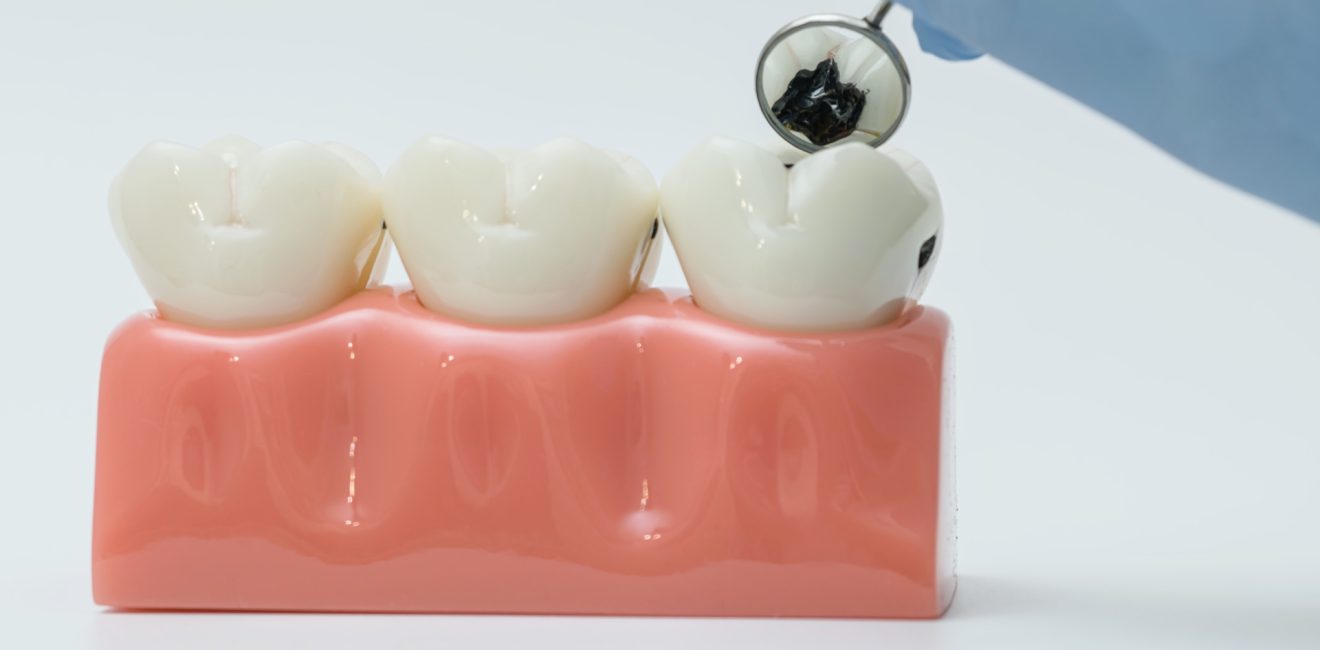
Learn everything about tooth decay and cavities — what causes them, how they progress, treatment options, and proven prevention strategies for all ages.
Cavities are one of the most common dental problems around the world. Tooth decay affects people of all ages and can cause pain, infections, and even issues with eating and speaking. If left untreated, cavities can lead to serious health problems such as abscesses, jaw infections, and, in rare cases, infections that affect other parts of the body.
This guide will explain what tooth decay is, how it develops, common causes, treatment options, and practical strategies for preventing cavities. By the end, you’ll know how to protect your teeth and avoid painful dental problems.
What Is Tooth Decay?
Tooth decay, also called dental caries, happens when your tooth enamel — the hard, outer layer — is damaged. The process starts with bacteria in your mouth, which feed on sugars from food and drinks. These bacteria produce acids that gradually wear away the enamel, creating cavities.
Some people are more at risk than others, including children with developing teeth, adults with receding gums or dry mouth, and anyone who eats a lot of sugary or acidic foods. Good oral hygiene and early detection are essential for preventing decay.
The Stages of Tooth Decay
Tooth decay progresses in stages, and knowing them can help you catch problems early.
The first stage is initial demineralization, where acid begins to erode the enamel surface. You may notice small white spots, but there is usually no pain. Next is enamel decay, when the surface enamel breaks down further, sometimes causing mild sensitivity.
If the decay reaches the dentin, the softer layer beneath enamel, sensitivity increases, particularly to hot, cold, or sweet foods. When the decay reaches the pulp, which contains nerves and blood vessels, severe toothache and swelling can occur. The final stage is abscess formation, where the infection spreads to surrounding tissues, causing pain, swelling, and fever. Immediate dental care is necessary at this stage.
Common Causes of Cavities
Cavities develop due to a combination of factors. Consuming high amounts of sugary and acidic foods provides fuel for bacteria that produce enamel-eroding acids. Poor brushing and flossing habits allow plaque to build up, increasing the risk of decay.
Dry mouth, or xerostomia, reduces saliva, which naturally protects teeth from acid. Genetics can also play a role, as deep grooves in teeth or thinner enamel can make cavities more likely. Age is another factor — children’s teeth are more vulnerable, while seniors may experience gum recession and enamel wear.
How Are Cavities Diagnosed?
Dentists have several ways to detect cavities early. A visual examination can reveal dark spots, holes, or damaged enamel. Dental X-rays can show cavities hidden between teeth or under fillings. Some modern dental offices also use laser detection tools to find decay before it becomes visible. Early detection is key to avoiding more invasive and painful treatments.
Treatment Options by Severity
Treatment depends on how far the decay has progressed. Fluoride treatments can strengthen enamel and reverse early decay. For more advanced cavities, dental fillings are used to remove decayed material and restore the tooth with composite, amalgam, or glass ionomer.
When decay is extensive, dental crowns may be necessary to restore strength and function. If the pulp is infected, root canal therapy removes the infected tissue and seals the tooth. In severe cases, a tooth may need to be extracted, with options for replacement including dental implants, bridges, or partial dentures.
Prevention Strategies
Preventing cavities is simpler than treating them. Maintaining a consistent daily oral hygiene routine is essential. Brush twice a day with fluoride toothpaste and floss once daily to remove plaque from hard-to-reach areas.
Using fluoride toothpaste and drinking fluoridated water strengthens enamel and reduces decay. Dental sealants can protect children’s molars from cavities. Diet also plays a role — limit sugary snacks and drinks, and include teeth-friendly foods like fruits, vegetables, dairy, and nuts. Finally, regular dental checkups every six months help catch problems early and allow professional cleaning to remove plaque and tartar.
Cavities in Children vs. Adults
Cavities affect different age groups in unique ways. In children, baby teeth are more prone to decay because enamel is thinner. Encouraging proper brushing and supervised flossing, along with dental sealants on permanent molars, helps prevent cavities.
In adults and seniors, receding gums expose the tooth root, increasing cavity risk. Dry mouth caused by medications or medical conditions further raises the risk. Regular checkups, fluoride treatments, and diligent daily hygiene are crucial for maintaining a healthy smile throughout adulthood.
Conclusion
Cavities are common but largely preventable. Consistently practicing good oral hygiene, limiting sugary foods, and visiting the best dentist in Shanghai regularly can keep your teeth healthy.
A quick daily checklist includes: brushing twice a day with fluoride toothpaste, flossing once daily, using mouthwash when recommended, drinking plenty of water, choosing a tooth-friendly diet, and attending dental checkups every six months.
Don’t wait until a tooth hurts — schedule a cavity check today. Early prevention and timely treatment save money, protect your smile, and keep your teeth strong for years to come.


