
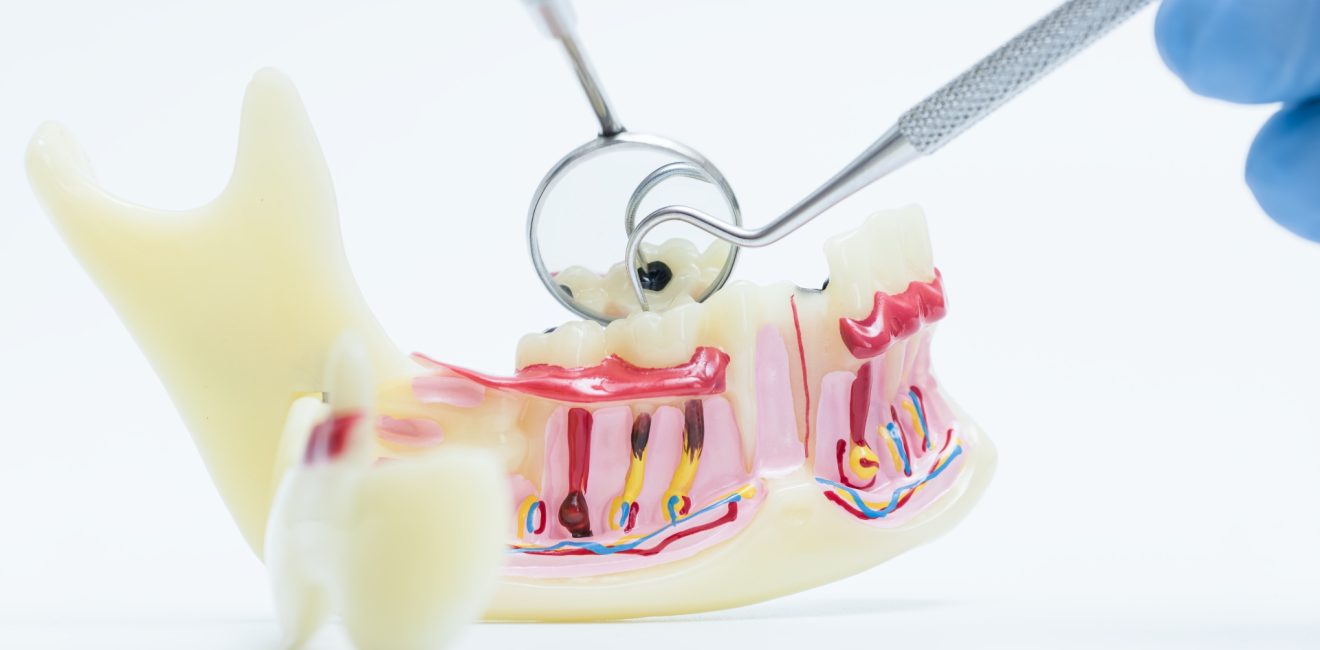
Here’s something that might surprise you: tooth decay often doesn’t hurt — at least not in the beginning. Many people walk around for months with a cavity forming without feeling a single thing. By the time pain shows up, the damage is usually already well underway.
That’s what makes early detection so important. Knowing what to look and feel for gives you the chance to stop decay before it turns into something far more serious. At PureSmile in Shanghai, China, catching warning signs early makes a real difference — in treatment complexity and cost.
Why Early Detection Matters
Think of tooth decay like a small crack in a wall. Caught early, you patch it quickly and move on. Ignored, it spreads, weakens the whole structure, and costs far more to repair.
The same logic applies to cavities. A small area of early decay caught at a routine checkup might only need a fluoride treatment or a tiny filling — a quick, affordable fix. That same cavity, left untreated, can advance through the enamel and deeper into the tooth, eventually requiring a root canal, a crown, or even an extraction.
According to the CDC, 9 out of 10 adults over age 20 have experienced some degree of tooth decay — many going untreated for too long simply because there were no obvious symptoms early on. Regular dental visits and knowing your warning signs are your best defense.
8 Warning Signs of Tooth Decay
1. Tooth Sensitivity
One of the earliest and most common signals of decay is sensitivity you didn’t have before. You sip iced water and feel a sharp zing. You eat something sweet and notice a twinge in a specific tooth. This happens because as enamel weakens, the layer beneath it — dentin — becomes exposed. Dentin contains tiny tubes connected directly to the tooth’s nerve, and those nerves react to temperature, pressure, and sugar.
Occasional sensitivity isn’t always a red flag. But if it’s new, getting worse, or consistently coming from one specific tooth, it’s worth having a dentist take a look.
2. White or Chalky Spots
This is the very first visible sign of tooth decay — and most people don’t notice it. When acids from plaque attack enamel, they strip away minerals like calcium and phosphate in a process called demineralization. The result is small white or chalky spots on the tooth surface that look slightly duller than the surrounding enamel.
Here’s the good news: at this stage, decay can often be reversed. With improved brushing, fluoride toothpaste, and professional fluoride treatments, the enamel can rebuild itself before a cavity fully forms. This is the ideal window to intervene.
3. Dark Spots or Stains
If those white spots aren’t caught and treated, they begin to darken. You might notice a brown, gray, or black spot on a tooth that wasn’t there before. These color changes signal that decay has progressed beyond early demineralization and has started to damage the enamel itself.
It’s easy to dismiss these as stains from coffee or food. But a stain from tea or wine tends to be surface-level, while a decay spot often appears in a specific location and may grow over time. When in doubt, have a dentist check it out.
4. Persistent Toothache
A toothache — especially one that lingers after eating — is a clear sign that decay has progressed past the enamel. When bacteria work deeper into the tooth, they irritate the inner nerve, causing inflammation and that familiar throbbing or aching sensation.
Unlike sensitivity, which flares briefly in response to a trigger, a toothache from decay can be present even when you’re not eating or drinking. A persistent toothache is not something to wait out — it’s a direct signal that your tooth needs professional attention.
5. Bad Breath
Occasional bad breath after coffee or garlic is normal. But persistent bad breath that doesn’t clear up with brushing, flossing, and mouthwash is a different story. Cavities create ideal hiding spots for bacteria — those acidic pockets inside a cavity are where bacteria thrive, releasing foul-smelling compounds as a byproduct. A recurring unpleasant taste that won’t go away can also point to decay or early infection. If your breath stays consistently off despite good oral hygiene, ask your dentist to check for cavities.
6. Visible Holes or Pits
If you can actually see a hole, pit, or dark dent in a tooth, that’s a definitive sign that decay has progressed significantly. This is what most people picture when they think of a cavity — a literal gap where enamel and dentin have been destroyed. Cavities at this stage will not heal on their own; they’ll only grow larger over time, trapping food and bacteria and accelerating deeper damage. A filling is typically needed to clean out the decay and seal the tooth before things get worse.
7. Pain When Biting
Feeling a sharp twinge or ache when you bite down is a warning that decay may have weakened the tooth’s structure. As cavities deepen into dentin, the tooth becomes more fragile, and chewing pressure can trigger pain that wasn’t there before. This symptom usually means the cavity has progressed into the inner layers, and waiting longer risks the decay reaching the pulp — where treatment becomes significantly more involved.
8. Gum Swelling Near a Tooth
Swelling, redness, or tenderness in the gum near a specific tooth is a more advanced warning sign that decay has spread to surrounding tissue, or that an early infection is developing. Gum swelling near a tooth often signals advanced decay that may be heading toward abscess formation — don’t ignore it.
What Happens If You Ignore These Signs?
Tooth decay does not improve on its own. Without treatment, it progresses through the tooth’s layers — enamel, then dentin, then pulp — and complications grow more serious at every stage.
A cavity that starts as a small white spot can, if ignored, eventually reach the pulp and cause a severe infection. That infection can lead to an abscess — a painful pocket of pus at the root — which may cause facial swelling, fever, and extreme pain. At that point, a root canal or tooth extraction may be the only option. The message is clear: act early, and your treatment options stay simple.
When to Visit a Dentist Immediately
Some symptoms call for an urgent appointment rather than waiting for your next scheduled visit. Seek care promptly if you experience:
- Severe or throbbing tooth pain that doesn’t subside
- Facial swelling, particularly around the jaw or cheek
- Fever accompanied by tooth or mouth pain
- A visible swelling or bump on the gum near a tooth
- Pain so intense it’s disrupting sleep or daily activities
These are signs that decay may have progressed to infection. Dental infections require professional care — sometimes urgently — and do not resolve on their own.
How Dentists Diagnose Tooth Decay
One of the most important things to understand is that dentists can detect tooth decay long before you feel it — which is a huge reason why regular checkups matter.
During a routine exam, your dentist will visually inspect each tooth for discoloration, white spots, soft or sticky areas, and visible holes. They’ll use a small dental probe to gently check for enamel softness, which can indicate decay even when the surface looks fine.
Dental X-rays are the most powerful tool for finding hidden cavities — especially decay forming between teeth or beneath existing fillings. Bitewing X-rays, commonly taken at annual checkups, can spot cavities in their early stages before any symptoms develop. Modern digital X-rays use up to 90% less radiation than traditional film X-rays, making them very safe for routine use.
Some dental practices also use laser fluorescence tools that shine a low-powered light on tooth surfaces. Decayed areas absorb and reflect light differently than healthy enamel, and the device gives a readout that pinpoints concern areas — sometimes catching decay even before an X-ray would. Together, these tools give your dentist a full, accurate picture of your oral health so treatment can begin at the earliest and most manageable stage.
Don’t Wait Until It Hurts 😊
The biggest myth about tooth decay is that you’ll know when you have it because it’ll hurt. In reality, many cavities develop silently — and by the time you feel pain, more extensive treatment may already be needed.
At PureSmile in Shanghai, China, our dental and orthodontic team uses the latest diagnostic tools to catch decay early, keeping treatment simple, comfortable, and affordable. Whether it’s your first visit or your next routine checkup, we’re here to keep your smile healthy at every stage.
Don’t wait for a toothache to make an appointment. If you’ve noticed any of the warning signs above — or it’s simply been a while since your last checkup — reach out to PureSmile today. Catching a problem early is always the smartest move you can make for your teeth.


