
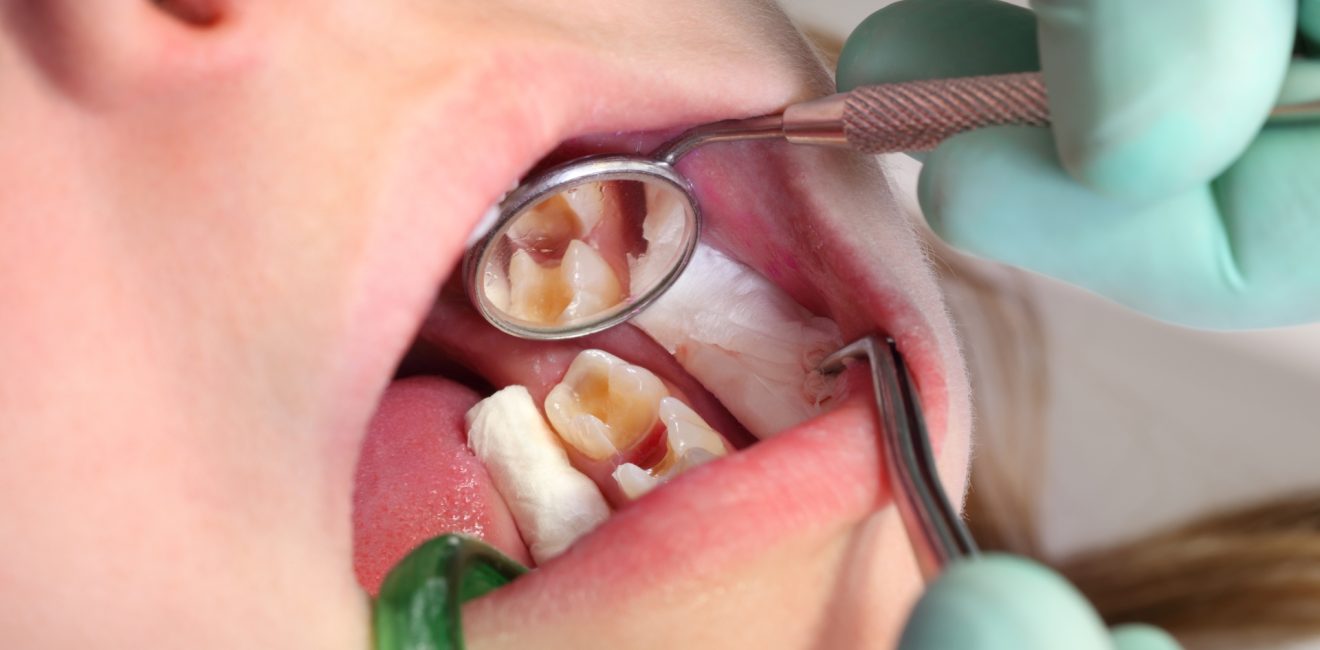
Cavities are one of those things most people have experienced at some point. In fact, according to the World Health Organization, dental decay affects an estimated 2.5 billion people globally — making it the most common noncommunicable disease in the world. That’s a staggering number. But here’s the encouraging part: most cases of tooth decay are completely preventable.
At PureSmile in Shanghai, China, our team has one of the best dentist in Shanghai, we believe that education is one of the most powerful tools in keeping your teeth healthy. When you understand what causes tooth decay and how to stop it, you’re already ahead of the game. So let’s break it all down in a simple, easy-to-follow way.
What Causes Tooth Decay? (Quick Overview)
Tooth decay happens when the hard outer surface of your tooth — called enamel — gets damaged by acid. But here’s the twist: the acid doesn’t come directly from your food. It’s actually made by tiny bacteria living in your mouth.
When you eat something sugary or starchy, bacteria feed on those food particles and release acid as a byproduct. That acid attacks your enamel again and again, slowly breaking it down. Over time, the enamel weakens, minerals are lost, and small holes called cavities form. If left untreated, those cavities can grow deeper and cause serious pain, infection, and even tooth loss.
Now let’s look at the main reasons this process gets started — or speeds up.
7 Common Causes of Tooth Decay
1. Frequent Sugar Consumption
Sugar is the number one fuel for the bacteria that cause cavities. Every time you eat or drink something sweet — soda, candy, fruit juice, pastries — bacteria get a fresh energy supply and produce a new wave of acid. The more often you eat sugar throughout the day, the more acid attacks your teeth experience.
Sticky and chewy sweets are especially harmful because they cling to tooth surfaces long after you’ve finished eating. Even foods you might not think of as sugary — like white bread, crackers, and chips — can break down into simple sugars in your mouth and contribute to decay.
2. Poor Brushing and Flossing
If you skip brushing — or rush through it — plaque builds up on your teeth. Plaque is that soft, sticky film of bacteria that constantly forms on tooth surfaces. When plaque isn’t removed daily, it hardens into tartar, a crusty buildup that can only be removed by a dental professional. Both plaque and tartar keep harmful bacteria pressed against your enamel, accelerating the decay process.
Flossing matters just as much. About 35% of each tooth’s surface sits between teeth, where your toothbrush simply can’t reach — leaving those areas unprotected every single day.
3. Acidic Drinks and Foods
It’s not just sugar — acidity itself directly threatens enamel. Drinks like soda, sports drinks, energy drinks, and citrus juices are highly acidic and can wear down enamel on their own. Even healthy foods like citrus and tomatoes are acidic. Rinsing with water afterward and waiting 30 minutes before brushing helps reduce the damage.
4. Dry Mouth (Lack of Saliva)
Saliva is your mouth’s built-in defense system. It washes away food particles, neutralizes acids, and delivers minerals that help repair enamel. When your mouth is too dry, all of those protections go away.
Dry mouth can be caused by certain medications (like antihistamines, antidepressants, and some blood pressure drugs), medical conditions like diabetes, or simply not drinking enough water. People with dry mouth tend to develop cavities more quickly and more frequently.
5. Skipping Dental Checkups
Tooth decay in its early stages causes no pain at all. Many people only discover a cavity when it’s already progressed to the point of needing a filling — or worse. Regular checkups let your dentist catch tiny problems early, and professional cleanings remove tartar that brushing alone can’t eliminate. Skipping the dentist doesn’t prevent dental problems; it just delays finding out about them.
6. Deep Grooves in Teeth
Not all teeth are created equal. Your back molars have deep pits and grooves in their chewing surfaces — perfect hiding spots for food particles and bacteria. Even thorough brushing can struggle to clean them out completely. People with naturally deep grooves are at higher risk for cavities in those areas, which is one reason dental sealants are so useful for certain patients.
7. Lack of Fluoride
Fluoride is a naturally occurring mineral that strengthens tooth enamel and helps it resist acid attacks. It can even help reverse the very earliest stages of decay by replacing lost minerals. Without enough fluoride — through toothpaste, water, or professional treatments — your enamel is more fragile and less able to defend itself.
Who Is Most at Risk?
While tooth decay can affect anyone, certain groups face a higher risk:
Children are especially vulnerable because their enamel is thinner and still developing. According to the CDC, half of all children ages 6 to 9 have had at least one cavity in their primary or permanent teeth. Children also tend to eat more sugary snacks and may not brush as thoroughly on their own.
Seniors face unique challenges too. As people age, gums naturally recede, exposing softer root surfaces that aren’t protected by enamel. Many older adults also take medications that cause dry mouth, raising their cavity risk significantly.
People with braces have more surfaces for plaque to collect around, making thorough cleaning harder. Those with conditions like diabetes, eating disorders, or acid reflux also face higher risk, as these can affect saliva production or expose teeth to extra acid.
Proven Ways to Prevent Tooth Decay
The great news is that tooth decay is largely preventable with the right habits and a little help from your dentist.
Proper Oral Hygiene Routine
The foundation of cavity prevention is simple: brush twice a day for at least two minutes using a soft-bristled toothbrush, and floss once a day. Brushing removes plaque from tooth surfaces, while flossing clears the spaces between teeth where decay often starts. Replace your toothbrush every three to four months — a worn brush doesn’t clean effectively.
Healthy Diet Choices
Limiting sugar and acidic foods makes a measurable difference. Instead of sipping soda throughout the day — which keeps your teeth under constant acid attack — try to enjoy sweet treats with meals rather than as constant snacks. Drink plenty of water, especially fluoridated tap water. Calcium-rich foods like dairy, leafy greens, and almonds also strengthen enamel.
Fluoride Use
Make sure your toothpaste contains fluoride. The WHO recommends a fluoride concentration of 1,000 to 1,500 ppm for effective cavity prevention — check the label if you’re unsure. Your dentist can also apply professional-strength fluoride treatments during checkups, which are especially helpful for higher-risk patients. Regular fluoride exposure has been shown to reduce cavity rates by around 25% on average.
Dental Sealants
Dental sealants are thin, protective coatings painted onto the chewing surfaces of your back molars. They fill in the deep grooves and pits where bacteria love to hide, acting as a shield for your enamel.
According to the CDC, dental sealants prevent 80% of cavities in the back teeth, where 9 in 10 cavities occur. Children without sealants are nearly three times more likely to develop decay in those areas. Sealants are most often recommended for kids, but adults with deep grooves or a cavity-prone history benefit too. They’re quick, painless, and a smart long-term investment.
Daily Habits for Stronger Teeth
Prevention doesn’t have to be complicated. Here are simple habits you can work into your everyday routine:
Drink water throughout the day. Water rinses away food particles, dilutes acids, and stimulates saliva production. Fluoridated tap water gives you an extra protective boost.
Chew sugar-free gum after meals. It stimulates saliva flow, which helps neutralize acids and wash away food debris — especially useful when you can’t brush right after eating.
Rinse after acidic foods or drinks. A quick swish of water after soda, juice, or citrus fruit helps reduce the acid lingering on your teeth.
Use a straw for sugary or acidic drinks. It directs the liquid past your teeth, reducing direct contact with enamel.
Visit your dentist every six months. Professional cleanings remove tartar you can’t tackle at home, and checkups catch early decay before it becomes a bigger problem.
Start Preventing Cavities Today 😊
Tooth decay is not inevitable. With the right knowledge, good daily habits, and regular professional care, you can keep your teeth strong and cavity-free for life.
At PureSmile in Shanghai, China, we have one of the best dentist in shanghai and a great team is here to support your oral health every step of the way. Whether you’re due for a routine cleaning, curious about fluoride treatments or sealants, or you’ve noticed something on a tooth you want checked — we’ve got you covered.
Don’t wait until something hurts. Early prevention is always easier and more affordable than treatment. Book your consultation with PureSmile today and let’s build a healthier, stronger smile together.


