
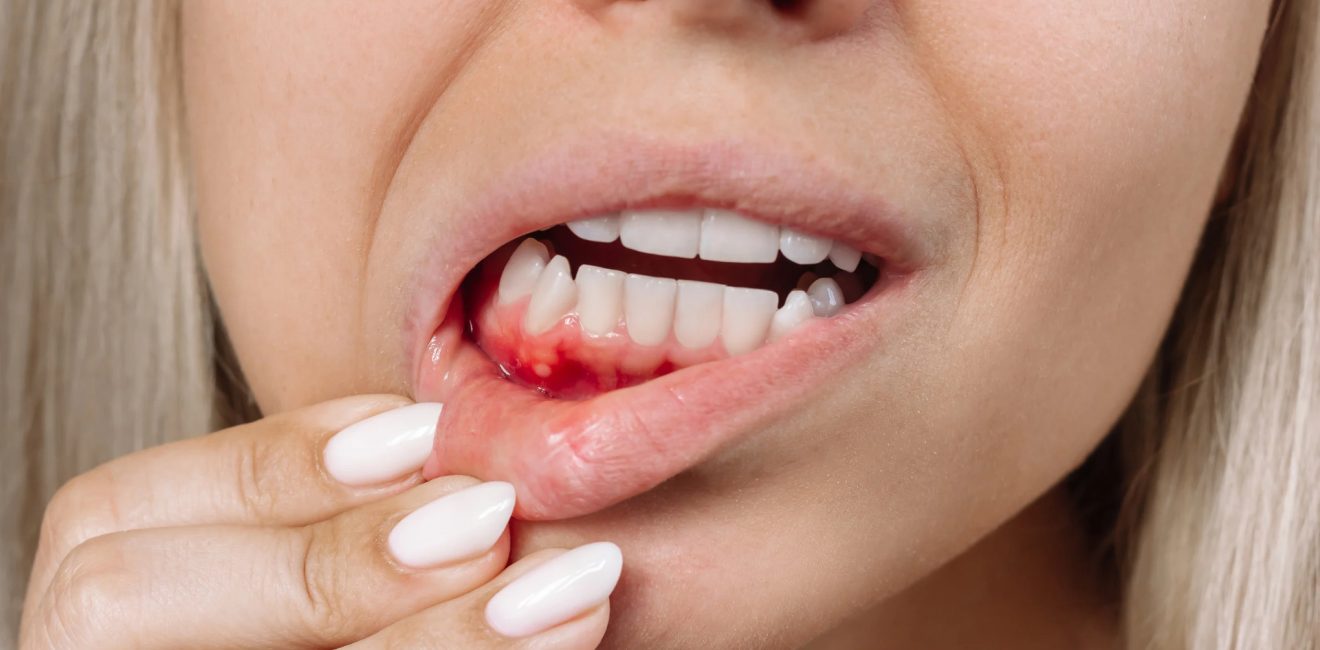
Bleeding gums can be worrying, especially when you notice blood while brushing your teeth or flossing. Although occasional bleeding may seem harmless, it can be a sign that your gums need more attention. One of the most common reasons is gingivitis, an early form of gum disease caused by plaque buildup along the gumline.
Understanding the causes of bleeding gums is the first step toward finding the right solution. Brushing too hard, using improper flossing techniques, hormonal changes, certain medications, and underlying health conditions can also contribute to the problem.
The good news is that many cases can improve with proper oral hygiene and professional dental care. However, bleeding that continues or returns regularly should not be ignored. This guide explains why gums bleed, how dentists diagnose and treat the problem, and what you can do to maintain healthy gums.
Why Do Gums Bleed?
Bleeding gums can have several causes. Identifying the reason is important because the best treatment depends on what is causing the bleeding.
Gingivitis and Plaque Buildup
Gingivitis is one of the most common causes of bleeding gums. It develops when plaque, a sticky film containing bacteria, builds up on teeth and around the gumline.
If plaque is not removed regularly, it can irritate the gums and cause inflammation. The gums may become red, swollen, and more likely to bleed during brushing or flossing.
When plaque hardens into tartar, it cannot be removed with a toothbrush alone. A dental professional must remove it during a professional cleaning.
Gingivitis is generally reversible with good daily oral hygiene and appropriate dental care. If gum disease progresses, however, it can develop into periodontitis, which damages the tissues and bone supporting the teeth.
Brushing Too Hard or Using the Wrong Toothbrush
Brushing your teeth is essential, but applying too much pressure can irritate the gums. A hard-bristled toothbrush may also contribute to gum irritation and, over time, damage the gum tissue.
If your gums bleed when brushing, try using a soft-bristled toothbrush and gentle circular movements. Hold your toothbrush at a slight angle toward the gumline, and clean each area carefully rather than scrubbing aggressively.
Bleeding should not automatically be blamed on brushing pressure. If it continues despite using a gentle technique, plaque-related inflammation or another underlying problem may be responsible.
Improper Flossing Techniques
Flossing removes plaque and food particles from areas a toothbrush cannot reach. However, forcing floss between the teeth or snapping it against the gums can cause irritation.
Use a gentle motion to guide the floss between your teeth. Curve it around each tooth and move it carefully beneath the gumline without forcing it into the tissue.
If you have recently started flossing, mild bleeding may occur when your gums are inflamed. With consistent, gentle cleaning, bleeding caused by gingivitis may improve over time. Persistent bleeding still deserves a dental assessment.
Hormonal Changes and Pregnancy
Hormonal changes can make gum tissue more sensitive to plaque. Puberty, menstruation, pregnancy, and menopause may influence how the gums respond to irritation.
During pregnancy, some people develop pregnancy gingivitis, which can cause swollen, tender, or bleeding gums. Maintaining good oral hygiene and attending recommended dental appointments can help manage these changes.
Pregnant patients should tell their dentist about their pregnancy so that care and treatment can be planned appropriately.
Medications and Underlying Health Conditions
Certain medications, including some blood thinners, can increase bleeding or make it more noticeable. Other medicines may contribute to dry mouth, which can affect oral health.
Some medical conditions, including disorders that affect blood clotting and certain blood or immune system conditions, can also contribute to gum bleeding.
Do not stop taking prescribed medication because your gums bleed. Speak with your doctor or dentist if you suspect a medication is contributing to the problem. They can help determine whether further assessment is needed.
What Are the Common Signs of Gum Problems?
Bleeding is often one of the first signs that your gums may be unhealthy. Other symptoms can help you recognize a developing problem.
Common warning signs include:
- Red or swollen gums: Healthy gums are generally firm and do not appear persistently inflamed.
- Bleeding during brushing or flossing: Repeated bleeding may indicate gingivitis or irritation.
- Tenderness and irritation: Inflamed gums may feel sore when touched or cleaned.
- Persistent bad breath: Bacteria associated with plaque and gum disease can contribute to unpleasant breath.
- Gum recession: Gums may gradually pull away from the teeth, making them appear longer.
- Loose teeth: In advanced periodontal disease, damage to supporting tissues can affect tooth stability.
These symptoms do not always mean you have gum disease, but they should not be overlooked. A dentist can determine the likely cause and recommend suitable care.
How Is the Cause of Bleeding Gums Diagnosed?
A dental examination helps identify why your gums are bleeding. Your dentist may ask when the bleeding started, how often it happens, whether you experience pain, and what medications you take.
The examination may include several steps.
Checking the gums and teeth: Your dentist looks for redness, swelling, plaque buildup, tartar, gum recession, and other signs of inflammation.
Assessing plaque and tartar: The amount and location of plaque and hardened deposits can help explain gum irritation.
Measuring gum pockets: A periodontal probe may be used to measure the spaces between your teeth and gums. Deeper pockets can indicate damage associated with periodontitis.
Reviewing your health history: Your dentist may ask about pregnancy, medications, medical conditions, tobacco use, and oral hygiene habits.
If bleeding is heavy, unexplained, or accompanied by other symptoms, your dentist or doctor may recommend additional medical tests.
How Can Bleeding Gums Be Treated?
The right bleeding gums treatment depends on the cause and severity of the problem. Early treatment can often prevent gum inflammation from becoming more serious.
Professional Dental Cleaning
If plaque and tartar buildup are contributing to the bleeding, a professional cleaning can remove deposits that brushing and flossing cannot eliminate.
Your dentist or hygienist can also explain how to clean effectively around the gumline and between your teeth.
Improved Brushing and Flossing Techniques
Daily plaque removal is essential for controlling gingivitis. Brush twice a day with fluoride toothpaste and a soft-bristled toothbrush. Clean between your teeth every day using floss or another suitable interdental cleaning tool.
Avoid scrubbing your gums or stopping oral hygiene because you notice a small amount of blood. Instead, clean gently and consistently while arranging a dental assessment if the bleeding persists.
Periodontal Treatment When Necessary
If gum disease has progressed to periodontitis, a routine cleaning may not be enough. Your dentist may recommend scaling and root planing, a deeper cleaning designed to remove plaque and tartar from below the gumline.
More advanced cases may require specialist periodontal care and ongoing maintenance visits. Treatment aims to control the disease, reduce inflammation, and protect the tissues supporting your teeth.
Managing Contributing Medical Factors
If medications, hormonal changes, or health conditions are contributing to bleeding, your dental and medical professionals can help coordinate appropriate care.
Treatment may involve adjusting oral hygiene practices, reviewing medications with the prescribing clinician, or investigating another health concern.
How to Prevent Bleeding Gums
Good daily habits can reduce plaque buildup and lower your risk of gum inflammation.
- Brush twice daily: Use a soft-bristled toothbrush and fluoride toothpaste for two minutes each time.
- Clean between teeth daily: Floss or use an appropriate interdental brush to remove plaque from hard-to-reach areas.
- Use fluoride toothpaste: Fluoride helps protect teeth against cavities while you maintain your daily oral care routine.
- Schedule regular dental checkups: Professional examinations can identify gum problems early. Your dentist can recommend how often you should visit based on your needs.
- Avoid tobacco products: Smoking and other tobacco use increase the risk of gum disease and can make healing more difficult.
- Eat a balanced diet: Choose a varied diet that supports overall health and limit frequent sugary snacks and drinks.
- Use gentle brushing techniques: More pressure does not mean cleaner teeth. Careful, consistent cleaning is more effective than aggressive scrubbing.
If you already have bleeding gums, improving these habits can help, but do not rely on home care alone if symptoms continue.
When Should You See a Dentist for Bleeding Gums?
Arrange a dental appointment if your gums bleed repeatedly, even if the bleeding is painless. Early assessment can help identify gingivitis before it progresses.
You should also seek dental advice if you notice persistent swelling, painful gums, gum recession, loose teeth, or ongoing bad breath.
Heavy or unexplained bleeding should be assessed promptly, especially if it occurs without brushing or flossing. Seek urgent medical care if bleeding is severe or does not stop, or if you experience symptoms such as faintness or significant weakness.
For patients seeking dental care in Shanghai, PureSmile in Shanghai, China offers dental and orthodontic services that can support preventive oral health and help patients address gum concerns. A dental professional can assess your symptoms and recommend an appropriate treatment plan.
If you are comparing options for the best dental clinic in Shanghai, consider the clinic’s approach to preventive care, the experience of its dental team, communication, and its ability to explain treatment choices clearly.
Frequently Asked Questions
Why do my gums bleed when I brush my teeth?
Gums often bleed during brushing because plaque buildup has caused inflammation, known as gingivitis. Brushing too hard or using a hard-bristled toothbrush can also contribute. If bleeding continues, arrange a dental examination to identify the cause.
Are bleeding gums a sign of gum disease?
They can be. Bleeding gums are a common symptom of gingivitis, but they can also result from irritation, medications, hormonal changes, or other health conditions. A dentist can help determine the reason.
Can bleeding gums heal on their own?
Mild irritation may improve when the cause is removed. Gingivitis can often be reversed with consistent oral hygiene and professional cleaning when needed. However, persistent bleeding should be evaluated rather than left untreated.
Should I stop flossing if my gums bleed?
Usually, you should continue cleaning between your teeth gently rather than stopping altogether. Bleeding may be caused by existing inflammation. If it persists, worsens, or is heavy, seek advice from your dentist.
How long does it take for bleeding gums to improve?
Bleeding caused by mild gingivitis may begin to improve within several days of consistent, gentle oral hygiene, although recovery varies. If bleeding does not improve within about one to two weeks, or if symptoms worsen sooner, arrange a dental appointment.
Conclusion
Bleeding gums are common, but they are not something to ignore. Plaque buildup and gingivitis are frequent causes, while brushing technique, hormonal changes, medications, and medical conditions can also play a role.
The most effective way to protect your gums is to brush gently twice daily, clean between your teeth, use fluoride toothpaste, avoid tobacco, and attend regular dental checkups. If your gums continue to bleed, professional advice can help identify the cause and prevent more serious problems.
For patients in Shanghai, PureSmile in Shanghai, China can help support preventive dental care and assessment of gum health. Addressing bleeding early is an important step toward healthier gums, stronger teeth, and a more confident smile.


