
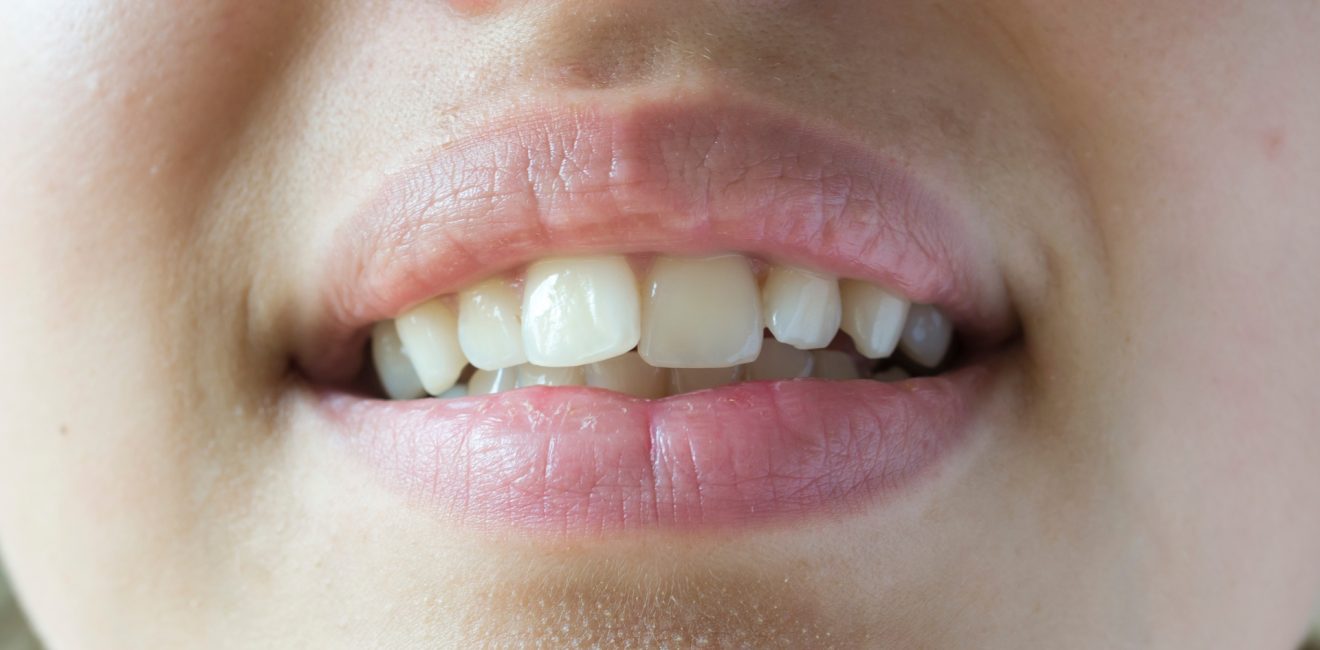
Jaw pain can have many possible causes, from muscle strain to joint disorders. One factor that is sometimes overlooked is the position of the teeth and the way the upper and lower jaws fit together. Many people ask, can crooked teeth cause jaw pain? In some cases, the answer is yes. Misaligned teeth can affect the bite and place uneven stress on the jaw muscles and joints, potentially leading to discomfort over time.
Understanding the relationship between crooked teeth and jaw function can help identify symptoms and guide treatment decisions.
How Bite Alignment Affects the Jaw
The jaw works as a coordinated system involving teeth, muscles, ligaments, and joints. Ideally, the upper and lower teeth come together in a way that distributes pressure evenly during chewing and speaking.
When teeth are crooked or the bite is misaligned, the jaw may need to compensate for uneven contact points. This can place additional stress on muscles and joints, particularly the joints that connect the lower jaw to the skull.
Common bite-related issues that may contribute to jaw discomfort include:
- Overbites
- Underbites
- Crossbites
- Open bites
- Crowded teeth
- Uneven tooth wear
When the bite is not balanced, muscles may work harder to maintain normal function. Over time, this can create tension, fatigue, and discomfort in the jaw area.
However, jaw pain is not always caused by tooth alignment alone. Other factors, such as stress-related clenching, injury, arthritis, or sleep-related grinding, may also contribute.
Signs of Jaw Problems Related to Crooked Teeth
Jaw-related symptoms can vary in severity and may develop gradually. Recognizing common warning signs may help determine whether bite issues are playing a role.
Headaches
Frequent headaches can sometimes be associated with jaw tension. When muscles around the jaw work harder to compensate for bite imbalance, strain may spread to surrounding muscles in the face, neck, and temples.
People may experience:
- Tension headaches
- Facial pressure
- Pain near the temples
- Discomfort after chewing
Headaches can have many causes, so evaluation is important if symptoms persist.
TMJ Symptoms
The temporomandibular joints (TMJ) connect the jaw to the skull and allow movement for speaking and chewing. Bite problems may increase stress on these joints in some individuals.
Possible TMJ-related symptoms include:
- Clicking or popping sounds
- Jaw stiffness
- Pain near the ears
- Limited jaw movement
- Jaw locking sensations
Not everyone with crooked teeth develops TMJ problems, and not every TMJ issue is caused by tooth alignment.
Difficulty Chewing
Misaligned teeth can sometimes make it harder for teeth to meet properly during chewing. Uneven pressure distribution may create discomfort or make certain foods difficult to eat.
Possible signs include:
- Pain while chewing
- Uneven chewing patterns
- Feeling that teeth do not fit together correctly
- Jaw fatigue after meals
Difficulty chewing may gradually affect eating habits and overall comfort.
Treatment Options
Treatment depends on the underlying cause of the jaw pain and the severity of the bite problem. A dental or orthodontic evaluation can help determine whether tooth alignment contributes to symptoms.
Potential treatment options include:
Orthodontic treatment
- Braces or clear aligners may improve tooth positioning and bite alignment.
Dental restorations
- Crowns, bonding, or other procedures may help correct uneven bite surfaces.
Night guards
- Mouth guards may help reduce the effects of clenching or grinding during sleep.
TMJ-focused care
- Some cases may benefit from exercises, physical therapy, or management of jaw-related conditions.
Lifestyle modifications
- Reducing stress, avoiding excessive gum chewing, and practicing relaxation techniques may help reduce muscle tension.
The most appropriate treatment varies based on individual circumstances.
FAQs
Can crooked teeth directly cause jaw pain?
Crooked teeth may contribute to jaw pain when they create bite imbalances that place additional stress on jaw muscles and joints. However, jaw pain can also have many other causes.
Can fixing crooked teeth reduce jaw discomfort?
For some people, improving tooth alignment may reduce pressure on the jaw and improve symptoms. Results vary depending on the underlying cause.
Can crooked teeth cause TMJ disorders?
Crooked teeth may be one contributing factor in some cases, but TMJ disorders are usually influenced by multiple factors rather than a single cause.
How do I know if my jaw pain is related to my teeth?
Signs such as bite changes, difficulty chewing, uneven tooth wear, or symptoms that worsen during eating may suggest a connection. A dental evaluation can help determine the cause.
Is jaw clicking always a sign of a serious problem?
Not necessarily. Some people experience clicking without pain or functional problems. Persistent symptoms or discomfort may warrant professional evaluation.
Conclusion
For people wondering, can crooked teeth cause jaw pain, the answer can sometimes be yes. Misaligned teeth may affect the way the jaws work together and place additional strain on muscles and joints. Symptoms such as headaches, TMJ-related discomfort, and difficulty chewing can sometimes be linked to bite problems. Understanding the connection between tooth alignment and jaw function can help guide appropriate treatment and support long-term oral comfort.


