
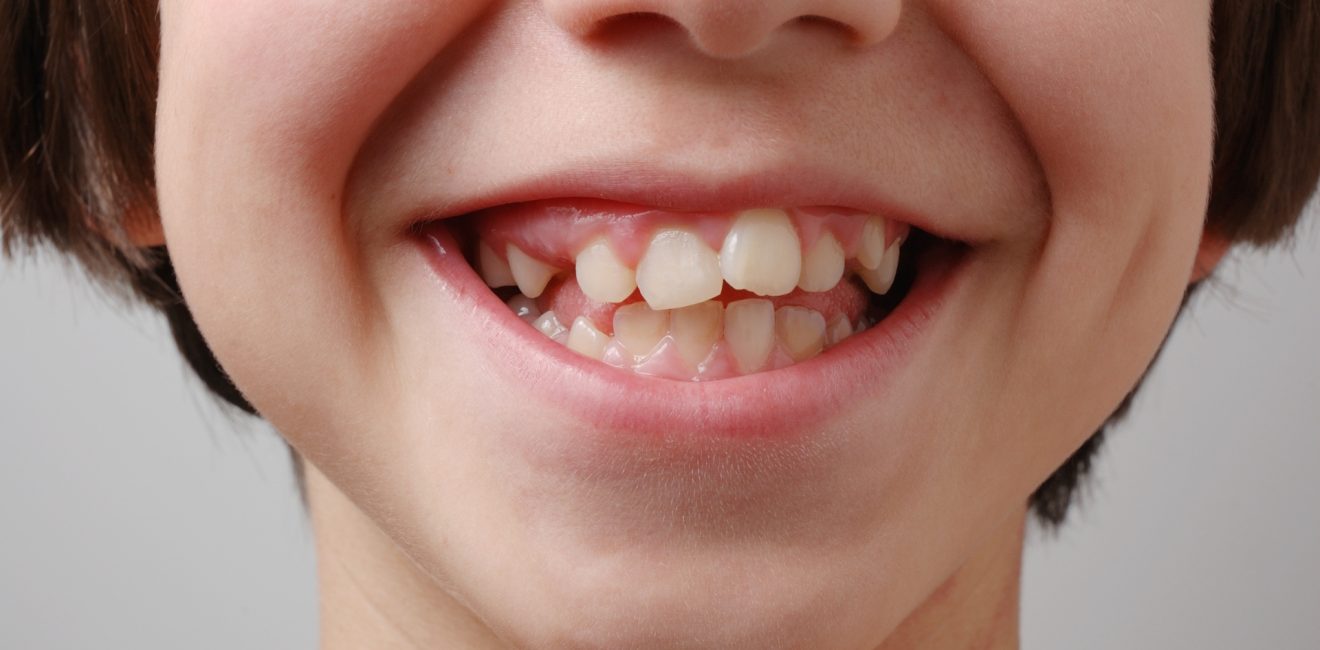
Crooked teeth can affect people of all ages and may develop for different reasons throughout life. Some people are born with a natural tendency toward misalignment, while others experience changes due to habits, oral health issues, or shifting teeth over time. Understanding the causes of crooked teeth can help parents identify early warning signs in children and help adults protect their long-term oral health.
Understanding Tooth Misalignment
Tooth misalignment occurs when teeth do not fit together properly or grow into uneven positions. Teeth may overlap, rotate, crowd together, or leave noticeable gaps. These issues can influence appearance, bite function, and oral hygiene.
Several tooth alignment causes can contribute to crooked teeth, including inherited traits, developmental habits, and dental conditions that occur later in life. While some cases are mild, more severe misalignment can affect chewing, speaking, and overall dental health.
Genetic Causes
Genetics plays a major role in the way teeth and jaws develop. Children can inherit physical traits from parents that influence how their teeth emerge and align.
Common inherited factors include:
- Small jaws with larger teeth, leading to crowding
- Differences in jaw size between upper and lower arches
- Extra teeth or missing teeth
- Bite irregularities such as overbites, underbites, or crossbites
If multiple family members have experienced orthodontic problems, genetics may be a contributing factor. However, hereditary influences are only one piece of the picture.
Environmental Factors
Daily habits and external influences during childhood can affect how teeth and jaws develop. These factors may gradually alter tooth position over time.
Thumb Sucking
Thumb sucking is common in infants and young children. In many cases, it stops naturally and causes no lasting effects. However, prolonged thumb sucking after permanent teeth begin developing may place pressure on the teeth and jaw.
Potential effects include:
- Forward movement of upper front teeth
- Narrowing of the upper dental arch
- Changes in bite alignment
The risk increases when the habit continues beyond early childhood.
Pacifier Use
Pacifiers can provide comfort for infants, but long-term use may contribute to tooth movement patterns similar to thumb sucking.
Extended pacifier use can sometimes lead to:
- Open bites
- Changes in jaw growth
- Tooth spacing problems
Timing and duration often determine whether lasting effects occur.
Mouth Breathing
Breathing through the mouth instead of the nose may influence facial and jaw development over time. Chronic mouth breathing can be associated with allergies, enlarged tonsils, or nasal obstruction.
Possible impacts include:
- Narrow dental arches
- Crowded teeth
- Changes in facial structure
- Bite irregularities
Children with persistent mouth breathing patterns may benefit from evaluation to identify underlying causes.
Causes in Adults
While many people associate crooked teeth with childhood development, crooked teeth in adults can appear or worsen even after earlier orthodontic treatment.
Tooth Loss
When a tooth is lost and not replaced, neighboring teeth can gradually shift into the empty space. This movement can disrupt previously stable alignment.
Consequences may include:
- Crowding
- Tilting teeth
- Bite changes
- Increased difficulty cleaning teeth
Replacing missing teeth can help maintain spacing and support overall dental function.
Gum Disease
Advanced gum disease affects the structures that support teeth, including bone and soft tissue. As support weakens, teeth may loosen and begin shifting.
Signs associated with gum disease include:
- Bleeding gums
- Gum recession
- Tooth mobility
- Changes in bite position
Managing gum health can help reduce the risk of alignment changes.
Wisdom Teeth Concerns
Wisdom teeth are often discussed as a possible reason for crowding. While many people believe wisdom teeth directly push other teeth out of place, research suggests their role may be more limited than once thought.
However, wisdom teeth can still create concerns such as:
- Impacted teeth
- Pressure sensations
- Difficulty cleaning back teeth
- Complications in already crowded mouths
A dental evaluation can determine whether wisdom teeth require monitoring or treatment.
Can Crooked Teeth Be Prevented?
Not all causes of crooked teeth can be prevented, especially when genetics plays a major role. However, certain steps may reduce the likelihood of developing significant alignment problems:
- Encourage children to stop prolonged thumb sucking or pacifier use
- Address chronic mouth breathing early
- Schedule regular dental checkups
- Replace missing teeth when appropriate
- Maintain healthy gums and oral hygiene
- Monitor developing teeth in children
Early observation often allows problems to be identified before they become more complex.
FAQs
Are crooked teeth always inherited?
No. Genetics can contribute significantly, but environmental habits and oral health conditions also play important roles.
Can adult teeth become crooked over time?
Yes. Teeth can gradually shift because of aging, tooth loss, gum disease, and natural changes in the mouth.
Does thumb sucking always cause crooked teeth?
Not necessarily. Many children stop naturally without long-term effects. Extended or intense thumb sucking over a longer period increases the chance of alignment issues.
Can braces fix crooked teeth in adults?
Yes. Orthodontic treatment is commonly used for adults and may include braces or clear aligners depending on the situation.
Are crooked teeth only a cosmetic concern?
No. Misaligned teeth can affect chewing, speech, jaw comfort, and oral hygiene, potentially increasing the risk of dental problems.
Conclusion
The causes of crooked teeth often involve a combination of genetics, childhood habits, and oral health changes that occur later in life. Understanding common tooth alignment causes can help parents monitor dental development and help adults recognize factors that may influence shifting teeth. Whether the issue begins during childhood or develops later, identifying contributing factors early can support healthier smiles and more effective treatment options.


