
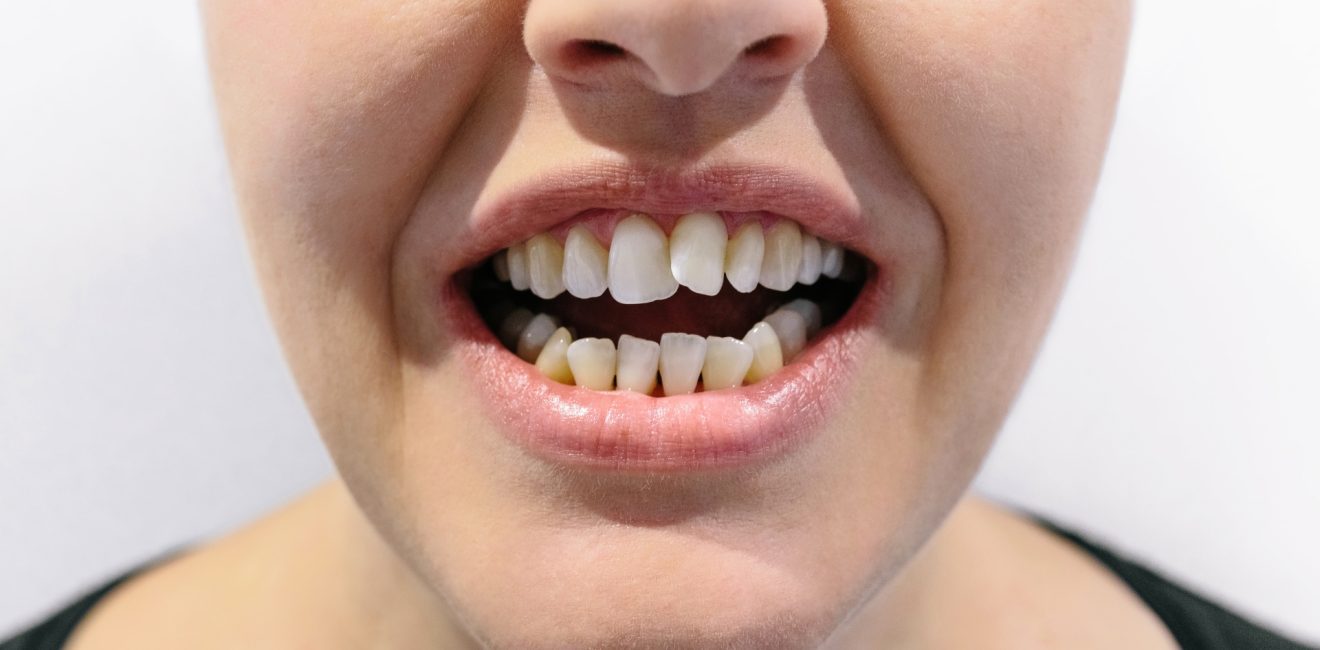
A straight smile is not just about appearance. The way your teeth line up can affect how you chew, speak, clean your teeth, and even how confident you feel when smiling. Crooked teeth are very common in children, teens, and adults. The good news is that there are many crooked teeth treatment options available today, and people can often choose a solution that fits their needs and lifestyle.
Modern orthodontic treatment has come a long way. You are no longer limited to metal brackets alone. Today, treatments range from traditional braces to nearly invisible clear aligners, along with other options that can improve the look of your smile.
In Shanghai, clinics such as PureSmile provide dental and orthodontic services that include braces, aligners, veneers, and customized treatment plans designed for different age groups and needs. Their services include a variety of orthodontic solutions for both children and adults.
This guide explains what crooked teeth are, why they happen, and how you can decide which treatment may work best for you.
What Are Crooked Teeth?
Crooked teeth happen when teeth do not line up correctly in the mouth. Dentists and orthodontists may call this “malocclusion” or misalignment. Some people only have a few teeth that are slightly turned or crowded, while others may have bigger alignment problems involving the teeth and jaw.
Common signs of misalignment
You may have crooked teeth if you notice:
- Teeth that overlap or twist
- Crowded teeth with little space between them
- Gaps between teeth
- Upper and lower teeth that do not meet properly
- Trouble biting or chewing food
- Jaw discomfort or clicking sounds
- Difficulty flossing or cleaning certain areas
Some people seek treatment because they want a more balanced smile. Others choose treatment because crooked teeth can sometimes make cleaning harder, increasing the risk of cavities and gum problems.
Mild vs severe cases
Mild cases usually involve small spacing issues or a few teeth that are slightly out of position.
Severe cases can include:
- Major crowding
- Bite problems
- Jaw alignment issues
- Teeth growing in unusual positions
The severity often helps determine which crooked teeth treatment options will work best.
Common Causes of Crooked Teeth
Crooked teeth can happen for several reasons. Often, it is not caused by only one thing.
Genetics
Sometimes crooked teeth run in families. You may inherit:
- A small jaw
- Large teeth
- Bite issues
- Tooth spacing patterns
For example, if one parent has a small jaw and larger teeth, there may not be enough room for teeth to grow straight.
Childhood habits
Certain habits during early childhood can affect tooth development, such as:
- Thumb sucking beyond toddler years
- Long-term pacifier use
- Tongue thrusting
- Mouth breathing
These habits may put pressure on developing teeth and change how they grow.
Jaw development
The upper and lower jaws may grow at different speeds. If the jaw does not develop evenly, teeth may become crowded or shift into unusual positions.
Early dental checkups can sometimes identify these concerns before they become more serious.
Treatment Options for Crooked Teeth
Different people need different treatments. Your dentist or orthodontist will usually examine your teeth, bite, and jaw before recommending a plan.
Traditional braces
Traditional braces remain one of the most common and effective ways to straighten teeth.
Braces use brackets and wires attached to the teeth. Gentle pressure slowly moves teeth into better positions over time.
Benefits:
- Works for mild to severe cases
- Effective for complicated bite problems
- Suitable for children, teens, and adults
Things to consider:
- Metal brackets are visible
- Food restrictions may be needed
- Cleaning takes extra effort
Modern braces may also come in ceramic or tooth-colored versions that are less noticeable.
Clear aligners
Clear aligners are removable plastic trays designed to fit over teeth. The trays are replaced regularly as teeth gradually shift.
Benefits:
- Nearly invisible appearance
- Can be removed while eating
- Easier brushing and flossing
- Fewer food restrictions
Things to consider:
- Must be worn as directed, often around 20–22 hours daily
- May not work for all severe cases
- Requires responsibility and consistency
Many adults and teens prefer clear aligners because they fit easily into daily life.
Retainers
Retainers are often used after braces or aligners to keep teeth from moving back.
Types include:
- Removable retainers
- Fixed retainers attached behind teeth
Sometimes retainers may also help with very minor tooth movement, but they are usually meant for maintaining results rather than making large corrections.
Veneers for cosmetic correction
Veneers are thin shells placed on the front surface of teeth.
Benefits:
- Improve appearance quickly
- Can hide small gaps or slight crookedness
- Improve smile shape and color
Things to consider:
- Does not physically move teeth
- Mainly cosmetic
- Not suitable for major alignment problems
Veneers can create the appearance of straighter teeth, but they do not replace true orthodontic treatment for serious misalignment.
How to Choose the Right Option
Choosing between different crooked teeth treatment options depends on several factors.
Severity
The complexity of your case matters.
- Mild cases may work well with aligners
- Moderate cases may use braces or aligners
- Severe cases often require more advanced treatment
An orthodontic exam usually includes photos, X-rays, and a bite evaluation before recommendations are made.
Budget
Cost can vary based on:
- Type of treatment
- Treatment length
- Clinic location
- Complexity of the case
Traditional braces are often considered a cost-effective option for many people, while clear aligners can sometimes cost more depending on the treatment plan.
Remember to ask about:
- Payment plans
- Insurance coverage
- Follow-up visit costs
Lifestyle factors
Think about your daily routine.
Ask yourself:
- Do you want a less noticeable option?
- Can you wear aligners consistently?
- Do you play sports?
- Do you have a busy work schedule?
For example:
A student athlete might prefer removable aligners, while someone with severe crowding may benefit more from braces.
The right treatment is not only about appearance. It should also fit comfortably into your everyday life.
Frequently Asked Questions
Can crooked teeth be fixed without braces?
Yes, sometimes. Depending on the situation, alternatives like clear aligners, retainers, or veneers may help. However, severe alignment or bite problems often need braces or other orthodontic approaches.
How long does treatment take?
Treatment time varies from person to person.
Some mild cases may improve within several months, while more complex cases may take one to three years. Treatment length depends on:
- Severity
- Age
- Type of treatment
- How closely instructions are followed
Some adult orthodontic treatments can be shorter depending on the case and method used.
Is treatment painful?
Most people describe orthodontic treatment as uncomfortable rather than painful.
You may feel:
- Pressure after adjustments
- Mild soreness for a few days
- Temporary sensitivity
This usually improves as your mouth adjusts.
A straighter smile is a process, but many people feel the long-term benefits are worth it. Whether you choose braces, clear aligners, or another solution, understanding your options is the first step toward finding a treatment that works for you.


