
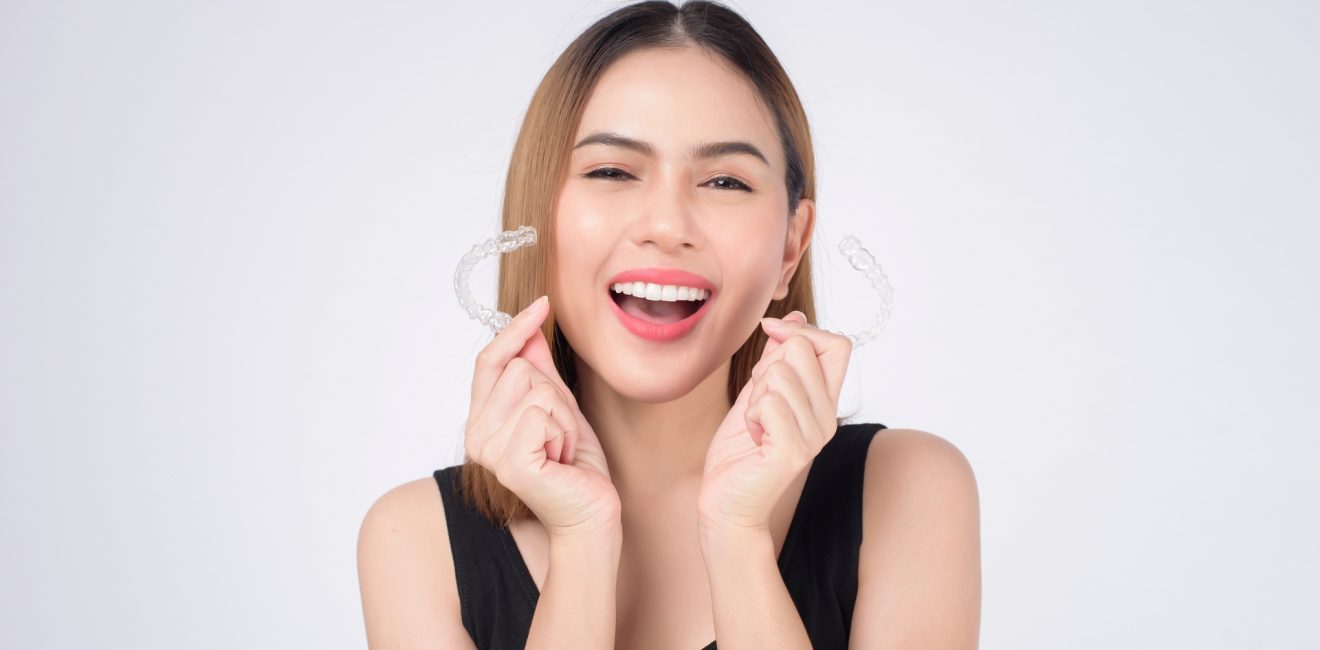
Invisalign confidence is one of the biggest reasons people choose clear aligners over traditional braces. While Invisalign is primarily an orthodontic treatment used to straighten teeth, its impact goes beyond dental alignment. It can also influence how a person feels about their appearance, how they interact with others, and how confident they feel in social and professional situations.
A smile is often one of the first things people notice. Because of this, many individuals feel self-conscious when they are not happy with their teeth. Invisalign helps address this concern in a more discreet way, which can make the entire treatment process feel more comfortable and confidence-friendly.
Connection between smile and confidence
A smile plays a major role in self-esteem and social interaction. People often associate straight, healthy-looking teeth with positive qualities like friendliness, success, and good hygiene.
When someone feels insecure about their teeth, they may:
- Avoid smiling in photos
- Cover their mouth when speaking or laughing
- Feel nervous in social situations
- Lack confidence in professional environments
By gradually improving tooth alignment, Invisalign can help reduce these insecurities over time and support a more positive self-image.
Aesthetic Advantage of Invisalign
One of the most important reasons Invisalign improves confidence is its appearance during treatment.
Nearly invisible aligners
Invisalign aligners are made from clear, thin plastic that fits closely over the teeth. Because of this:
- They are difficult to notice in most social situations
- People can smile naturally during treatment
- There is less attention drawn to orthodontic care
This is especially helpful for adults and teenagers who feel uncomfortable wearing visible braces.
Reduced self-consciousness
Traditional metal braces can sometimes make people feel self-aware, especially in photos or public settings. Invisalign reduces this concern because it blends in with the natural teeth.
As a result, many patients feel more comfortable:
- Speaking face-to-face
- Smiling in group photos
- Attending social events
- Meeting new people
This subtle design helps patients continue their daily life without feeling like their orthodontic treatment is highly visible.
Psychological Benefits During Treatment
Invisalign does not only change teeth—it can also influence how people feel about themselves during the treatment process.
Improved self-image
As teeth gradually become straighter, many patients start noticing positive changes in their appearance. This can lead to:
- Increased satisfaction with their smile
- More willingness to smile openly
- A stronger sense of personal confidence
Even small improvements in alignment can make a noticeable difference in how someone perceives their appearance.
Social interaction comfort
Confidence in social situations often improves as treatment progresses. Because Invisalign is discreet, patients often feel less judged or noticed for undergoing orthodontic care.
This can help in situations such as:
- Talking with friends
- Meeting new people
- Participating in group activities
- Attending events or gatherings
Feeling less self-conscious can make social interactions feel more natural and relaxed.
Professional and Work-Life Benefits
Invisalign confidence is also important in professional settings, where appearance and communication play a key role.
Speaking in meetings
Many people need to speak clearly and confidently in their jobs. Invisalign allows them to do this without the distraction of visible braces.
Because aligners are transparent:
- There is less worry about appearance during presentations
- Speaking in meetings feels more natural
- Confidence in communication increases
Client-facing confidence
For people who work directly with clients or customers, appearance can influence first impressions. Invisalign helps individuals feel more polished and professional without drawing attention to orthodontic treatment.
This is especially valuable in careers involving:
- Sales
- Customer service
- Hospitality
- Healthcare
- Business meetings
Being able to maintain a professional appearance during treatment can make a significant difference in workplace confidence.
Comparison With Traditional Braces
When comparing Invisalign with traditional braces, visibility is one of the biggest factors affecting confidence.
Metal braces are:
- Easily visible
- Often associated with adolescence or long-term treatment
- Sometimes a source of self-consciousness in adults
In contrast, Invisalign:
- Is nearly invisible
- Can be removed for short periods (if necessary and advised)
- Allows for a more natural appearance during treatment
Because of this difference, many people feel more comfortable continuing their normal lifestyle without feeling like their orthodontic treatment is highly noticeable.
Challenges Patients May Face
While Invisalign offers many confidence benefits, it is not without challenges. Understanding these can help set realistic expectations.
Speech adjustment period
At the beginning of treatment, some patients may notice a slight change in speech, such as a mild lisp. This is usually temporary and improves as the mouth adjusts to the aligners.
Most people adapt within a few days to a couple of weeks, especially with regular speaking practice.
Discipline in wearing aligners
Invisalign must typically be worn for 20–22 hours per day to be effective. This requires commitment and consistency.
Patients may face challenges such as:
- Remembering to wear aligners after meals
- Removing and cleaning them properly
- Avoiding unnecessary removal during the day
However, with good habits, these challenges become easier to manage over time.
Clinics like PureSmile, a dental and orthodontic practice in Shanghai, China, help patients stay on track with Invisalign treatment through regular checkups, progress monitoring, and personalized orthodontic guidance.
Invisalign does more than straighten teeth—it can also improve how people feel about themselves in everyday life. By offering a nearly invisible way to correct dental alignment, it helps reduce self-consciousness during treatment and supports greater confidence in social and professional situations.
While there may be a short adjustment period and a need for discipline, many patients find the long-term benefits well worth it. As teeth become more aligned, smiles often become more natural and confident, leading to lasting improvements in self-esteem.
Ultimately, Invisalign confidence grows step by step throughout the treatment journey. With proper care, guidance, and consistency, patients can achieve not only a healthier smile but also a stronger sense of self-assurance that lasts well beyond the end of treatment.


