
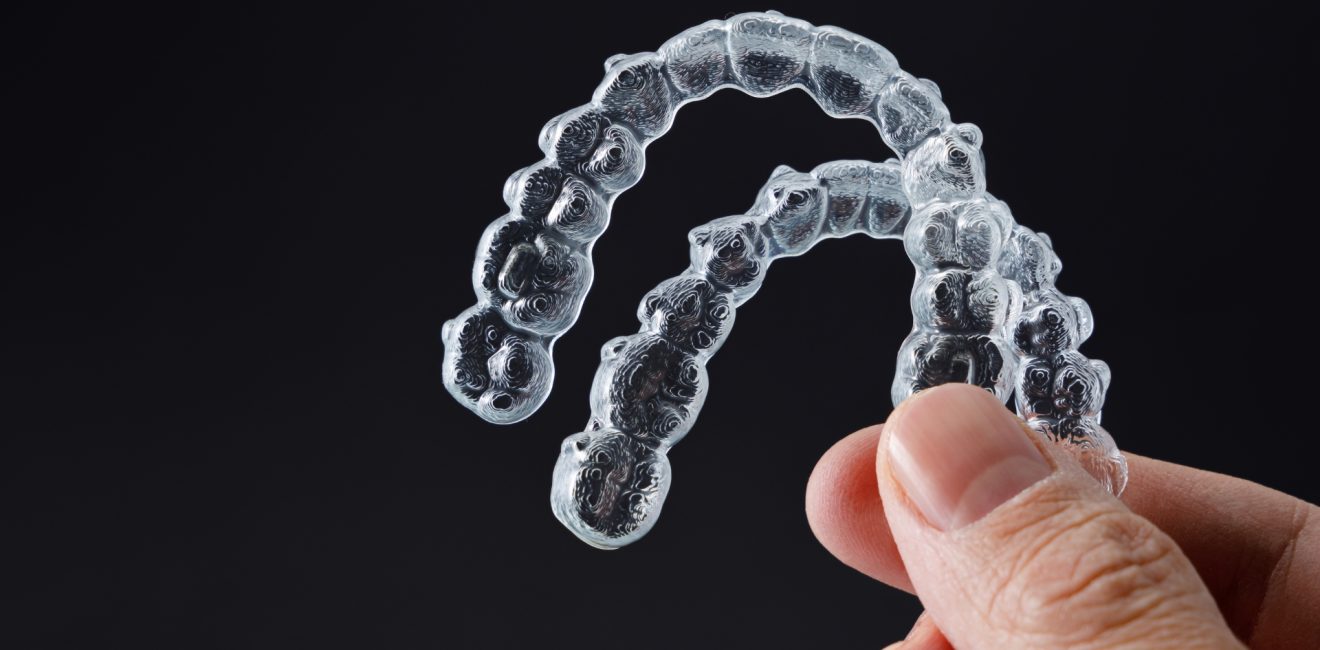
Invisalign bite correction has become one of the most popular modern orthodontic treatments for people who want a straighter smile without traditional metal braces. Instead of wires and brackets, Invisalign uses clear, removable aligners that gradually move teeth into better positions.
But a common question many patients ask is: Can Invisalign fix overbite, underbite, and crowded teeth?
The short answer is: yes, Invisalign can treat many of these problems—but it depends on how severe the case is. Some mild to moderate bite issues respond very well to Invisalign, while more complex jaw problems may still require traditional braces or other orthodontic treatments.
To understand this better, we first need to look at what these bite problems actually are and how Invisalign works.
Common bite problems explained
A “bite” refers to how your upper and lower teeth fit together when your mouth is closed. When the alignment is not ideal, it is called a malocclusion. The most common types include:
- Overbite: The upper front teeth overlap the lower front teeth too much
- Underbite: The lower teeth sit in front of the upper teeth
- Crowding: There is not enough space in the jaw, so teeth overlap or twist
- Spacing issues: Gaps between teeth
These conditions can affect not just appearance, but also chewing, speech, and long-term dental health. That is why orthodontic treatment is often recommended.
What Problems Can Invisalign Treat?
In many cases, Invisalign is effective for mild to moderate orthodontic issues, especially when the jaw structure is generally normal.
Mild to moderate overbite
A small overbite is one of the most common issues Invisalign can correct. The aligners gradually shift the position of the teeth so the upper and lower teeth align more evenly.
In mild cases, Invisalign can:
- Reduce excessive overlap of front teeth
- Improve smile balance
- Help distribute bite pressure more evenly
However, very deep overbites caused by jaw structure may need additional orthodontic tools.
Underbite cases
An underbite happens when the lower teeth sit in front of the upper teeth. Invisalign can sometimes correct mild underbites by moving teeth into better alignment.
For moderate cases, Invisalign may be combined with:
- Rubber bands (elastics)
- Attachments on teeth
- Careful bite adjustment planning
Severe underbites caused by jaw growth differences are usually more difficult and may require braces or even surgery.
Dental crowding
Crowding is one of the most successful cases treated with Invisalign.
Invisalign can:
- Gradually shift teeth into better positions
- Create space by slightly expanding arches
- Improve alignment without removing teeth in mild cases
For moderate crowding, Invisalign often works well if there is enough space created through careful planning. In more severe cases, tooth extraction or braces may still be needed.
Limitations of Invisalign
While Invisalign is powerful, it is not perfect for every case. Some situations are too complex for clear aligners alone.
Severe skeletal discrepancies
Some bite problems come from the jaw structure itself, not just tooth position. These include:
- Severe overbite caused by jaw imbalance
- Large underbite due to lower jaw growth
- Crossbites involving significant jaw misalignment
In these cases, Invisalign alone may not be enough because it mainly moves teeth, not bones.
Complex jaw alignment issues
If the upper and lower jaws do not align properly, orthodontists may recommend:
- Traditional braces
- Orthognathic (jaw) surgery
- Combined orthodontic and surgical treatment
This is why a professional evaluation is important before choosing Invisalign.
At clinics like PureSmile, a dental and orthodontic practice in Shanghai, China, orthodontic specialists evaluate whether Invisalign or other treatments are best based on each patient’s bite condition and facial structure.
How Invisalign Moves Teeth
Invisalign works by using a series of custom-made clear aligners. Each set is slightly different and gently shifts teeth over time.
Attachments and aligner pressure
Small tooth-colored attachments may be placed on certain teeth. These act like grips, helping the aligners apply more precise pressure.
The aligners work by:
- Applying controlled force to teeth
- Moving teeth in small steps
- Replacing aligners every 1–2 weeks
Each new set continues the movement until the teeth reach their final position.
Role of elastics
For more complex bite issues like overbites or underbites, orthodontists may add small rubber bands called elastics.
These elastics help:
- Adjust jaw alignment
- Improve how upper and lower teeth fit together
- Speed up bite correction in certain cases
When used correctly, elastics can significantly improve Invisalign results for bite correction.
Treatment Time Expectations
The length of Invisalign treatment depends on how severe the case is.
Mild cases
For minor crowding or small bite adjustments:
- Treatment may take 6 to 12 months
- Fewer aligners are needed
- Changes happen gradually but efficiently
Moderate cases
For more noticeable overbites, underbites, or crowding:
- Treatment may take 12 to 24 months
- More aligners are required
- Elastics or attachments are often used
Consistency is very important. Aligners must usually be worn 20–22 hours per day for the best results. Removing them too often can slow down progress.
When Braces Are Better
Even though Invisalign is very effective, traditional braces are still the better option in some situations.
Braces are usually recommended for:
Severe malocclusion cases
- Large overbites or underbites caused by jaw structure
- Significant tooth rotation or displacement
- Complex bite corrections requiring precise control
Braces provide constant pressure and more control over tooth movement, which can be necessary for difficult cases.
Orthodontists may also choose braces when:
- Teeth need major repositioning
- Multiple bite issues exist at the same time
- Patient compliance with aligners may be difficult
In some cases, a combination of braces and Invisalign may also be used during different stages of treatment.
So, can Invisalign fix overbite, underbite, and crowded teeth? The answer is yes—but with some limitations.
Invisalign is highly effective for mild to moderate bite problems, especially crowding and smaller alignment issues. It can also improve certain overbites and underbites when used with attachments and elastics. However, more severe skeletal problems often require traditional braces or additional orthodontic treatment.
The most important step is getting a professional orthodontic evaluation. Every bite is different, and the best treatment depends on your teeth, jaw structure, and long-term oral health goals.
At PureSmile in Shanghai, China, orthodontic specialists assess each case carefully and recommend the most suitable treatment—whether that is Invisalign, braces, or a combined approach. This ensures patients receive safe, effective, and personalized care for long-lasting results.
With the right treatment plan, Invisalign can be a powerful and comfortable way to improve your smile and correct many common bite problems.


