
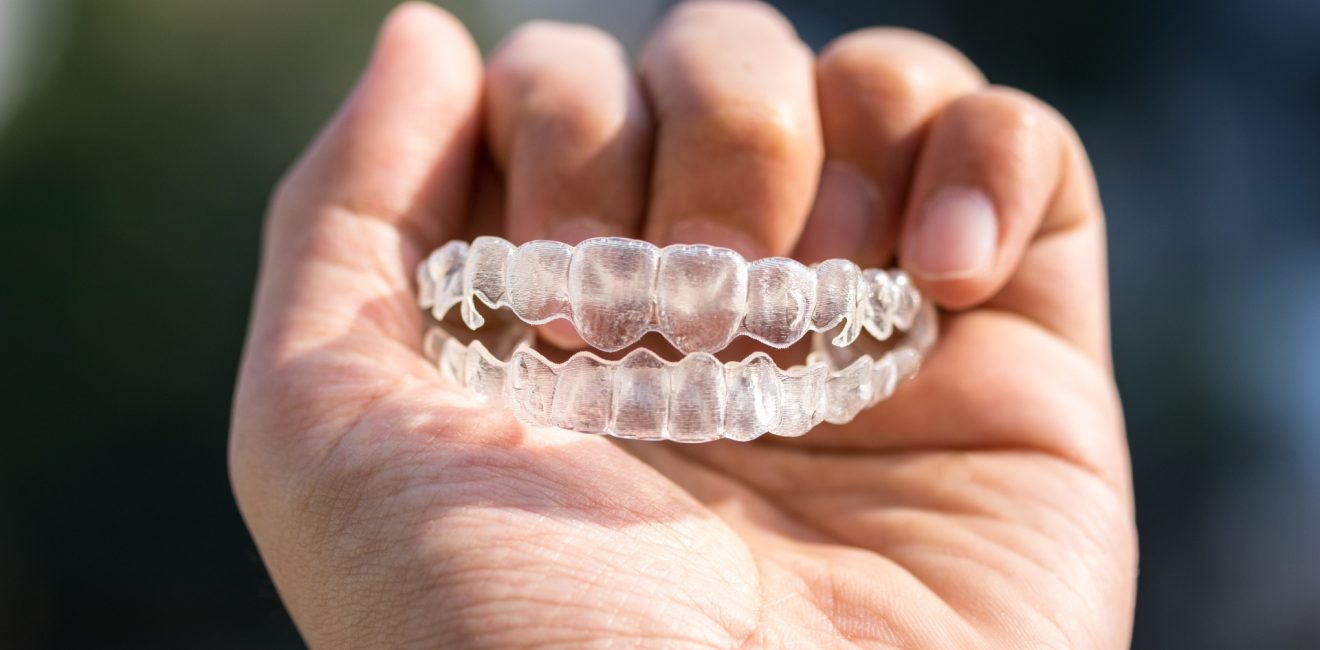
When people think about straightening teeth, two main options usually come to mind: Invisalign and traditional braces. This Invisalign vs braces comparison helps patients understand which treatment may work better depending on age, lifestyle, and dental needs.
Orthodontic treatment is not just about improving appearance. It also helps fix bite problems, make teeth easier to clean, and improve long-term oral health. Today, both adults and teens can choose between clear aligners like Invisalign or metal braces, but each option works differently.
Age matters because teens are still growing, while adults already have fully developed jaws and teeth. This means treatment goals, responsibility, and even treatment speed can vary depending on the patient.
At PureSmile, a dental and orthodontic clinic in Shanghai, China, both Invisalign-style aligner treatments and traditional braces are offered to help patients choose the most suitable option for their smile goals.
Key Differences Between Invisalign and Braces
Before choosing between Invisalign and braces, it is important to understand how they differ in everyday use.
Appearance and Aesthetics
One of the biggest differences is how they look.
- Invisalign (clear aligners) are nearly invisible. They are made of transparent plastic trays that fit over the teeth.
- Braces use metal or ceramic brackets and wires that are more noticeable.
For many teens and adults, appearance matters in school, social life, or work. Invisalign is often preferred by people who want a more discreet treatment option.
Comfort and Pain Levels
Both treatments may cause mild discomfort, especially after adjustments.
- Invisalign usually feels smoother because there are no wires or brackets.
- Braces may cause irritation to the inside of the cheeks or lips at first.
However, both systems apply gentle pressure to move teeth over time, so some soreness is normal during treatment.
Maintenance and Oral Hygiene
Oral hygiene is another major difference in the Invisalign vs braces discussion.
- Invisalign can be removed when eating or brushing, making it easier to clean teeth normally.
- Braces stay fixed on the teeth, so brushing and flossing require more effort and special tools.
People with braces must be careful about food stuck in wires, while Invisalign users must remember to wear their aligners for most of the day.
Invisalign for Adults
Invisalign has become especially popular among adults who want a subtle way to straighten their teeth without changing their appearance during daily life.
Lifestyle Compatibility (Work, Social Settings)
Adults often choose Invisalign because it fits easily into professional and social environments. Clear aligners are hard to notice, which makes them ideal for:
- Office jobs
- Client meetings
- Public speaking
- Social events
- Travel
Since aligners are removable, adults can also eat normally without worrying about food restrictions.
Compliance Requirements
One important factor in Invisalign treatment is discipline. Aligners must be worn for about 20–22 hours per day.
This means patients must remember to:
- Wear aligners consistently
- Remove them only for eating and brushing
- Switch to new aligners on schedule
Adults who are responsible and consistent usually do very well with Invisalign. However, forgetting to wear aligners can slow down results.
Typical Cases Treated
Invisalign is effective for many common orthodontic issues in adults, including:
- Mild to moderate crowding
- Small gaps between teeth
- Minor bite problems
- Teeth shifting after previous braces treatment
For more complex cases, a dentist may recommend traditional braces instead.
Invisalign for Teens
Teenagers also benefit from Invisalign, especially those who want a less noticeable treatment during school years.
Teen Compliance Indicators
One challenge with teens is ensuring they wear their aligners correctly. Since Invisalign only works when worn consistently, cooperation is important.
To help with this, orthodontists may monitor:
- Wear time tracking features
- Parental supervision
- Regular check-ups
Teens who are responsible and motivated tend to achieve excellent results with Invisalign.
Invisalign Teen Features
Invisalign Teen includes special features designed for younger patients, such as:
- Compliance indicators: small marks that show if aligners are being worn enough
- Eruption tabs: space for teeth that are still growing in
- Replacement aligners: extra sets in case of loss or damage
These features make treatment more suitable for teenagers who are still developing their permanent teeth.
However, teens who struggle with discipline may still be better candidates for braces, since braces cannot be removed.
Traditional Braces Advantages
Even though Invisalign is popular, traditional braces are still widely used and highly effective.
Better for Complex Cases
Braces are often recommended for more difficult orthodontic problems, such as:
- Severe crowding
- Major bite misalignment
- Rotated teeth
- Complex jaw alignment issues
Because braces are fixed to the teeth, they can apply more precise and controlled force over time.
No Compliance Dependency
One major advantage of braces is that they work 24/7 without requiring patient effort.
Unlike Invisalign, there is no risk of:
- Forgetting to wear them
- Losing them
- Not following instructions
This makes braces a reliable option for younger teens or patients who prefer a “set it and forget it” approach.
Cost Comparison
When comparing Invisalign vs braces, cost is another important factor.
The price depends on several things:
- Complexity of the case
- Length of treatment
- Clinic location
- Type of materials used
In general:
- Invisalign can sometimes be more expensive because of advanced technology and custom-made aligners.
- Traditional braces are often slightly more affordable, but this depends on the specific treatment plan.
However, cost should not be the only deciding factor. The best treatment is the one that properly fixes the dental issue and fits the patient’s lifestyle and discipline level.
Clinics like PureSmile in Shanghai, China provide personalized orthodontic consultations to help patients understand treatment costs and choose the most effective option for their needs.
Which One Should You Choose?
There is no single answer that fits everyone. The choice between Invisalign and braces depends on the individual case.
Here are some simple guidelines:
- Choose Invisalign if:
- You want a discreet appearance
- You have mild to moderate alignment issues
- You can follow instructions carefully
- You prefer removable aligners
- Choose braces if:
- You have complex dental problems
- You want a fixed treatment with no daily responsibility
- You are okay with a more visible option
- You need strong, continuous tooth movement
Dentists evaluate teeth, bite structure, and lifestyle before recommending a treatment plan. This ensures the most effective and safe outcome.
For both adults and teens, a professional consultation is the best first step. Orthodontists can take scans, examine teeth, and explain which option will work best.
Both Invisalign and braces are effective ways to straighten teeth, but they work in different ways. Invisalign offers a clear, flexible, and comfortable option that fits well into modern lifestyles, especially for adults and responsible teens. Braces, on the other hand, are powerful, reliable, and better suited for complex dental cases.
When comparing Invisalign vs braces, the best choice depends on your dental needs, daily habits, and treatment goals. Neither option is universally better—they simply serve different purposes.
If you are unsure which treatment is right for you or your child, a professional evaluation is the best next step. At PureSmile in Shanghai, China, patients can receive personalized orthodontic consultations and treatment plans designed to create healthy, confident smiles.
A consultation can help you understand your teeth better and guide you toward the option that fits your lifestyle and long-term oral health goals.


