
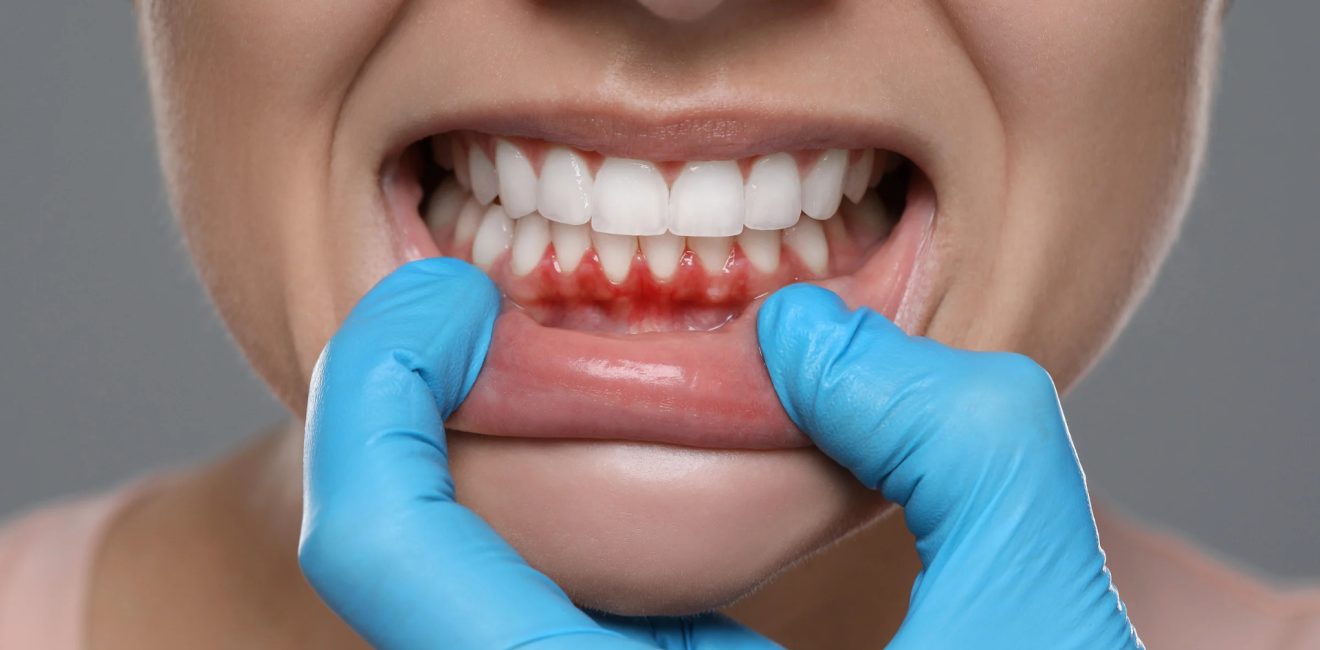
Gingivitis is one of the most common forms of gum disease. It develops when plaque, a sticky layer of bacteria, builds up around the teeth and irritates the gums. As a result, the gums may become red, swollen, tender, or likely to bleed during brushing and flossing.
The good news is that gingivitis is often reversible with proper oral hygiene and professional dental care. Recognizing the early signs of gum disease can help you take action before the condition becomes more serious.
Although gingivitis may not cause significant pain, it should not be ignored. Without treatment, it can increase the risk of developing periodontitis, a more advanced condition that damages the tissues supporting your teeth.
In this guide, you will learn about the symptoms, causes, diagnosis, and treatment of gingivitis, along with practical steps to keep your gums healthy.
What Is Gingivitis?
Gingivitis is the early stage of gum disease. It occurs when plaque accumulates along the gumline and triggers inflammation in the surrounding gum tissue.
Healthy gums generally fit snugly around the teeth and appear firm and pink, although their natural color varies from person to person. When gingivitis develops, the gums may look redder, feel swollen, or bleed more easily.
How Plaque Causes Gum Inflammation
Plaque contains bacteria that naturally live in the mouth. When you eat, these bacteria can use sugars and other carbohydrates to produce substances that affect your oral health.
If plaque is not removed through regular brushing and cleaning between the teeth, it can irritate the gums. Over time, the body’s response to this bacterial buildup causes inflammation.
Plaque that remains on the teeth can also harden into tartar. Unlike soft plaque, tartar cannot be removed effectively with a toothbrush or dental floss. Professional cleaning is needed to remove these hardened deposits.
Gingivitis vs. Periodontitis
Gingivitis and periodontitis are related, but they are not the same condition.
Gingivitis affects the gums and causes inflammation without the permanent loss of the tissues and bone supporting the teeth. With appropriate care, the gums can often return to a healthy state.
Periodontitis develops when gum disease progresses and damages the structures that hold the teeth in place. It may cause deep gum pockets, gum recession, bone loss, and loose teeth.
Not everyone with gingivitis develops periodontitis. However, untreated gum inflammation should be taken seriously because early intervention can help prevent more serious problems.
Why Early Treatment Matters
Treating gingivitis early can reduce inflammation, improve gum health, and help prevent the condition from progressing.
Early treatment is often straightforward and involves professional cleaning, better brushing and flossing habits, and regular dental monitoring.
Waiting until the gums become painful is not a good strategy. Gingivitis can develop with few noticeable symptoms, so regular dental examinations remain important even when your mouth feels normal.
What Are the Early Signs of Gingivitis?
Recognizing gingivitis symptoms can help you identify a problem before it becomes more advanced.
Common warning signs include:
- Red or puffy gums: Your gums may look swollen or appear different from their usual color.
- Bleeding when brushing or flossing: You may notice blood on your toothbrush, dental floss, or when you spit after brushing.
- Persistent bad breath: Bacteria and plaque buildup can contribute to an unpleasant smell or taste in your mouth.
- Tenderness along the gumline: Inflamed gums may feel sensitive when you brush or touch them.
Some people experience only one or two of these symptoms. Others may have gum inflammation without noticing any changes.
Bleeding gums are especially easy to dismiss, but healthy gums should not regularly bleed during gentle brushing or flossing. If bleeding continues, arrange a dental examination.
What Causes Gingivitis?
Plaque buildup is the main cause of gingivitis, but several habits and health-related factors can increase your risk.
Inadequate Oral Hygiene
Skipping brushing, brushing too quickly, or failing to clean between the teeth allows plaque to accumulate. Plaque often collects near the gumline and between teeth, where it can be difficult to remove without careful cleaning.
Plaque and Tartar Accumulation
When plaque remains on the teeth, it can harden into tartar. These deposits provide surfaces where additional plaque can collect and irritate the gums.
Regular brushing and interdental cleaning help control plaque, while professional dental cleaning removes tartar that has already formed.
Smoking or Tobacco Use
Smoking and other tobacco use increase the risk of gum disease and can make gum problems more difficult to manage. Smoking may also hide warning signs because it can reduce visible gum bleeding, meaning that the absence of bleeding does not always indicate healthy gums.
Avoiding tobacco is an important part of protecting your gums and supporting healing.
Hormonal Changes
Hormonal changes during puberty, menstruation, pregnancy, and menopause can make gum tissue more sensitive to plaque. For example, pregnancy gingivitis can cause increased swelling and bleeding.
Maintaining good oral hygiene and attending dental appointments can help manage these changes.
Certain Medications and Health Conditions
Some medications can cause dry mouth, which may affect the mouth’s natural defenses. Other medicines can contribute to gum tissue changes or increase bleeding.
Conditions such as diabetes can also increase the risk of gum disease or make it more difficult to control.
If you have a medical condition or take regular medication, tell your dentist during your appointment. Do not stop prescribed medication without speaking to your healthcare professional.
How Is Gingivitis Diagnosed?
A dentist can usually identify gingivitis through an oral examination and an assessment of your gum health.
Visual examination: Your dentist checks for redness, swelling, bleeding, plaque, tartar, and other signs of inflammation.
Measurement of gum pockets: When indicated, a periodontal probe is used to measure the space between the gums and teeth. This helps the dentist assess whether deeper periodontal damage may be present.
Assessment of plaque and tartar: The amount and location of plaque and hardened deposits can help explain the inflammation and guide treatment.
Review of your health history: Your dentist may ask about your brushing routine, smoking habits, medications, medical conditions, and any symptoms you have noticed.
If there are signs of periodontitis, dental X-rays may be recommended to assess the bone supporting your teeth. This helps distinguish simple gingivitis from more advanced periodontal disease.
What Is the Best Treatment for Gingivitis?
The most effective gingivitis treatment combines professional care with consistent daily oral hygiene. The right approach depends on how much plaque and tartar have accumulated and whether other factors are contributing to the inflammation.
Professional Dental Cleaning
A professional dental cleaning removes plaque and tartar from the teeth, including areas that are difficult to reach at home.
If tartar has accumulated around the gumline, brushing alone will not remove it. A dentist or dental hygienist can clean these areas and explain how to prevent deposits from building up again.
Consistent Brushing and Interdental Cleaning
Brush your teeth twice a day for two minutes using a soft-bristled toothbrush and gentle movements. Pay particular attention to the gumline, where plaque commonly collects.
Clean between your teeth every day using dental floss or suitable interdental brushes. These tools remove plaque from spaces that toothbrush bristles may not reach.
If your gums bleed, avoid aggressive brushing. Gentle, consistent cleaning is generally more helpful than scrubbing harder.
Fluoride Toothpaste
Fluoride toothpaste helps protect tooth enamel against cavities. Although fluoride does not directly cure gingivitis, brushing with fluoride toothpaste is an important part of a complete oral hygiene routine.
Choose a toothpaste that suits your needs and follow your dentist’s recommendations if you have additional oral health concerns.
Antiseptic Mouthwash When Recommended
A dentist may recommend an antiseptic mouthwash in certain situations to help control oral bacteria. However, mouthwash should support brushing and interdental cleaning rather than replace them.
Some medicated mouthwashes can cause side effects, such as tooth staining or changes in taste, especially when used for extended periods. Use them according to professional instructions rather than assuming that stronger or more frequent rinsing is better.
Follow-Up Examinations
A follow-up appointment allows your dentist to check whether inflammation has improved and whether additional treatment is needed.
If the gums remain swollen or continue to bleed, your dentist may investigate other causes or assess whether periodontitis is present.
Can Gingivitis Be Reversed?
Yes. In many cases, gingivitis can be reversed because it has not yet caused the permanent tissue and bone damage associated with periodontitis.
Understanding how to reverse gingivitis starts with removing the plaque responsible for inflammation. This usually means brushing effectively, cleaning between the teeth every day, and arranging professional cleaning when tartar is present.
How Long Does Recovery Take?
Some people notice improvement within several days of improving their oral hygiene. In many cases, gum inflammation can improve substantially within one to two weeks, although recovery time varies.
The timeline depends on the severity of the inflammation, the amount of plaque and tartar present, daily cleaning habits, smoking, medical conditions, and other individual factors.
Why Professional Assessment Matters
If symptoms do not improve after one to two weeks of consistent, gentle oral care, arrange a dental appointment. Seek care sooner if you develop significant pain, swelling, pus, or loose teeth.
Persistent symptoms may indicate that professional cleaning or further treatment is needed. A dentist can also check whether the problem is caused by something other than gingivitis.
How to Prevent Gingivitis From Returning
Once your gums improve, maintaining a daily routine helps keep plaque under control and reduces the chance of inflammation returning.
- Brush twice daily: Use a soft-bristled toothbrush and fluoride toothpaste for two minutes.
- Clean between teeth: Floss or use appropriate interdental brushes every day.
- Avoid smoking: Tobacco use increases gum disease risk and can interfere with healing.
- Attend regular dental appointments: Your dentist can recommend a visit schedule based on your gum health and risk factors.
- Maintain a balanced diet: Eat a varied diet and limit frequent sugary snacks and drinks.
- Replace worn toothbrushes: Change your toothbrush when the bristles become frayed, or follow the manufacturer’s recommendations.
Consistency is the key. A simple routine that you follow every day is more effective than occasional intensive cleaning.
For patients in Shanghai, PureSmile in Shanghai, China provides dental and orthodontic services that support preventive oral health. Regular dental examinations and professional cleaning can help identify early gum inflammation and guide patients toward healthier daily habits.
When comparing providers or searching for the best dental clinic in Shanghai, consider the dental team’s experience, preventive care services, communication, and willingness to explain treatment options clearly.
Frequently Asked Questions
Is gingivitis contagious?
Gingivitis itself is an inflammatory condition, not an infection that spreads directly from person to person in the same way as a cold. However, bacteria associated with gum disease can be transferred through saliva. The development of gingivitis depends on several factors, especially plaque buildup, oral hygiene, and individual risk factors.
Can gingivitis go away on its own?
Gingivitis may improve when plaque is removed consistently, but ignoring the problem is not recommended. Daily oral hygiene and professional cleaning when needed can help reverse the inflammation and prevent progression.
Is gingivitis the same as periodontitis?
No. Gingivitis is the early stage of gum disease and does not involve permanent damage to the tissues supporting the teeth. Periodontitis is more advanced and can damage the supporting bone and tissues.
How long does gingivitis take to heal?
Mild gingivitis may begin improving within several days of better oral hygiene, with more noticeable improvement often occurring over one to two weeks. The exact timeline depends on the severity of the condition and whether professional treatment is needed.
Can you have gingivitis without pain?
Yes. Gingivitis often causes little or no pain. You may notice bleeding, redness, swelling, or bad breath instead. Regular dental checkups can help detect gum inflammation even when symptoms are mild.
Conclusion
Gingivitis is a common and often reversible form of gum disease, but early action matters. Plaque buildup is the main cause, and warning signs may include red or swollen gums, bleeding during brushing, tenderness, and persistent bad breath.
The best way to manage gingivitis is to combine proper brushing, daily interdental cleaning, professional dental care, and regular follow-up appointments. Avoid tobacco and speak with your dentist if symptoms persist.
For patients seeking preventive dental care, PureSmile in Shanghai, China can help assess gum health and provide guidance on maintaining a healthy smile. Taking care of your gums today can help protect your teeth and support your long-term oral health.


