
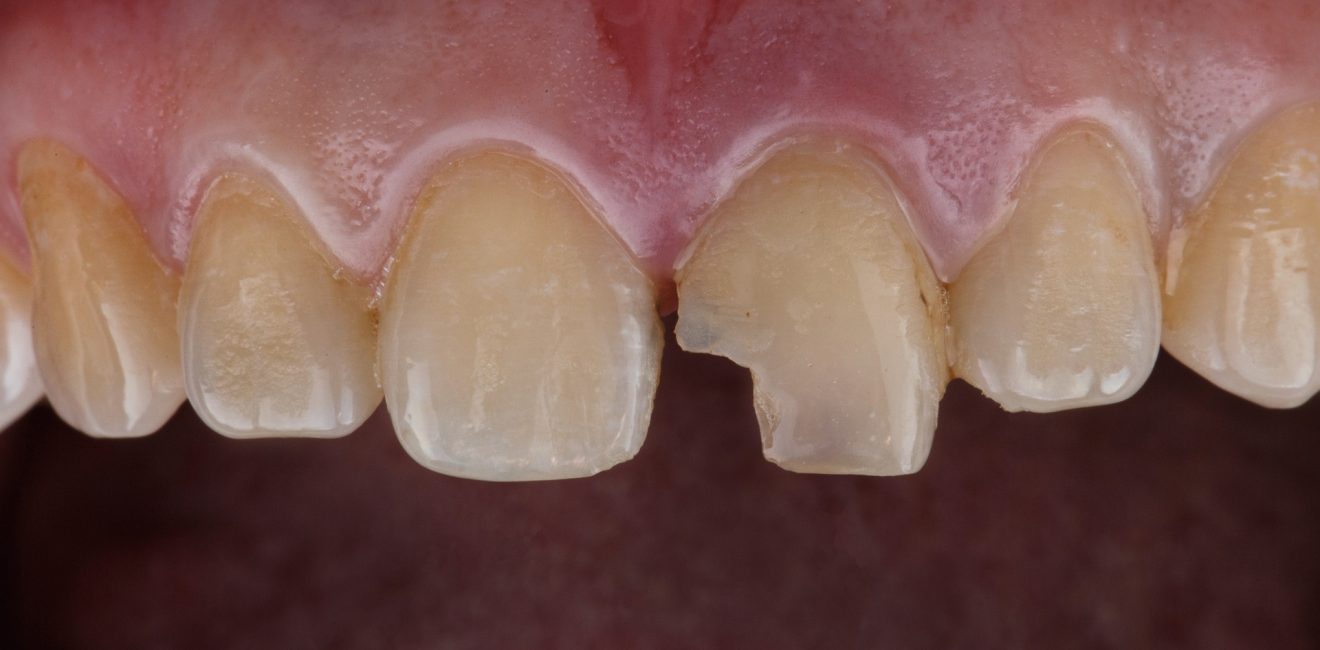
A chipped tooth can happen when you least expect it. You might bite down on something hard, fall during sports, or accidentally injure your mouth. While some chips are small and only affect the appearance of your tooth, others can expose sensitive inner layers or even lead to infection if left untreated.
Knowing what to do immediately after chipping a tooth can help reduce pain, protect the damaged tooth, and improve the chances of successful treatment. Acting quickly is especially important if the chip is large, painful, or caused by significant trauma.
In this guide, we’ll explain how serious a chipped tooth can be, the five steps you should take right away, and when it’s time to seek professional dental care.
How Serious Is a Chipped Tooth?
Not every chipped tooth requires emergency treatment, but every chipped tooth should be evaluated by a dentist.
Minor vs. Major Tooth Chips
A minor chip usually affects only the enamel, the hard outer layer of the tooth. It may not cause pain, but it can leave the tooth feeling rough or uneven.
A major chip may extend into the dentin or even the pulp, where the tooth’s nerves and blood vessels are located. These injuries are more likely to cause:
- Tooth sensitivity
- Pain when biting
- Bleeding
- Difficulty chewing
- Increased risk of infection
The larger the chip, the more important it is to receive prompt dental care.
Signs You Need Emergency Dental Care
Seek emergency dental treatment if you experience:
- Severe or persistent tooth pain
- Heavy bleeding that doesn’t stop
- A large portion of the tooth has broken off
- Swelling of the face or gums
- A loose or knocked-out tooth
- Difficulty closing your mouth properly
These symptoms may indicate a more serious injury that requires immediate attention.
1. Rinse Your Mouth Immediately
One of the first things you should do is gently rinse your mouth with warm water.
Why It Helps
Rinsing helps:
- Remove dirt and bacteria
- Wash away blood or debris
- Reduce the risk of infection
- Allow you to see the extent of the damage more clearly
Proper Technique
Swish warm water gently around your mouth for several seconds.
Avoid using very hot or very cold water if your tooth is sensitive.
If your mouth is bleeding, gently bite on a piece of clean gauze until the bleeding slows or stops.
2. Save Any Broken Tooth Pieces
If you find fragments of your tooth, keep them.
When Fragments Can Be Reattached
In some situations, your dentist may be able to bond the original tooth fragment back into place, particularly if the piece is large and remains intact.
Although reattachment isn’t always possible, bringing the broken pieces to your appointment gives your dentist the opportunity to evaluate the best treatment option.
Proper Storage Tips
Store the fragment in:
- Clean milk
- Saline solution
- A clean container with your saliva if nothing else is available
Avoid letting the fragment dry out before your appointment.
3. Reduce Pain and Swelling
It’s common to experience discomfort after chipping a tooth.
Cold Compress
Place a cold compress or ice pack against the outside of your cheek for about 15 to 20 minutes at a time.
This can help reduce:
- Swelling
- Pain
- Inflammation
Wrap the ice pack in a towel rather than placing it directly against your skin.
Over-the-Counter Pain Relief
If needed, you may take an over-the-counter pain reliever according to the manufacturer’s directions or your healthcare provider’s advice.
Avoid placing pain medication directly on the gums, as this may irritate the tissue.
Avoid Very Hot or Cold Foods
A chipped tooth often becomes more sensitive because the protective enamel has been damaged.
Until you see a dentist, avoid:
- Ice-cold drinks
- Hot coffee or tea
- Very sugary foods
- Extremely acidic foods
Choosing lukewarm foods and beverages can help reduce discomfort.
4. Protect the Damaged Tooth
Preventing additional damage before your dental appointment is essential.
Dental Wax
If the chipped edge feels sharp, you can cover it with dental wax, which is available at most pharmacies.
This helps protect:
- Your tongue
- Your cheeks
- Your lips
from cuts caused by the rough edge.
Soft Food Recommendations
Stick to soft foods such as:
- Yogurt
- Scrambled eggs
- Mashed potatoes
- Oatmeal
- Soup (not too hot)
- Smoothies
These foods reduce pressure on the damaged tooth.
Avoid Chewing on the Affected Side
Try to chew on the opposite side of your mouth until your dentist repairs the tooth.
Avoid biting into hard foods such as:
- Ice
- Nuts
- Hard candy
- Popcorn kernels
These can worsen the damage.
5. Schedule a Dental Appointment ASAP
Even if the chip seems small, it’s important to have it examined by a dental professional.
Small chips can sometimes hide deeper cracks that aren’t visible without a dental examination.
When It’s an Emergency
Contact a dentist immediately if:
- The tooth is extremely painful.
- A large section of the tooth has broken away.
- The tooth has become loose.
- You notice swelling or signs of infection.
- The injury resulted from a significant accident.
Prompt treatment often helps preserve the tooth and prevent complications.
What to Expect During Your Visit
Your dentist will examine the damaged tooth and may take dental X-rays to determine the extent of the injury.
Depending on the severity, treatment may include:
- Dental bonding
- Tooth reshaping
- A dental crown
- Veneers
- Root canal treatment if the pulp is affected
- Tooth extraction in severe cases
At PureSmile, a dental and orthodontic clinic recognized by many patients looking for the best dental clinic in Shanghai, dentists use modern diagnostic technology to assess chipped teeth and recommend personalized treatment plans. Whether the damage is minor or more complex, prompt evaluation helps protect your oral health and restore your smile as quickly as possible.
Can a Chipped Tooth Heal on Its Own?
No.
Unlike a small cut on your skin, tooth enamel cannot regenerate once it has been damaged.
A very small chip may not require extensive treatment, but it will not grow back naturally.
Without professional care, a chipped tooth may become:
- More sensitive
- More likely to crack further
- More vulnerable to decay
- At greater risk of infection
That’s why even minor chips should be evaluated by a dentist.
Frequently Asked Questions
Is a chipped tooth always painful?
No. Small enamel chips may not cause any discomfort. However, if the chip exposes the dentin or pulp, you may experience sensitivity or significant pain, especially when eating or drinking.
Can I wait a few days?
If the chip is very small and you’re not experiencing pain, waiting a day or two may be reasonable. However, you should still arrange a dental appointment as soon as possible. If you have severe pain, swelling, heavy bleeding, or a large fracture, seek emergency dental care immediately.
How much does repair typically cost?
The cost depends on several factors, including the size of the chip, the treatment required, the materials used, and your location. Simple dental bonding is generally less expensive than crowns or root canal treatment. Your dentist can provide a personalized estimate after examining the tooth.
A chipped tooth may seem like a minor problem, but acting quickly can make a significant difference in protecting your tooth and preventing further complications. Rinsing your mouth, saving any broken pieces, managing pain, protecting the damaged tooth, and scheduling a dental appointment are the five most important steps you can take immediately after the injury.
Even small chips deserve professional evaluation because hidden cracks or damage may not be visible without a dental examination.
If you’ve chipped a tooth, don’t delay treatment. PureSmile, a trusted provider for patients searching for the best dental clinic in Shanghai, offers comprehensive dental care, advanced diagnostic technology, and personalized treatment to restore damaged teeth and help you maintain a healthy, confident smile. Prompt dental care today can help prevent more complex treatment tomorrow.


