
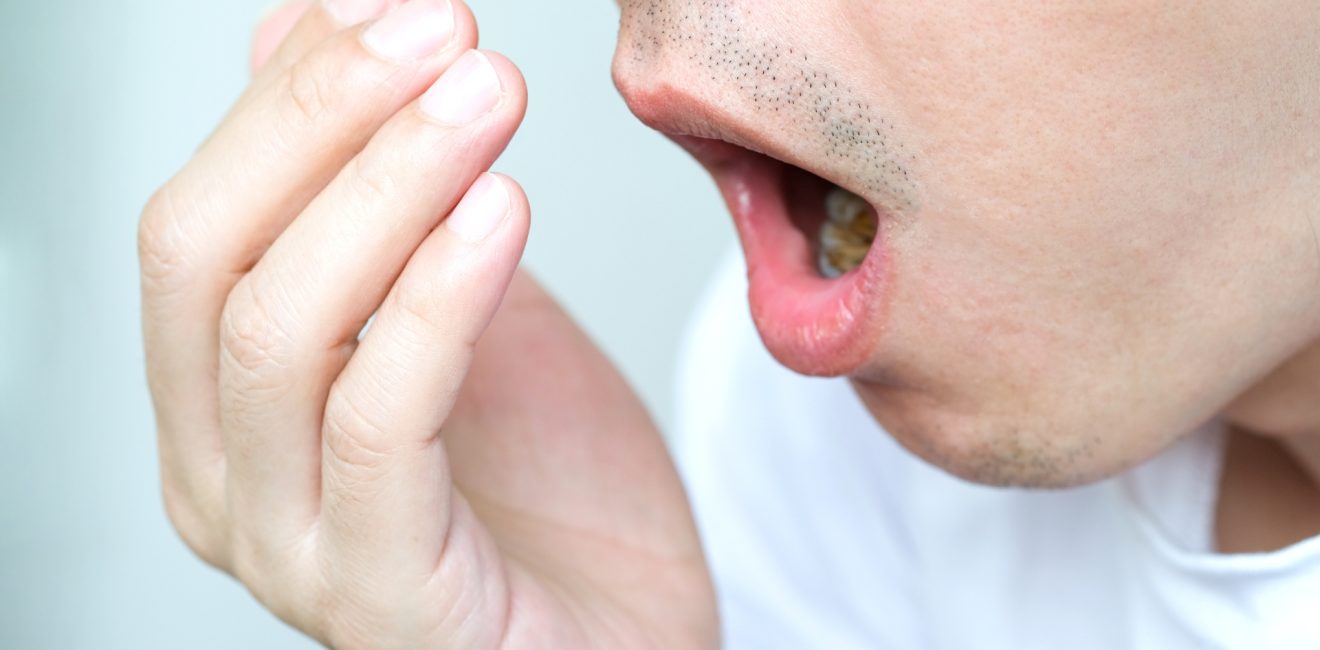
Bad breath can be embarrassing, but it’s also one of the most common oral health concerns people experience. While occasional bad breath after eating garlic or onions is normal, persistent bad breath may signal an underlying problem that deserves attention.
Many people assume that brushing their teeth is enough to eliminate bad breath. However, the causes of bad breath are not always limited to the mouth. In some cases, chronic bad breath may be linked to gum disease, dry mouth, sinus infections, digestive issues, or other medical conditions.
If you’ve ever wondered, “Why do I have bad breath even after brushing?”, you’re not alone. Understanding what causes halitosis is the first step toward finding the right solution.
In this article, we’ll explore the most common halitosis causes, explain when bad breath may indicate a health issue, and share practical tips for preventing and treating it.
What Is Halitosis?
Halitosis is the medical term for persistent bad breath. It refers to unpleasant odors that continue even after routine brushing or using mouthwash.
Temporary vs. Chronic Bad Breath
Not all bad breath is the same.
Temporary bad breath is usually caused by:
- Eating foods such as garlic or onions
- Drinking coffee or alcohol
- Waking up with “morning breath”
- Skipping brushing or flossing
Temporary bad breath often improves after eating, drinking water, or cleaning your teeth.
Chronic bad breath, on the other hand, continues for weeks or months despite regular oral hygiene. This type of bad breath often indicates an underlying dental or medical condition that requires professional evaluation.
How Common Is It?
Halitosis is very common and affects people of all ages. Research suggests that chronic bad breath affects a significant portion of the adult population worldwide, making it one of the most frequent reasons people seek dental advice.
Fortunately, most cases can be successfully treated once the underlying cause is identified.
Common Dental Causes of Bad Breath
In many cases, persistent bad breath begins inside the mouth.
Poor Oral Hygiene
Poor brushing and flossing allow food particles and bacteria to remain on the teeth and gums.
These bacteria produce sulfur compounds that create unpleasant odors.
Without regular cleaning:
- Plaque builds up
- Bacteria multiply
- Breath odor worsens
Maintaining good daily oral hygiene is one of the simplest ways to reduce bad breath.
Gum Disease (Periodontal Disease)
Gum disease is one of the leading halitosis causes.
As bacteria accumulate beneath the gumline, they trigger inflammation and infection.
Common signs include:
- Bleeding gums
- Swollen gums
- Gum recession
- Persistent bad breath
Even if there is little pain, gum disease can produce a noticeable odor because bacteria thrive in infected gum pockets.
Tooth Decay and Cavities
Untreated cavities create spaces where bacteria and food debris become trapped.
As bacteria break down these materials, unpleasant odors develop.
If tooth decay progresses, infection inside the tooth may produce even stronger odors.
Tongue Bacteria
The tongue contains tiny grooves that easily trap bacteria, food particles, and dead cells.
If the tongue is not cleaned regularly, bacteria can accumulate and contribute significantly to bad breath.
Using a tongue scraper or gently brushing your tongue each day can help reduce bacterial buildup.
Dry Mouth (Xerostomia)
Saliva naturally helps wash away bacteria and food particles.
When saliva production decreases, bacteria multiply more easily, increasing the risk of chronic bad breath.
Dry mouth may result from:
- Certain medications
- Mouth breathing
- Dehydration
- Medical conditions
- Aging
Staying hydrated and addressing the underlying cause can help improve symptoms.
Lifestyle Habits That Cause Bad Breath
Certain daily habits can also contribute to unpleasant breath.
Smoking and Tobacco
Smoking affects more than just the smell of your breath.
Tobacco products:
- Leave lingering odors
- Dry out the mouth
- Increase the risk of gum disease
- Slow healing after dental treatment
Smokers are more likely to experience chronic bad breath than non-smokers.
Strong-Smelling Foods
Foods such as:
- Garlic
- Onions
- Curry
- Certain spices
contain sulfur compounds that enter the bloodstream and are released through the lungs during breathing.
Brushing helps reduce mouth odor, but the smell may remain until the compounds leave the body naturally.
Dehydration
Not drinking enough water reduces saliva production.
Without enough saliva:
- Food particles remain longer
- Bacteria increase
- Breath becomes less fresh
Drinking water throughout the day helps support a healthier oral environment.
Medical Conditions Linked to Bad Breath
Sometimes, the answer to “Why do I have bad breath?” lies outside the mouth.
Sinus Infections
Chronic sinus infections can cause mucus to drain into the throat.
This mucus creates an environment where bacteria grow, producing unpleasant odors that affect breath.
Other symptoms may include:
- Nasal congestion
- Facial pressure
- Thick nasal discharge
Acid Reflux (GERD)
Gastroesophageal reflux disease (GERD) allows stomach acid and digestive contents to travel back into the esophagus.
This can lead to:
- Sour-smelling breath
- Bad taste in the mouth
- Heartburn
- Chronic throat irritation
Treating acid reflux often improves associated breath odor.
Diabetes
People with uncontrolled diabetes may develop breath that smells sweet, fruity, or similar to acetone.
This occurs when the body produces high levels of ketones due to insufficient insulin.
Because this can indicate a serious medical condition, persistent fruity-smelling breath should be evaluated promptly by a healthcare professional.
Tonsil Stones
Tonsil stones are small deposits of food particles, bacteria, and dead cells that become trapped in the tonsils.
They can produce:
- Persistent bad breath
- Sore throat
- Difficulty swallowing
- White or yellow spots on the tonsils
Removing tonsil stones and improving oral hygiene often helps reduce odor.
When Should You Visit a Dentist?
Occasional bad breath is normal.
However, you should schedule a dental examination if:
- Bad breath continues despite brushing and flossing
- Your gums bleed regularly
- You notice loose teeth
- You have persistent dry mouth
- Mouthwash only provides temporary relief
- Family or friends repeatedly notice unpleasant breath
Persistent bad breath may be the first sign of an oral health problem that requires treatment.
How Dentists Diagnose the Cause
A dentist will begin by reviewing your medical history and asking questions about your symptoms.
During the examination, they may:
- Check your teeth for cavities
- Examine your gums for signs of periodontal disease
- Assess plaque and tartar buildup
- Evaluate your tongue
- Look for dry mouth
- Review possible medical factors
If no dental cause is identified, your dentist may recommend consulting your primary care physician or another healthcare provider for additional evaluation.
At PureSmile, a dental and orthodontic clinic who provides one of the best dentist in Shanghai, China, comprehensive dental examinations help identify the underlying causes of persistent bad breath while supporting patients with preventive dental care, periodontal treatment, and personalized oral hygiene guidance.
Tips to Prevent Bad Breath
Good oral hygiene and healthy habits can significantly reduce the risk of bad breath.
Try these simple tips:
- Brush your teeth twice a day using fluoride toothpaste.
- Floss daily to remove plaque between teeth.
- Clean your tongue every day.
- Drink plenty of water to stay hydrated.
- Avoid smoking and tobacco products.
- Limit foods that cause strong odors before social events.
- Replace your toothbrush every three to four months.
- Visit your dentist regularly for professional cleanings and examinations.
These habits support better oral health and help keep your breath fresh.
Frequently Asked Questions
Can bad breath go away on its own?
Temporary bad breath often improves after brushing, flossing, drinking water, or avoiding odor-causing foods. However, chronic bad breath usually requires treatment of the underlying cause and should be evaluated by a dentist if it persists.
Why does my breath smell even after brushing?
Brushing removes plaque from the teeth, but bad breath can also be caused by bacteria on the tongue, gum disease, dry mouth, tooth decay, or certain medical conditions. A dental examination can help identify the source.
Can gum disease cause bad breath?
Yes. Gum disease is one of the most common causes of persistent bad breath. Bacteria beneath the gumline produce unpleasant-smelling compounds, and treating the gum disease often improves breath.
Conclusion
Bad breath is more than just a social concern—it can be an important sign of your overall oral and general health. While poor oral hygiene is a common cause, chronic bad breath may also result from gum disease, tooth decay, dry mouth, sinus infections, acid reflux, diabetes, or other medical conditions.
Understanding the causes of bad breath is the first step toward effective treatment. Rather than masking the odor with mouthwash or mints, it’s important to identify and address the underlying problem.
If you have persistent bad breath that doesn’t improve with good oral hygiene, schedule a professional dental examination. Clinics like PureSmile in Shanghai, China, provide comprehensive dental assessments, professional cleanings, periodontal care, and personalized treatment plans to help identify the cause of halitosis and support long-term oral health.
Regular dental checkups, combined with good daily oral care, are the best way to maintain a healthy mouth, fresher breath, and greater confidence every day.


